
Liposuction in Singapore

Overview
Purpose | Removes localised fat deposits that are resistant to diet and exercise to improve body contours and overall proportion. |
Recommended for | Individuals near their ideal body weight with stubborn fat deposits, good skin elasticity and realistic expectations about body contouring. |
Surgery time | Approximately 1–4 hours, depending on the number of treatment areas, the volume of fat removed and whether additional procedures are performed. |
Hospital stay | Usually performed as a day procedure, allowing most patients to return home the same day. An overnight stay may be recommended for larger-volume liposuction or combined procedures. |
Recovery | Most patients resume light daily activities within a few days to 1 week. Swelling and bruising gradually improve over several weeks, with final body contours becoming more apparent over 2–6 months. |
What is liposuction?
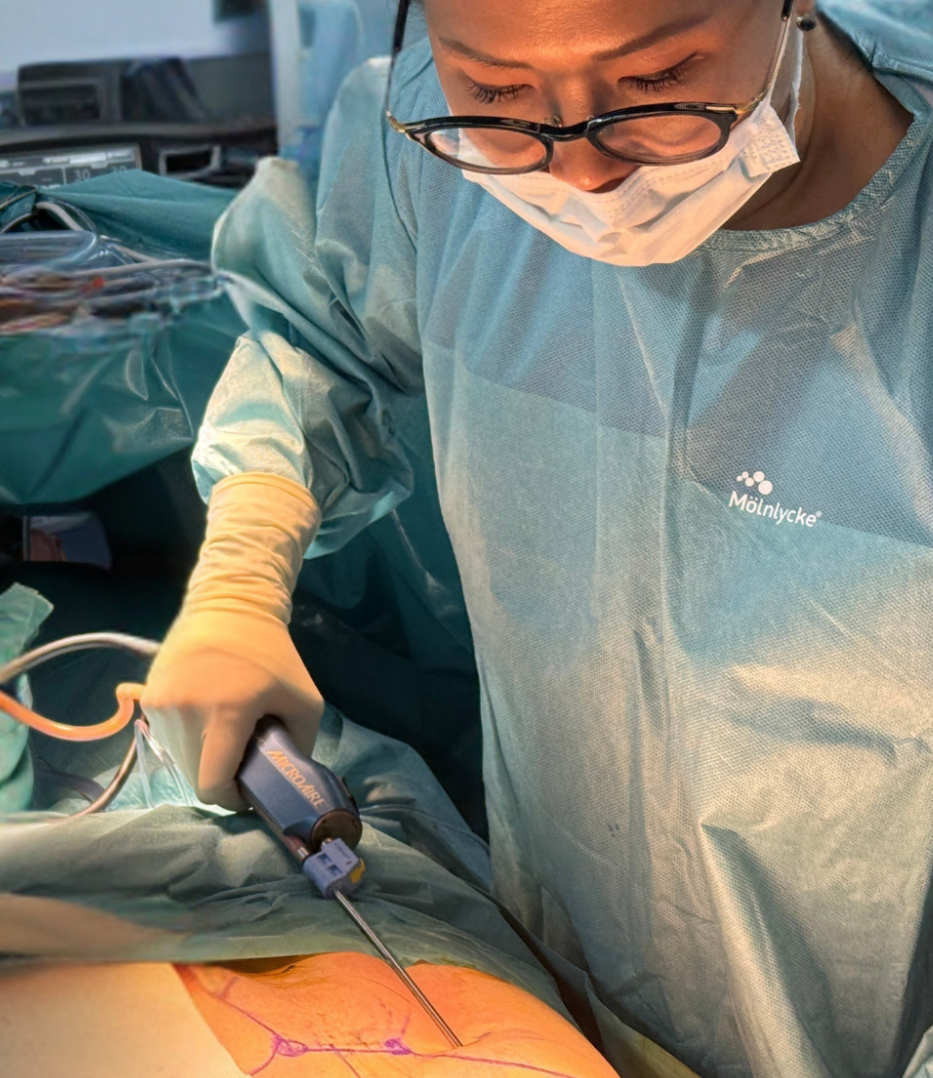
Liposuction is a surgical procedure that removes localised fat deposits resistant to diet and exercise. Rather than serving as a weight-loss procedure, it is performed to refine body contours and improve proportion in specific areas.
During the procedure, fat cells are permanently removed from targeted areas to create a more balanced and defined contour. While these removed fat cells do not regenerate, the remaining fat cells can still enlarge if significant weight is gained.
Instead of creating a completely new body shape, liposuction enhances your natural proportions by reducing stubborn areas of excess fat, resulting in a more sculpted and harmonious appearance.
What are the types of liposuction?
Liposuction can be performed using several techniques, each designed to remove fat while supporting precise body contouring. The most suitable approach depends on factors such as the treatment area, fat characteristics, skin quality and your desired aesthetic outcome.
- Power-Assisted liposuction – This is the most widely performed liposuction technique for safe, precise fat removal. Before sculpting begins, a targeted tumescent solution—combining sterile saline, a local anesthetic, and a vasoconstrictor—is introduced into the treatment area. This specialized fluid minimizes bleeding, enhances patient comfort, and expands the tissue for smoother harvesting. Micro-cannulas powered by gentle mechanical vibration are then used to break down and remove targeted fat with optimal control and consistency.
- VASER liposuction – VASER liposuction uses ultrasound energy to emulsify fat before it is suctioned out. This allows for more precise contouring while helping preserve surrounding connective tissue. It is commonly chosen for areas with denser fat deposits or when greater definition and smoother contouring are desired.
Why is liposuction performed?
The treatment is typically considered when specific areas of fat persist despite stable weight and healthy habits.
Some of the common reasons include:
Contour concerns
- Fat deposits that do not respond to diet and exercise
- Bulges that affect clothing fit or overall body contour
- Areas that appear disproportionately full despite an otherwise lean physique
Body proportion
- An imbalance between different areas of the body
- Enhancing the natural balance and symmetry of the body’s contours
- Achieving a more defined silhouette without significant weight loss
Which areas are commonly treated with liposuction?
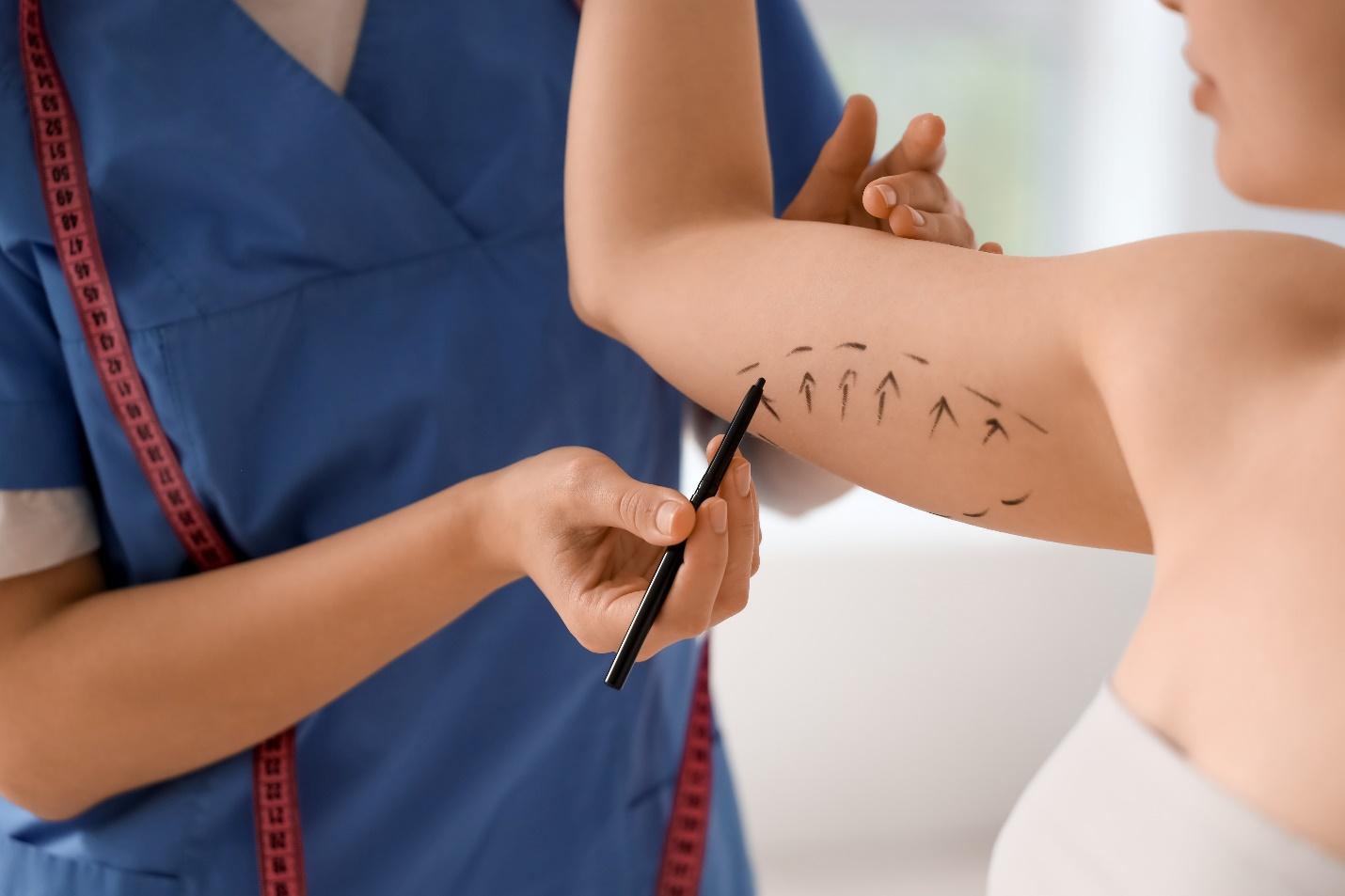
Liposuction can be performed on various areas of the body to reduce localised fat deposits and improve overall body contours. The most commonly treated areas include:
- Abdomen and waist (including love handles)
- Thighs (inner and outer)
- Hips and flanks
- Upper arms
- Back (including bra-line area)
- Chin and neck (submental area)
- Chest (including male chest contouring)
What are the benefits of liposuction?
By permanently removing fat cells from targeted areas, liposuction can achieve contour improvements that are often difficult to accomplish through diet and exercise alone. Benefits include:
- Improved body proportions and overall contour
- Reduction of stubborn fat deposits resistant to lifestyle measures
- Better definition in areas such as the waist, hips, thighs or arms
- Clothing that fits more comfortably and flatteringly
- Long-lasting fat reduction when a stable weight is maintained
- Greater confidence in body shape and appearance
Who may be suitable for liposuction?
The procedure is generally suitable if you:
- Have stubborn fat deposits in areas such as the abdomen, flanks, thighs, arms or under the chin that do not respond to diet and exercise
- Maintain a relatively stable body weight but have specific areas that remain disproportionate
- Have good skin elasticity, allowing the skin to adapt more effectively after fat removal
- Wish to improve body contours rather than achieve significant weight loss
- Are in good general health and medically fit for elective surgery following a clinical assessment
- Have realistic expectations about the procedure, recovery and gradual improvement in body contours over time
Who may not be suitable for liposuction?
You may need to consider alternative approaches if you:
- Are seeking significant weight loss rather than body contouring
- Have substantial skin laxity that may be better addressed with a skin-tightening or excisional procedure
- Have underlying abdominal muscle separation (diastasis recti) or other structural concerns contributing to abdominal bulging
- Have medical conditions that increase the risks associated with surgery or anaesthesia following a clinical assessment
- Prefer immediate results without the need for a recovery period
What to expect from liposuction
Liposuction is a carefully planned procedure that involves several stages, from the initial assessment through recovery. Understanding what to expect at each stage can help you prepare for treatment and the healing process.
Before the procedure
Your consultation focuses on assessing fat distribution, skin quality and overall body proportions to determine whether liposuction is the most appropriate treatment. In some cases, concerns such as skin laxity or muscle separation may require a different or additional procedure to achieve the desired result.
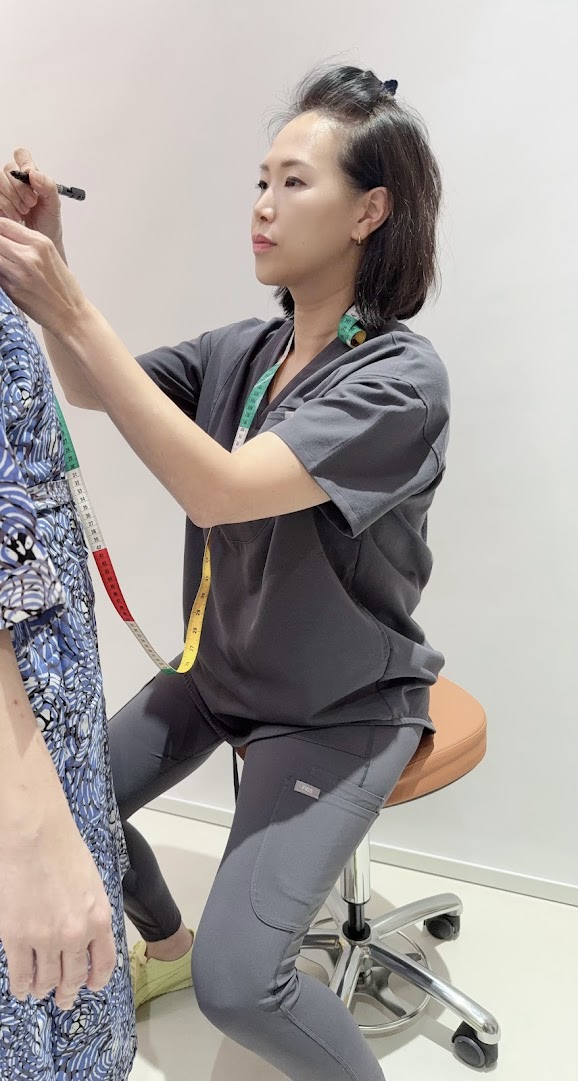
Before surgery, Dr Pearlie Tan will carefully mark the treatment areas to guide fat removal and help achieve balanced, symmetrical contours.
During the procedure
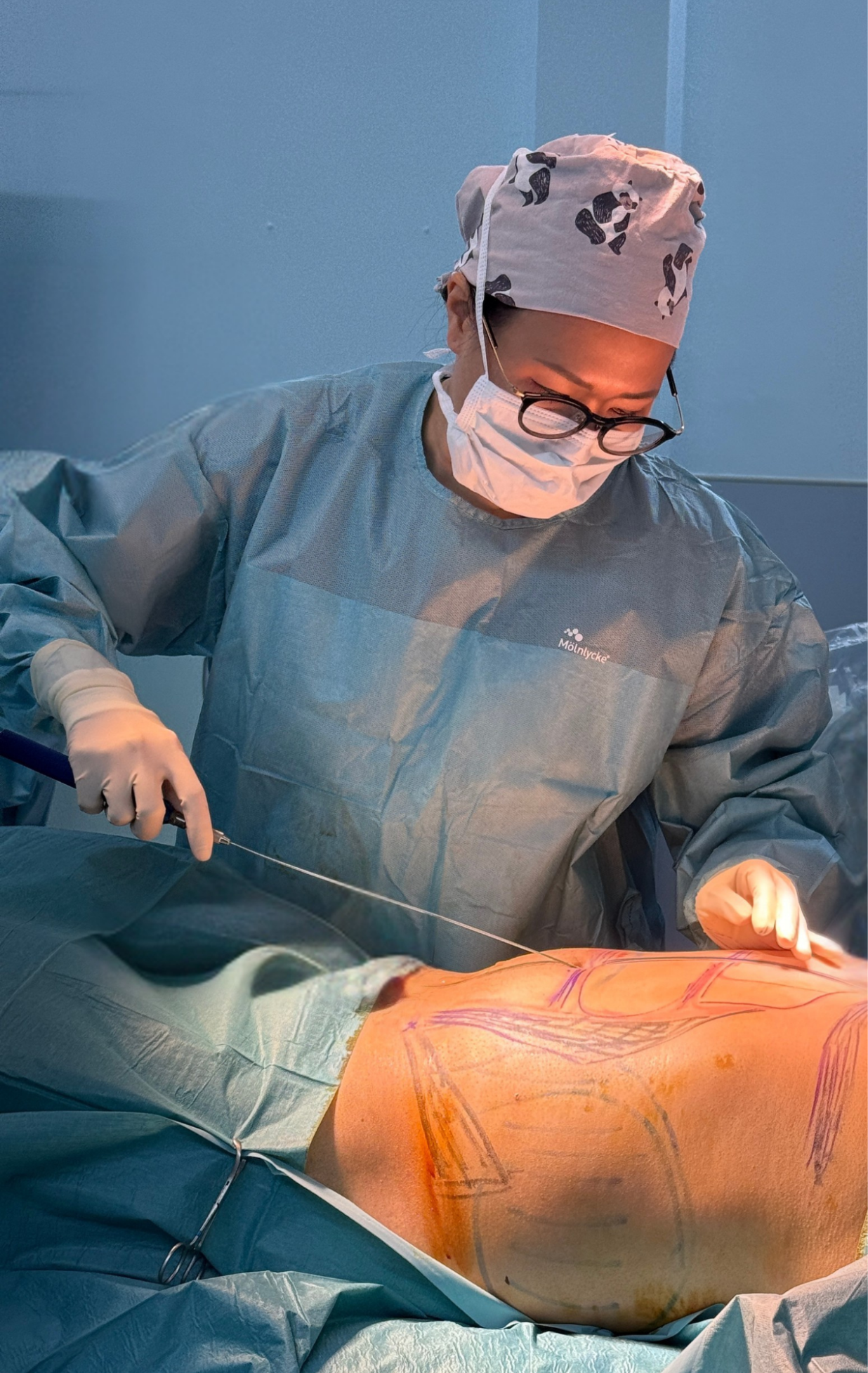
Liposuction removes localised fat deposits through a controlled mechanical process:
- Anaesthesia and preparation – Local or general anaesthesia is administered depending on the extent of treatment. A tumescent solution is infused into the treatment area to minimise bleeding, improve comfort and facilitate fat removal.
- Cannula insertion – Small, discreet incisions are made to allow a thin tube (cannula) to be inserted beneath the skin.
- Fat removal – The cannula is moved in controlled motions to loosen and remove fat while preserving smooth, even contours.
- Contouring – Throughout the procedure, the surgeon continually assesses symmetry and body proportions to create natural-looking results.
- Closure – The incisions are closed where necessary, and compression garments are applied to support healing.
Immediately after
Liposuction is usually performed as a day procedure, allowing most patients to return home after a short period of monitoring. If multiple areas are treated or a larger volume of fat is removed, an overnight stay may occasionally be recommended.
Before you are discharged, you will be fitted with a compression garment and receive detailed instructions on wound care, activity restrictions and prescribed medications to support your recovery.
During the first few days, it is normal to experience swelling, bruising, firmness and mild discomfort. The treated areas may also feel tight or slightly uneven as the tissues heal. These changes gradually improve over time and are monitored during your follow-up appointments.
Post-procedure swelling typically peaks within the first week, plateaus for several weeks, and gradually resolves over 2 to 3 months. To accelerate your recovery and optimize your final contour, we strongly recommend our therapist start early Manual Lymphatic Drainage (MLD). MLD reduces fluid buildup and prevents extensive fibrosis, a firming of the tissue that can cause surface unevenness and negatively impacts your aesthetic results.
Compression garments are worn to support the newly sculpted contours and for comfort during the early stages of recovery. As healing progresses over the following weeks and months, the definition gradually becomes more refined and natural-looking.
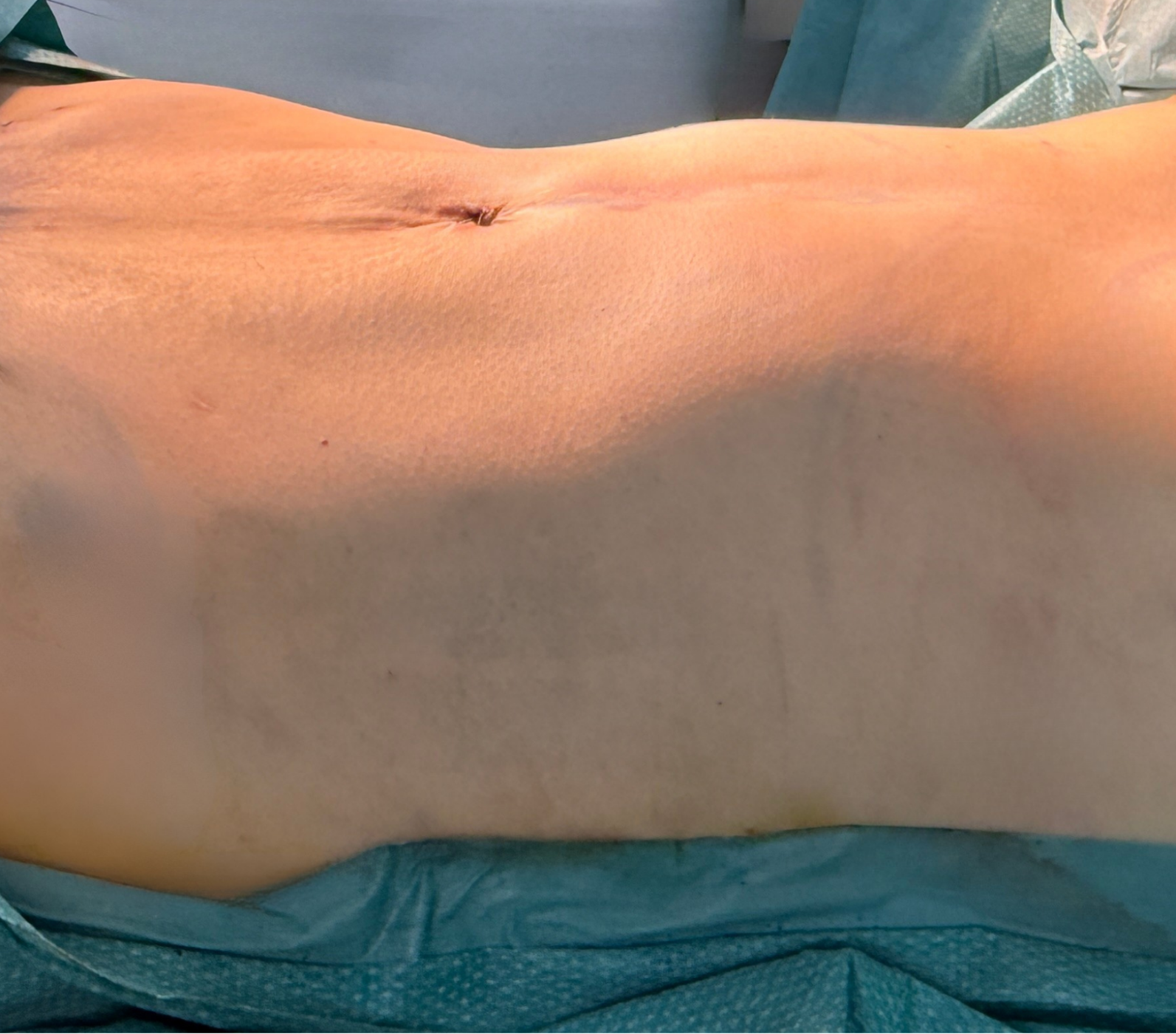
Recovery after liposuction
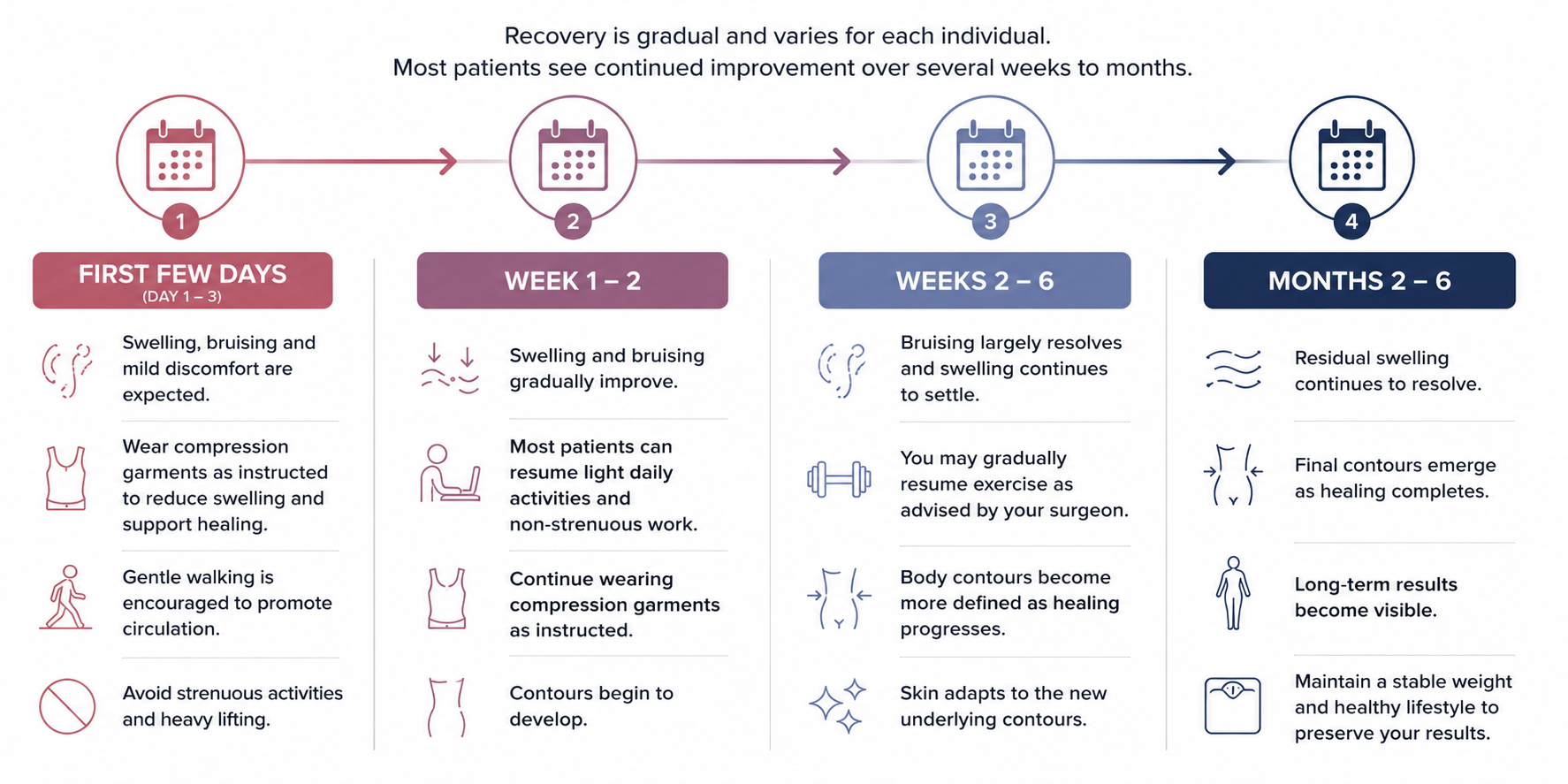
Recovery varies depending on the extent of treatment, but generally follows a steady progression. It entails:
Initial recovery (First few days)
- Swelling, bruising and mild discomfort are expected.
- Tightness or tenderness in the treated areas is common.
- Compression garments are worn continuously to support contour shaping
- To accelerate your recovery and optimize your final contour, we will strongly recommend our therapist start early Manual Lymphatic Drainage (MLD). MLD reduces fluid buildup and prevents extensive fibrosis—a firming of the tissue that can cause surface unevenness and negatively impacts your aesthetic results
- Gentle walking is encouraged to promote circulation, while strenuous activities should be avoided.
Early healing (1 to 2 weeks)
- Swelling and bruising gradually improve.
- Discomfort continues to subside.
- Most patients can resume light daily activities and non-strenuous work.
- Compression garments usually continue to support healing and contour development.
Ongoing recovery (2 weeks to several months)
- Residual swelling continues to settle.
- Body contours become progressively more defined.
- The skin gradually adapts to the new underlying contours.
- Final results become more apparent as healing progresses.
Recovery do’s and don’ts
Recovery Do’s | Recovery Don’ts |
|
|
What results can you expect after liposuction in Singapore?
Results develop gradually as swelling subsides and the treated tissues heal. While some improvement may be noticeable early on, the final outcome becomes more apparent over several weeks to months.
You can generally expect:
- A noticeable reduction in stubborn fat deposits within the treated areas
- Improved body contours with smoother, more balanced proportions
- Better definition in areas such as the waist, hips, thighs or arms
- Gradual skin contraction, depending on skin quality and elasticity
- Continued refinement as swelling resolves and tissues settle
- Long-lasting results when a stable body weight is maintained
Although the removed fat cells do not regenerate, the remaining fat cells can still enlarge with weight gain. Maintaining a stable weight through healthy lifestyle habits helps preserve your results over the long term.
What are the risks and considerations associated with liposuction?
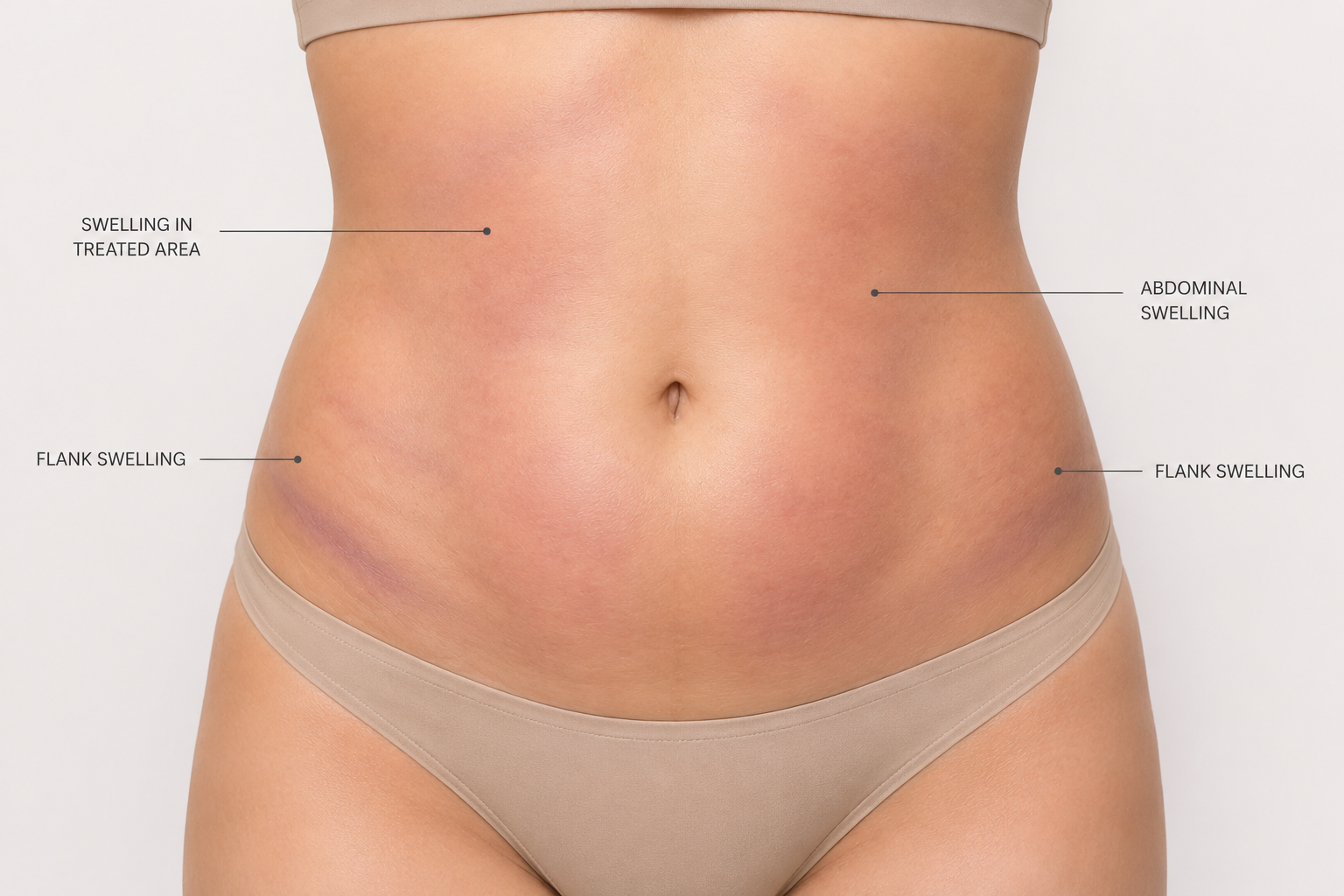
Although liposuction is a well-established surgical procedure, it carries potential risks and considerations like any operation.
Potential risks and considerations include:
- Swelling and bruising – Common after surgery and may take several weeks to fully resolve.
- Temporary discomfort or tightness – Mild soreness, tenderness and a feeling of tightness are expected during the early stages of healing.
- Contour irregularities – Mild asymmetry or unevenness may occur, particularly in areas with uneven fat distribution, reduced skin elasticity or during the healing process.
- Changes in skin firmness or texture – Final skin retraction depends on factors such as skin quality, elasticity and the amount of fat removed.
- Fluid accumulation (seroma) – Fluid may occasionally collect beneath the skin and require monitoring or drainage.
- Temporary numbness or altered sensation – Changes in skin sensation may occur after surgery and usually improve as healing progresses.
- Anaesthesia-related risks – Depending on the type of anaesthesia used, there are associated risks that will be discussed before your procedure.
- Scarring – Small incisions are required for liposuction. Although they are placed as discreetly as possible, all surgical incisions heal with some degree of scarring.
Is there a difference between liposuction for men and women?
The principles of liposuction are the same for both men and women, but the treatment plan is tailored to differences in anatomy, fat distribution and individual aesthetic goals.
In women, liposuction is commonly performed to refine natural curves and improve proportion in areas such as the waist, hips, thighs and arms. The goal is typically to create smoother contours while preserving a balanced, feminine silhouette.
In men, treatment often focuses on enhancing definition rather than softening contours. Common treatment areas include the abdomen, flanks and chest, with the aim of achieving a more sculpted, athletic appearance. Liposuction may also be used to address excess chest fat as part of male chest contouring.
Although the surgical technique remains fundamentally the same, the amount of fat removed and the sculpting approach are individualised to complement each patient’s anatomy and desired outcome.
Liposuction vs Non-surgical fat reduction
Although both liposuction and non-surgical fat reduction aim to reduce unwanted fat, they differ in how they work, the extent of improvement they can achieve and the recovery involved. The most appropriate option depends on your treatment goals, the amount of fat being addressed and your overall body composition.
FEATURE | LIPOSUCTION | NON-SURGICAL FAT REDUCTION |
Fat removal | Immediate, physical removal | Gradual reduction |
Skin tightening | Limited as it depends on skin quality | Minimal to mild |
Degree of change | Mild to moderate | |
Precision | High | Limited |
Sessions required | Typically one | Multiple sessions |
Downtime | Short recovery period | Minimal downtime |
How much does liposuction cost in Singapore?
The cost of liposuction in Singapore varies depending on the extent and complexity of the procedure. Factors that influence the overall cost include the number of treatment areas, the liposuction technique used, the amount of fat being removed, the type of anaesthesia required, facility fees, and whether liposuction is performed alongside other procedures.
Following a personalised consultation, Dr Pearlie will recommend a treatment plan and provide a detailed cost estimate based on your individual goals and clinical needs. At Pearl Plastic Surgery, liposuction typically starts from $8,000.
Book a personalised consultation
If you are considering liposuction, a consultation with Dr Pearlie Tan is the first step in determining whether the procedure is suitable for your goals. During your assessment, she will evaluate your fat distribution (with the InBody Body Composition Analysis), skin quality, body proportions and expected outcome to determine whether liposuction is the most appropriate option or if another treatment may provide a better outcome.
Every treatment plan is tailored to the individual, with recommendations based on achieving natural-looking, balanced results rather than simply removing fat. If you would like to explore your options, book an appointment to discuss your concerns, understand the expected outcomes and receive a personalised treatment plan.
Frequently Asked Questions
Is liposuction a weight loss procedure?
No, liposuction is designed for contouring and removing localised fat deposits, not for overall weight reduction.
How much fat can be removed safely?
The amount of fat that can be safely removed depends on factors such as your body composition, overall health and the extent of treatment planned. Dr Pearlie Tan will recommend an appropriate volume based on established surgical safety guidelines.
How much weight can you lose with liposuction?
Liposuction is not intended for significant weight loss. The amount of fat removed varies depending on safety guidelines and individual body characteristics, but the focus is on improving shape and proportion rather than reducing body weight on the scale.
What BMI is suitable for liposuction?
Liposuction is generally most suitable for individuals who are near their ideal body weight but have localised fat deposits. A stable BMI within a healthy or mildly elevated range is typically preferred, but suitability is determined by overall body composition rather than BMI alone.
How do I know if I should consider liposuction?
Liposuction may be considered if you have localised areas of fat that remain resistant despite a stable weight, regular exercise and healthy eating habits. It is most suitable when the concern is related to body contour rather than overall weight. A clinical assessment helps determine whether the issue is due to fat distribution, skin laxity or other structural factors.
When is liposuction the right option versus other treatments?
Liposuction is most appropriate when excess fat is the primary concern and the skin has reasonable elasticity. If the main issue is loose or excess skin rather than fat or if there is underlying muscle separation, alternative procedures such as skin tightening or abdominoplasty may be more suitable. The decision is based on overall tissue quality and body composition rather than fat alone.
Will the fat come back after liposuction?
Removed fat cells do not regenerate. However, remaining fat cells can still enlarge with weight gain, so maintaining a stable lifestyle is important.
How long is liposuction downtime in Singapore?
Most patients return to light activities within a few days to a week. Full recovery and contour refinement take several weeks to months.
Do I need to wear compression garments after liposuction?
Yes, compression garments are typically recommended to be worn for 6–8 weeks to reduce swelling, support healing and help shape the final contour.
Will there be visible scars after liposuction?
Incisions are small and placed in discreet areas. Scars generally fade over time and become less noticeable.
Is liposuction painful?
Most patients experience mild to moderate discomfort, often described as soreness or tightness rather than sharp pain. This improves within the first week.
How soon will I see results after liposuction?
Initial changes may be visible early, but final results take a few months as swelling fully subsides.
Is liposuction safe in Singapore?
When performed by a qualified surgeon in an appropriate setting, liposuction is generally safe. Careful patient selection and technique are key factors.
What are the limitations of liposuction?
Liposuction is a contouring procedure and not a weight-loss solution. It does not tighten significant skin laxity or address muscle separation. Results also depend on maintaining a stable weight, as remaining fat cells can still enlarge with weight gain. Additionally, it cannot prevent future fat accumulation in untreated areas.
Is liposuction worth it in Singapore?
For individuals with persistent, localised fat that does not respond to diet and exercise, liposuction can provide meaningful and long-lasting contour improvement. Choosing to undergo treatment in Singapore also allows for easier access to scheduled follow-up appointments and ongoing post-operative care throughout your recovery. Whether liposuction is worthwhile ultimately depends on your individual goals, expectations and suitability for the procedure.
Can liposuction tighten loose skin?
Liposuction does not significantly tighten skin. If skin laxity is present, additional treatments may be needed.
Can liposuction be combined with other procedures?
Yes, it is often combined with procedures such as tummy tuck, fat grafting or body contouring treatments for more comprehensive results.
Is liposuction claimable by insurance or MediSave?
Liposuction for aesthetic purposes is generally not claimable. Eligibility depends on medical indication and prevailing MOH guidelines.