
Thigh Reduction Surgery

The thighs play an important role in overall body proportion. While attention often focuses on the waist, abdomen or hips, the shape and contour of the thighs can significantly influence the shape and overall balance of the lower body.
For some individuals, the concern is not simply thigh size. Excess skin, persistent fullness or reduced skin elasticity can affect the shape of the thighs, particularly following significant weight loss or changes in body composition.
These changes can cause skin rubbing or discomfort, affect how clothing fits and leave the thighs appearing disproportionate to the rest of the body despite weight loss, exercise or other lifestyle changes.
What is thigh reduction surgery?
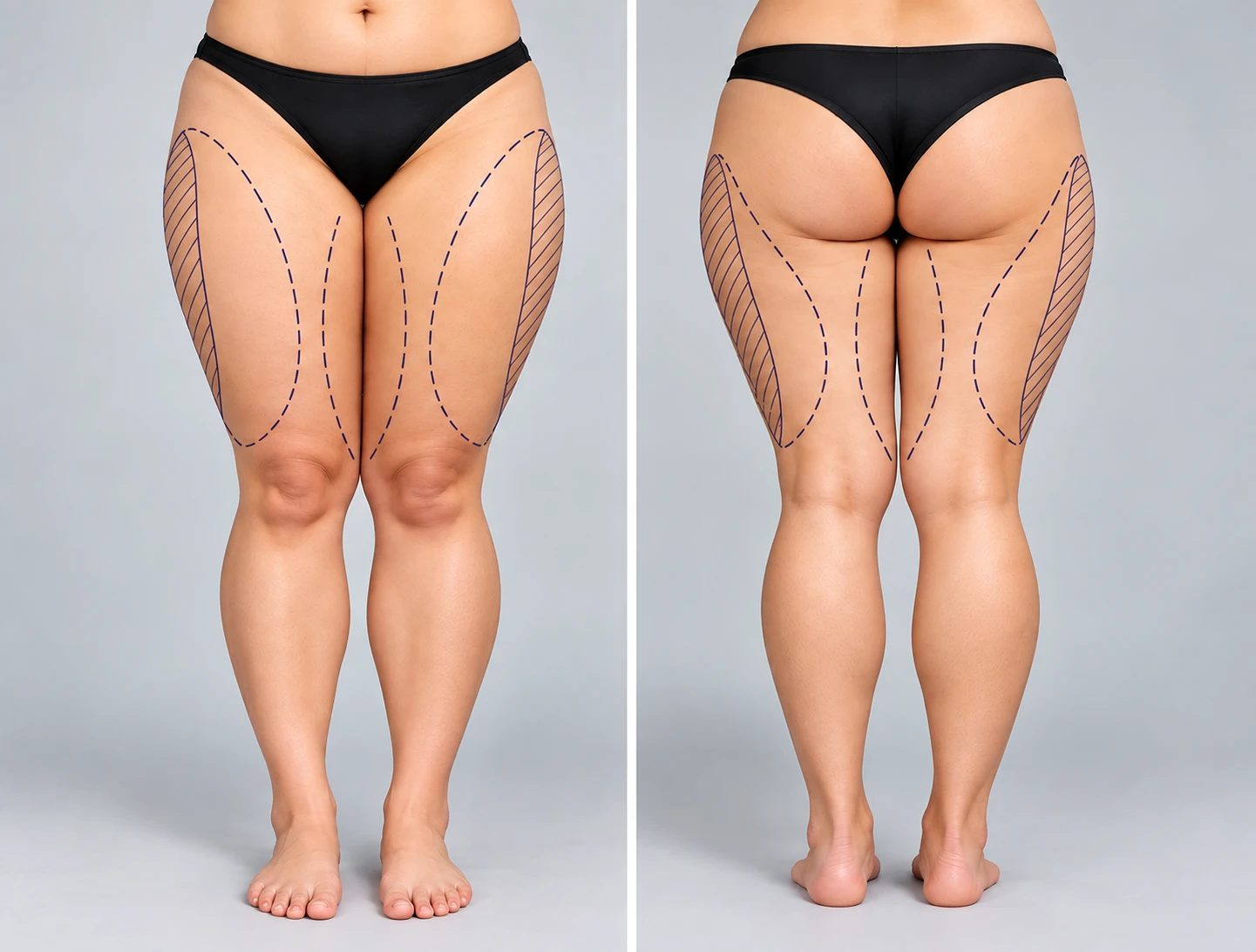
Thigh reduction surgery refers to surgical procedures that reshape the thighs by addressing excess skin, localised fat or a combination of both. Rather than referring to a single procedure, the term can include different surgical techniques depending on what is contributing to the thigh contour.
Treatment may involve:
- Removal of excess or loose skin
- Reduction of localised fat
- Repositioning and tightening of remaining tissues
- Reshaping of the inner thighs
- Liposuction, either alone or combined with skin removal
The aim is to create smoother, more proportionate thigh contours while maintaining a natural balance with the hips, buttocks and rest of the lower body.
Are all thigh reduction procedures the same?
No two patients present with the same thigh contour concerns. In some individuals, the primary issue is excess fat accumulation. For this reason, thigh reduction surgery is highly individualised and may involve different techniques depending on the underlying cause.
Liposuction-based thigh reduction
When localised fat is the main concern and skin elasticity remains good, liposuction can reduce persistent thigh fullness and improve contour. However, it does not remove excess skin and can make existing laxity more noticeable in some patients.
Inner thigh lift
For excess or loose skin affecting the inner thighs, an inner thigh lift removes redundant skin and repositions the remaining tissues. Depending on the extent of laxity, the incision may be positioned within the groin crease or extend along the inner thigh.
Extended thigh lift
Following significant weight loss, skin laxity can extend beyond the upper inner thigh. An extended thigh lift removes a larger area of excess skin and can form part of a broader post-weight-loss body contouring plan.
Thigh lift with liposuction
When both excess fat and loose skin contribute to the thigh contour, liposuction can be combined with a thigh lift to address volume and skin laxity during the same procedure.
When do people consider thigh reduction surgery?
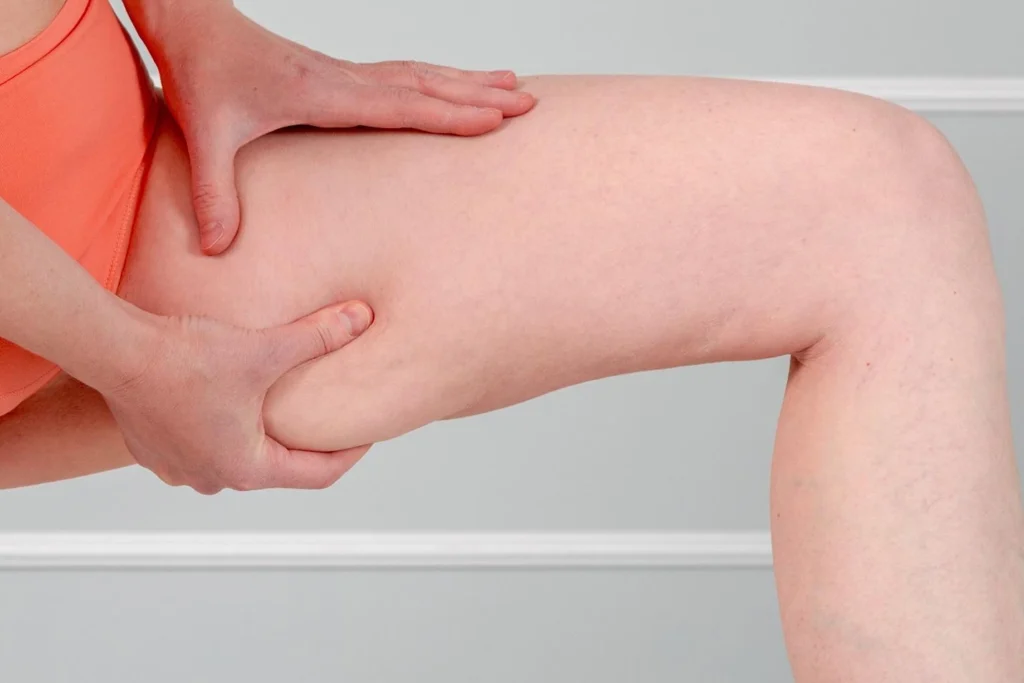
People consider thigh reduction surgery for different reasons. Some have loose or excess skin following significant weight loss, while others have persistent thigh fullness or changes in contour that remain despite maintaining a stable weight and active lifestyle.
Common concerns include:
- Loose or excess inner thigh skin
- Skin folds following significant weight loss
- Chafing or friction between the thighs
- Persistent localised thigh fullness
- Difficulty with clothing fit
- Reduced inner thigh definition
- Asymmetry between the thighs
- Changes in thigh contour associated with ageing
What happens during a thigh reduction consultation?
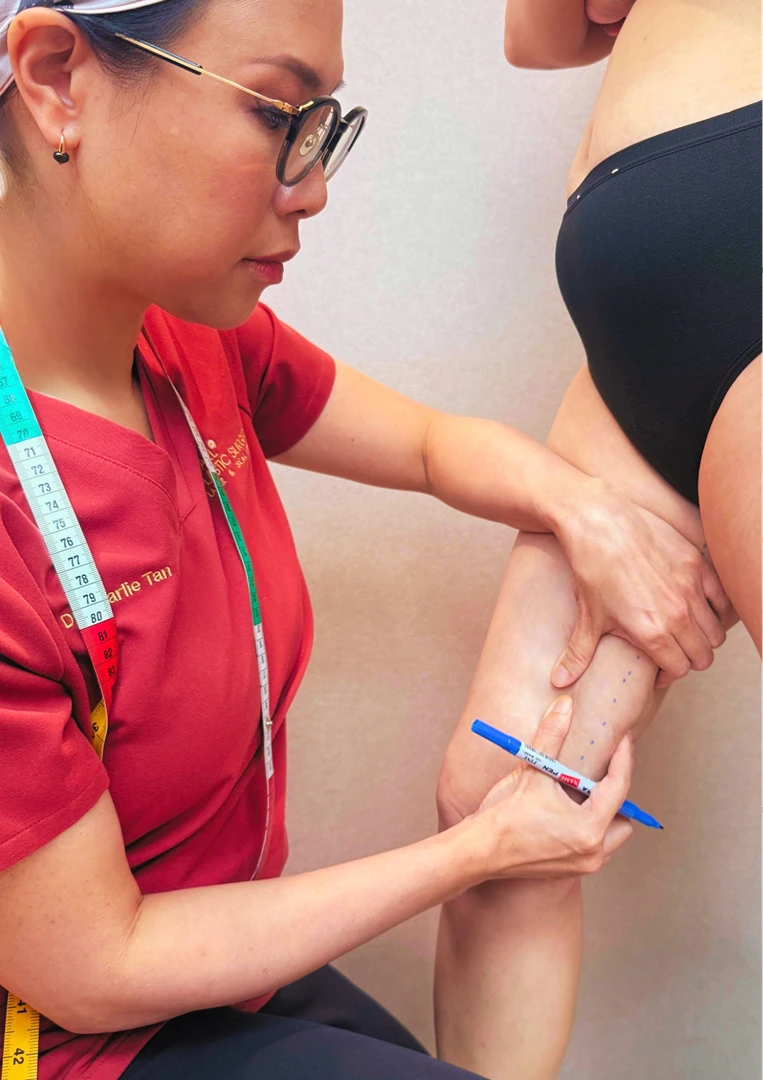
Treatment planning begins with an assessment of the thighs, skin quality and overall body proportions. During the consultation, Dr Pearlie Tan will assess:
- Medical and weight history – including previous weight changes, medical conditions, medications and past surgeries that could affect treatment or recovery.
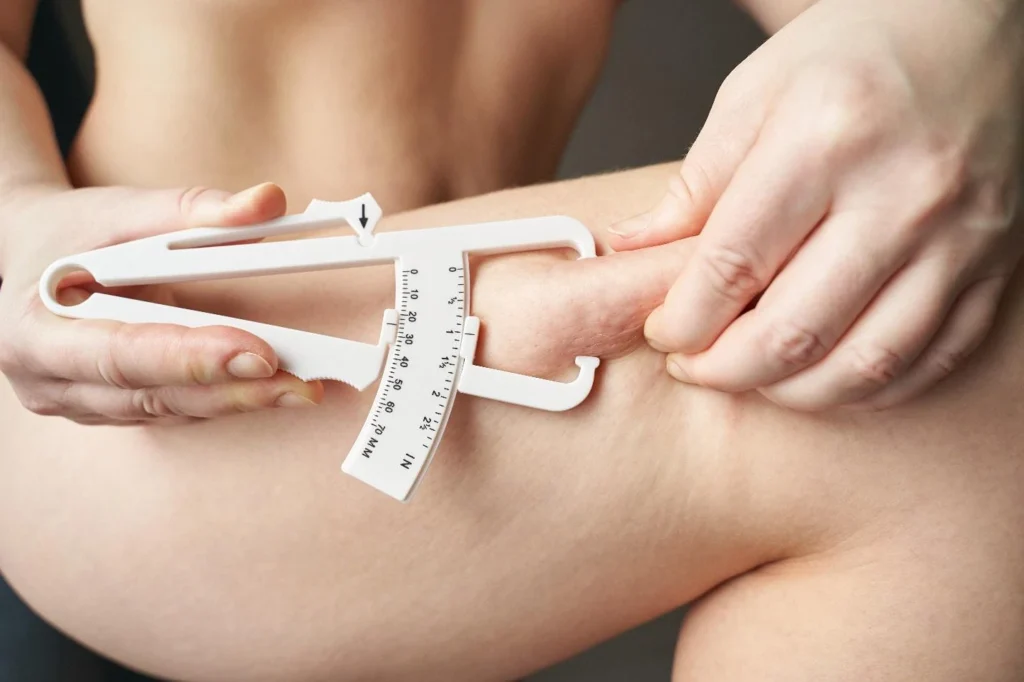
- Skin quality and laxity – to determine whether liposuction alone could be appropriate or whether excess skin needs to be removed.
- Fat and tissue distribution – to understand whether the concern is primarily excess skin, localised fat or a combination of both.
- Body proportions – including how the thighs relate to the hips, buttocks and surrounding lower body.
- Goals and expectations – including the desired changes, expected scars, recovery and what can realistically be achieved with surgery.
What happens during thigh reduction surgery?
The exact technique depends on whether treatment involves liposuction, skin removal or a combination of both. The procedure generally involves:
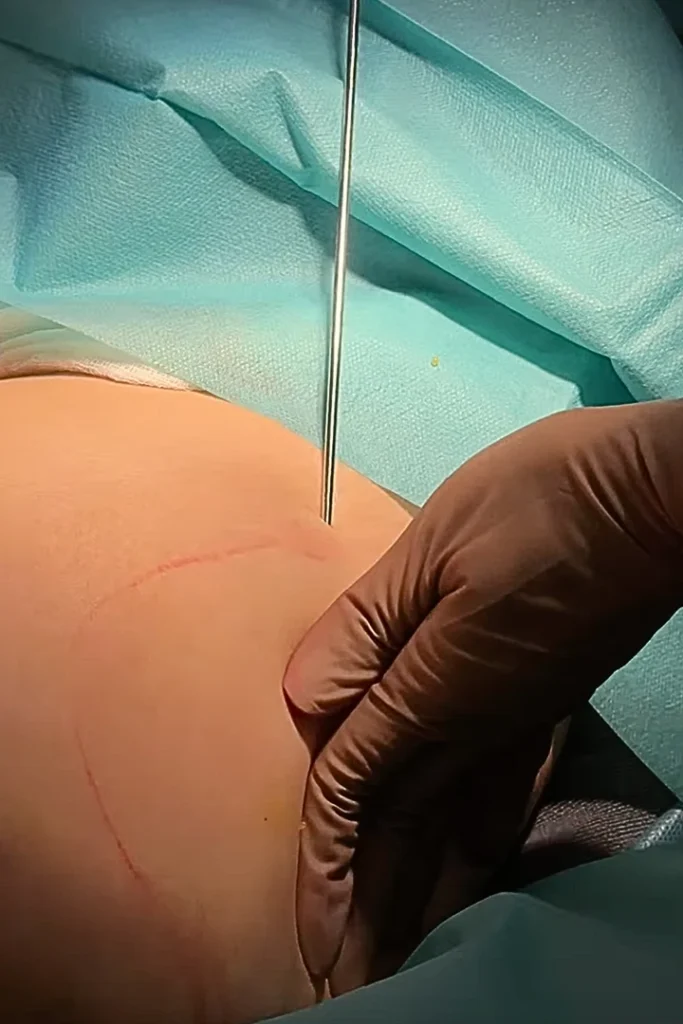
- Surgical markings – the treatment areas are marked to identify excess skin, localised fat and areas requiring contour adjustment.
- Anaesthesia – thigh reduction surgery is performed under appropriate anaesthesia based on the extent of the procedure.
- Fat and skin reduction – localised fat may be removed with liposuction, while loose or excess skin is surgically removed where required.
- Contour refinement – the remaining tissues are repositioned and shaped to create smoother transitions between the thighs and surrounding lower body.
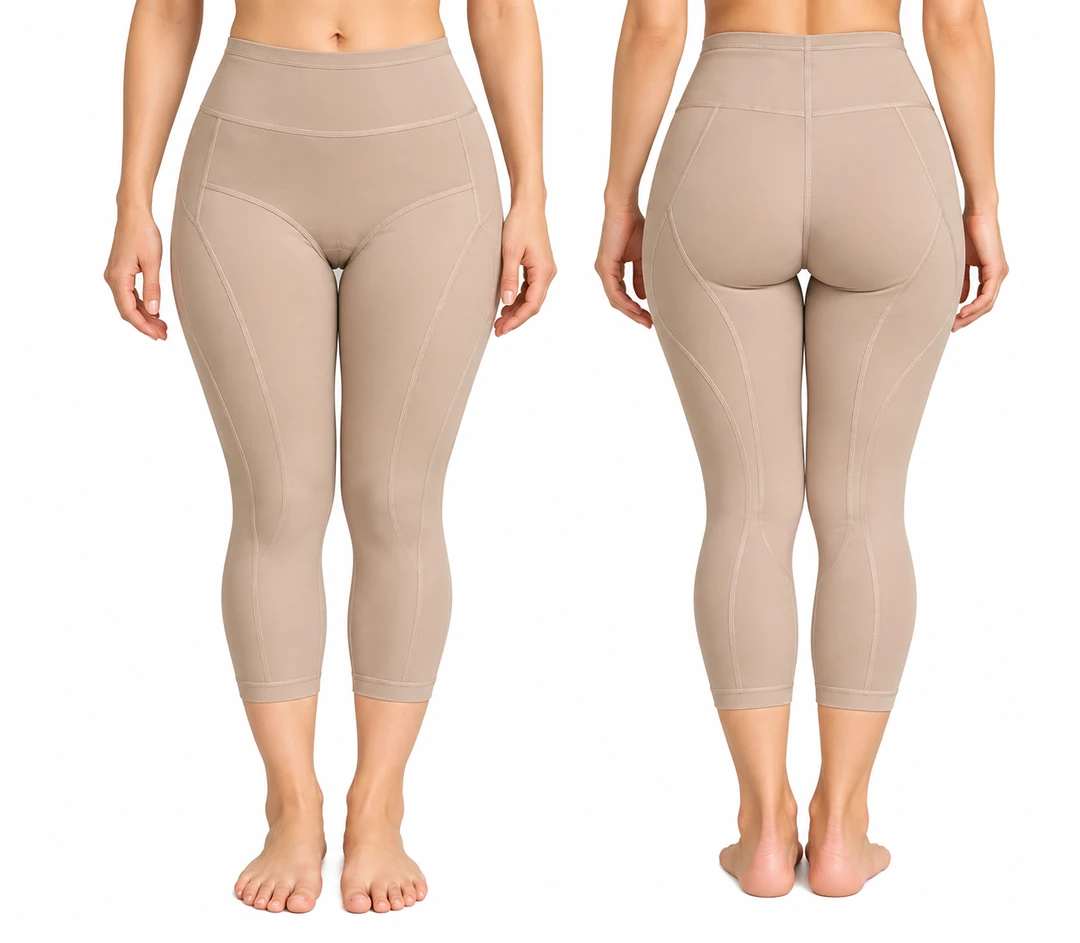
- Closure and compression – incisions are closed in layers, with dressings and compression garments typically applied to support healing and manage swelling.
Recovery after thigh reduction surgery
Recovery after thigh reduction surgery varies depending on the extent of surgery and whether treatment involves liposuction, skin removal or a combination of both. Healing occurs gradually, with swelling and tightness improving as the tissues settle into their new contour.
Recovery period | What to expect |
First 1–2 weeks | Swelling, bruising, tightness and discomfort are common. Gentle walking is usually encouraged, while strenuous activity and movements that place excessive tension on the incisions are restricted. A compression garment will be provided for the patient to wear throughout the day and night. |
Weeks 2–6 | Swelling and discomfort gradually decrease and mobility improves. Many patients begin returning to routine daily activities depending on the extent of surgery and individual healing. The compression garment will be worn mainly during the day-time. |
Months 2–6 | Swelling continues to decrease and the thigh contour becomes more defined. Exercise and more strenuous lower-body activity can be gradually resumed once cleared by the surgeon, while scars continue to mature. |
6–12 months | The tissues continue to settle and the final contour becomes more apparent. Scars continue to mature and can gradually become less noticeable, although they remain permanent. |
Why does a surgeon's expertise matter in thigh reduction surgery?
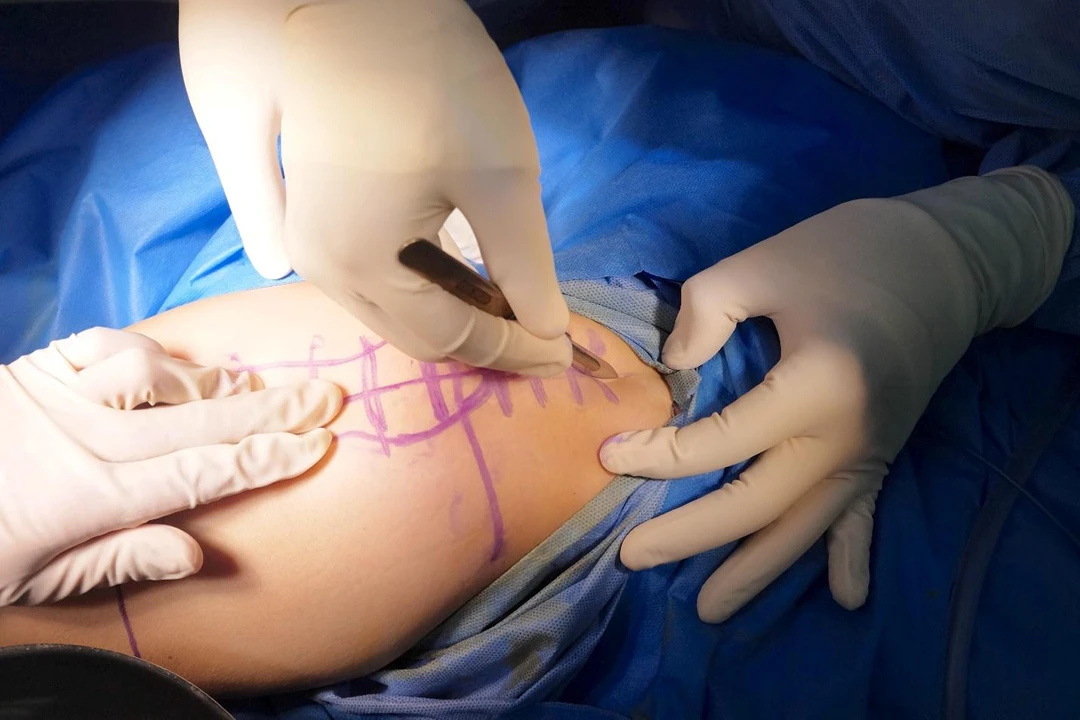
Thigh reduction surgery involves more than removing excess skin or fat. The amount and location of tissue removed must be carefully planned to improve contour without creating excessive tension or unnatural transitions between the thighs and surrounding areas.
Scar placement is also an important consideration, particularly in thigh lift procedures where larger areas of skin may need to be removed. Incisions should be planned according to the location and extent of skin laxity while balancing contour improvement with the resulting scar.
Careful surgical planning also helps manage differences between the thighs, preserve natural proportions and determine when liposuction, skin removal or a combination of techniques is appropriate.
Dr Pearlie Tan believes that scar management is just as important as the procedure itself. Because thigh lift incisions can vary considerably depending on the amount and location of excess skin, scar placement is considered from the initial surgical planning stage. Careful closure and appropriate post-operative scar management also play an important role in how scars heal and mature over time.
How much does thigh reduction surgery cost?
The cost of thigh reduction surgery in Singapore varies depending on the type and extent of surgery required. Liposuction-based thigh reduction, skin removal and combined procedures involve different levels of surgical planning and treatment.
Pricing is influenced by factors such as the amount and location of excess skin or fat, whether liposuction is combined with a thigh lift, the extent and duration of surgery, anaesthesia and operating facility fees, and post-operative care requirements. Thigh reduction surgery at Pearl Plastic Surgery starts from SGD $8,000.
Following an assessment, Dr Pearlie Tan will recommend an appropriate surgical approach and provide a detailed quotation based on the individual treatment plan.
Book a consultation
During consultation, Dr Pearlie Tan will assess your concerns, discuss the available surgical options and explain the expected recovery, scarring and potential outcomes based on your individual anatomy.
Book an appointment to discuss thigh reduction surgery and the treatment options available.

Frequently Asked Questions
Is thigh reduction surgery the same as a thigh lift?
Not necessarily. Thigh reduction surgery is a broader term that can include liposuction, a thigh lift or a combination of both, depending on whether the main concern is localised fat, excess skin or both.
A thigh lift specifically involves removing excess skin and repositioning the remaining tissues to improve thigh contour.
Why don't diet and exercise always reduce thigh size?
Thigh shape is influenced by more than overall body weight. Genetics and individual fat distribution can cause some people to retain more fat around the thighs even after losing weight, while skin elasticity also affects how the thighs look as body composition changes.
Exercise can strengthen the muscles of the legs and contribute to overall fat loss, but it cannot selectively remove fat from the thighs. Significant weight loss can also reduce thigh volume without removing loose skin that has lost elasticity.
When persistent thigh fullness is caused by localised fat or excess skin rather than overall body weight, further weight loss or exercise alone may not fully address the contour concern.
Is thigh reduction surgery suitable after massive weight loss?
Thigh reduction surgery is common after significant or massive weight loss when loose or excess skin remains around the thighs.
Depending on the extent of skin laxity, treatment may involve an inner thigh lift, an extended thigh lift or a combination of skin removal and liposuction. Patients are generally advised to reach a stable and sustainable weight before undergoing post-weight-loss body contouring.
Can thigh reduction surgery help with chafing?
Yes. When chafing is caused by excess skin or tissue rubbing between the thighs, reducing this tissue can decrease friction during walking and other physical activities.
However, thigh reduction surgery is not required for every case of thigh chafing, and the underlying cause should be considered when determining whether surgery is appropriate.
Can thigh reduction surgery be combined with other body contouring procedures?
Yes. Depending on the individual’s anatomy and treatment goals, thigh reduction can be combined with other body contouring procedures such as abdominoplasty, liposuction or a lower body lift.
Whether multiple procedures should be performed together depends on the extent of surgery required, overall health and the expected recovery.
Will there be scars after thigh reduction surgery?
If the procedure involves skin removal, permanent scars are expected. Their location and length depend on the amount of excess skin and the surgical technique required.
For some inner thigh lifts, the incision can be positioned within or close to the groin crease. More extensive skin removal may require a longer incision extending along the inner thigh.
Scars typically change in appearance as they mature over the months following surgery, although they do not disappear completely.
Does thigh reduction surgery improve cellulite?
Thigh reduction surgery is not designed specifically to treat cellulite. Liposuction and skin removal address fat volume, excess skin and contour rather than the structural changes responsible for cellulite. Cellulite can be addressed with RFAL (Radiofrequency Assisted Lipolysis).
Are thigh reduction surgery results permanent?
Skin and fat removed during surgery do not grow back in the same way. However, the thighs can continue to change with ageing, weight fluctuations and future changes in body composition.
Maintaining a relatively stable weight can help preserve the resulting contour over time.
How much weight should I lose before thigh reduction surgery?
There is no single target weight that applies to every patient. Rather than reaching a specific number on the scale, patients are generally advised to reach a stable and sustainable weight before surgery. This is particularly important following significant weight loss, as further substantial weight changes can alter skin laxity and affect the resulting thigh contour.