
Hyperbaric Oxygen Therapy (HBOT)

At a glance
Treatment | Hyperbaric Oxygen Therapy (HBOT) |
Purpose | Supports tissue oxygenation and healing in selected patients |
Helps with | Improves tissue oxygenation for healing and repair, collagen production and new blood vessel formation to improve blood supply to wounds and healing incisions. |
Session duration | Approximately 60–120 minutes per session |
Number of sessions | Individualised according to the underlying condition and treatment goals, average of 5–20 sessions |
Downtime | Minimal; most patients can resume normal daily activities after treatment |
Suitable for | Selected patients with compromised healing following surgery, injury or certain medical conditions i.e. radiation injury |

Successful healing depends on adequate blood supply, oxygen delivery and the body’s ability to repair damaged tissues. While most patients heal uneventfully after surgery, injury or certain medical treatments, some individuals may experience delayed healing or develop complications that place tissues at risk.
In selected situations, Hyperbaric Oxygen Therapy (HBOT) may be considered as an adjunctive treatment to support tissue recovery and wound healing.
HBOT involves breathing near-100% oxygen inside a specially designed pressurised chamber. By increasing the amount of oxygen delivered to tissues, HBOT can help support the body’s natural healing processes in situations where recovery has become compromised.
At Pearl Plastic Surgery, HBOT may be discussed as part of recovery planning for selected patients with compromised healing. Where appropriate, Dr Pearlie Tan can assess the wound, optimise recovery care and refer patients to suitable medical-grade HBOT providers in Singapore.
How does hyperbaric oxygen therapy work?
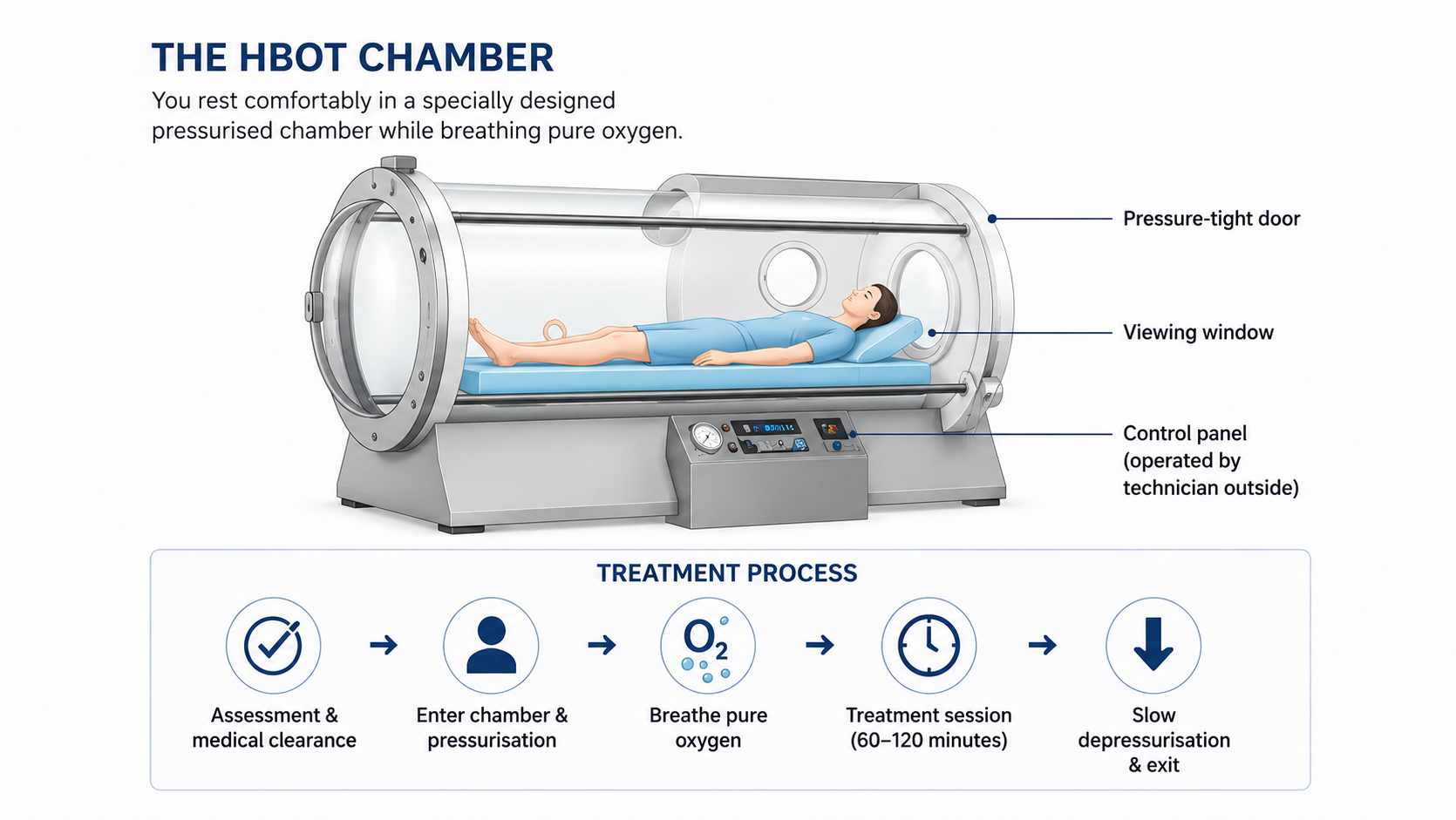
HBOT works by increasing the amount of oxygen available to tissues that may be struggling to heal because of injury, reduced blood supply, inflammation or other underlying factors.
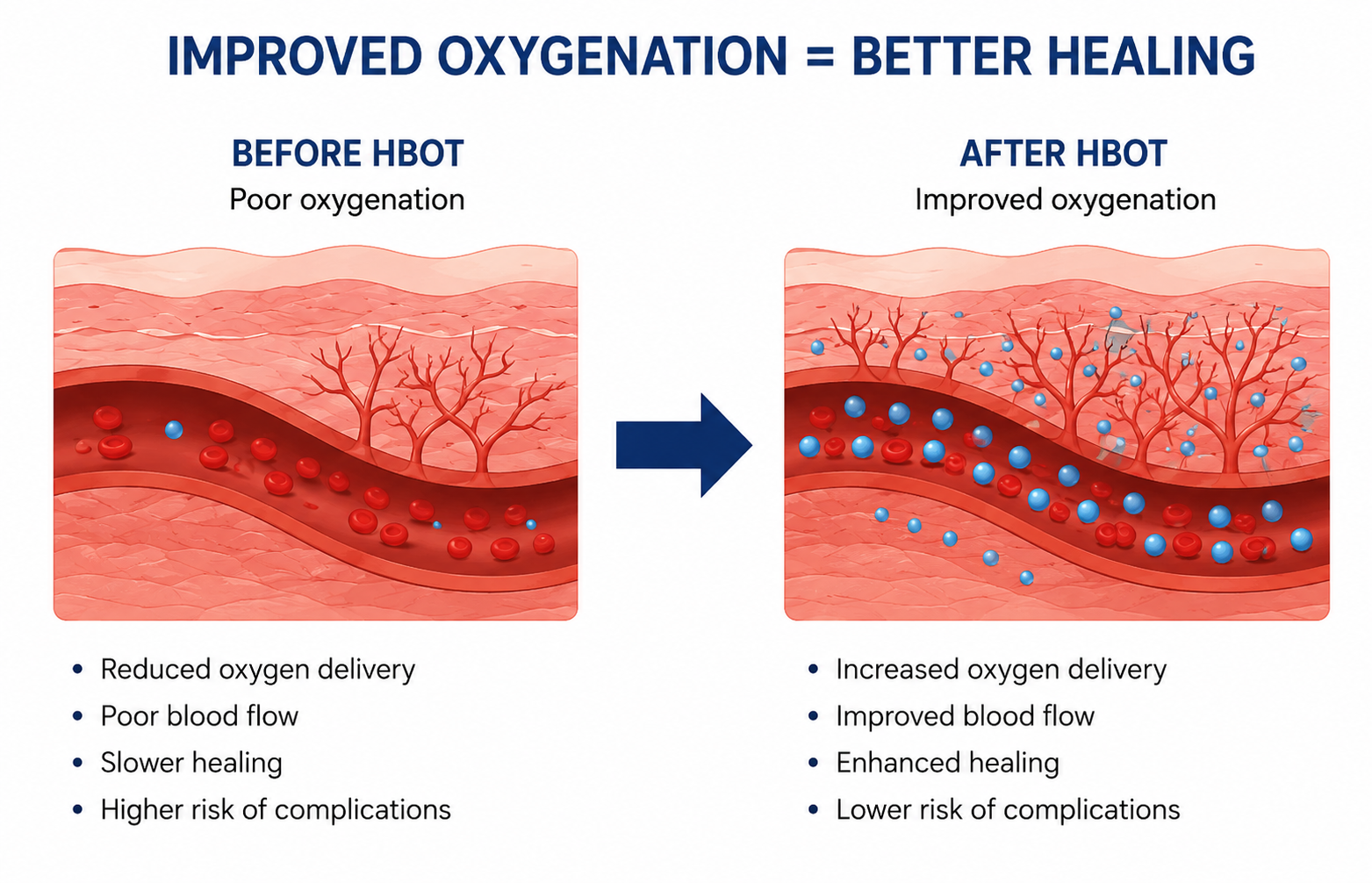
Under normal conditions, oxygen is primarily transported through red blood cells. During HBOT, increased atmospheric pressure allows significantly larger amounts of oxygen to dissolve directly into the bloodstream and body fluids, enabling oxygen to reach tissues that may otherwise receive an inadequate supply.
The biological process typically occurs in several stages:
- Improved tissue oxygenation – Inside a hard-shell chamber pressurized above 2 ATA, the elevated partial pressure of oxygen (PaO2) forces oxygen to dissolve directly into the blood plasma at significantly higher concentrations than normal. This process bypasses reliance on red blood cell saturation alone, allowing oxygen-rich plasma to reach and nourish poorly vascularized or damaged wound sites.
- Stimulation of new blood vessel formation – HBOT stimulates angiogenesis and neovascularization, the process by which the body develops new microscopic blood vessels to improve long-term tissue perfusion.
- Enhanced collagen production – HBOT raises tissue oxygen levels, which significantly boosts the activity of fibroblasts, the primary cells responsible for synthesizing collagen. HBOT simultaneously reduces matrix metalloproteinases (MMPs), minimizing the breakdown of existing collagen while accelerating overall repair.
- Support for infection control – Hyperbaric Oxygen Therapy (HBOT) combats infections through a combination of direct antimicrobial effects and immune system enhancement.
What is compromised healing and how does it impact recovery?
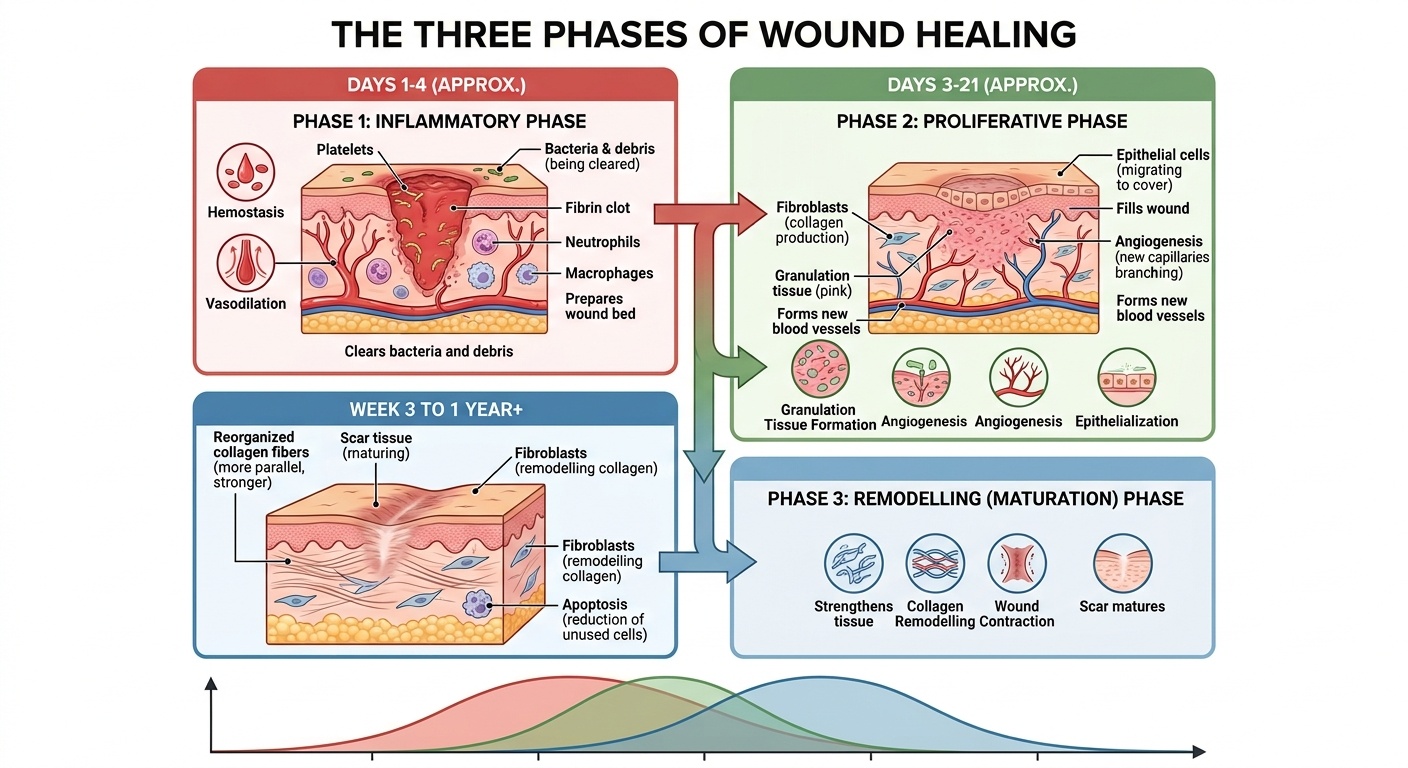
Healing normally occurs through a series of coordinated stages involving inflammation, tissue repair, collagen production and remodelling. Compromised healing occurs when one or more of these stages is disrupted, delayed or unable to progress normally.
This may occur because of:
- Reduced blood supply
- Diabetes and other chronic medical conditions
- Smoking
- Infection
- Radiation-related tissue injury
- Extensive tissue trauma
- Certain medications
- Poor nutritional status
When healing is compromised, wounds may close more slowly, tissues may remain fragile for longer, and the risk of complications may increase. In selected situations, HBOT may be considered to help improve tissue oxygenation and support recovery.
What are the benefits of hyperbaric oxygen therapy?
For selected patients, potential benefits of HBOT include:
- Improved oxygen delivery to compromised tissues
- Support for wound healing and tissue repair
- Stimulation of new blood vessel formation
- Enhanced collagen production
- Reduction of tissue swelling in selected situations
- Support for recovery in areas affected by reduced blood supply
- Adjunctive support for selected infections
- Potential improvement in overall healing outcomes when used alongside appropriate medical care
What are the potential risks associated with hyperbaric oxygen therapy?
The treatment is generally well-tolerated when performed under appropriate medical supervision. However, like any medical treatment, it carries potential risks and side effects.
Possible risks include:
- Temporary ear pressure or discomfort similar to changes experienced during air travel
- Sinus discomfort or congestion
- Temporary visual changes e.g. transient myopia (“near-sightedness”) that usually resolves after treatment completion
- Fatigue following treatment sessions
- Claustrophobia or anxiety in enclosed spaces
- Rare oxygen-related complications affecting the lungs or nervous system
- Rare pressure-related injury to the ears or lungs
When might hyperbaric oxygen therapy be considered?
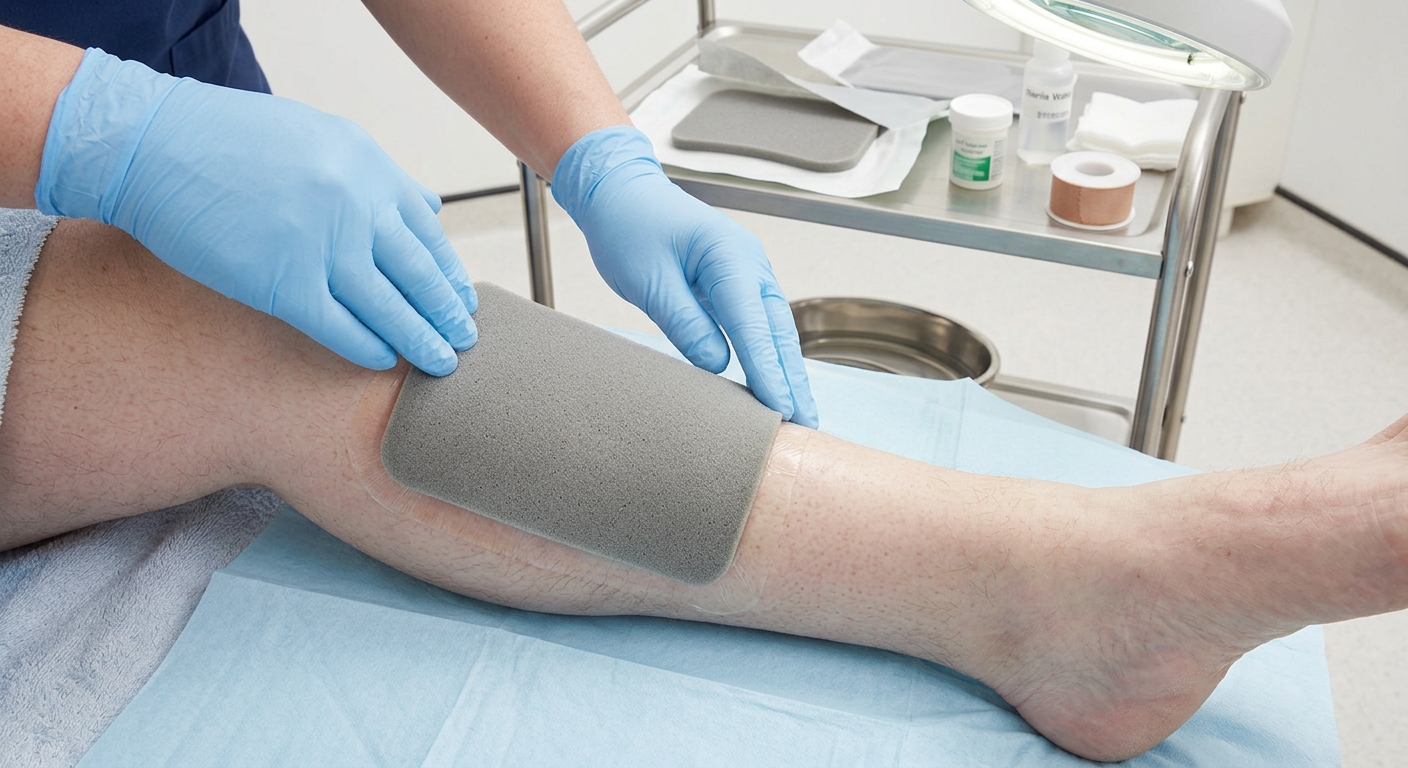
HBOT may be considered for selected clinical situations involving impaired healing or tissue recovery. These include:
- Delayed wound healing – wounds that fail to progress through normal healing stages despite appropriate treatment.
- Surgical wound complications – selected wounds that show signs of impaired recovery following surgery.
- Tissue affected by reduced blood supply – areas where compromised circulation limits oxygen delivery and tissue repair.
- Radiation-related tissue injury – tissues affected by previous radiotherapy treatment that continue to demonstrate impaired healing. Radiation-induced tissue injury can manifest even years after radiotherapy treatment.
- Serious Infection – Through these mechanisms, Hyperbaric Oxygen Therapy (HBOT) combats infections through a combination of direct antimicrobial effects and immune system enhancement.
- Direct Toxic Effect on Anaerobes: High oxygen tensions generate reactive oxygen species (ROS) that directly damage bacterial DNA and cell membranes, inhibiting toxin production and killing the organisms.
- Restoration of Neutrophil Function: In ischemic or hypoxic tissue, white blood cells (neutrophils) lose their ability to execute oxygen-dependent respiratory bursts—the process used to kill engulfed bacteria. HBOT raises local tissue PO2 above critical thresholds (typically >30mmHg), fully restoring neutrophil phagocytic and bactericidal capability.
- Synergy with Antibiotics: Elevated tissue oxygenation enhances the transport and delivery of certain antibiotics.
- Reduction of Biofilm: High oxygen concentrations disrupt bacterial communication (quorum sensing) and weaken the protective extracellular matrix of mature biofilms, making persistent infections like chronic osteomyelitis more susceptible to both host defenses and systemic antibiotics.
- Edema Reduction and Perfusion: HBOT induces hyperoxic vasoconstriction, which reduces tissue edema and swelling without compromising tissue oxygenation. Lowering local pressure improves microvascular perfusion, allowing immune cells and circulating antibiotics to reach the infected site more efficiently.
- Selected traumatic injuries – certain injuries involving tissue compromise, crush injury or significant soft tissue damage.
- High-risk wounds – patients with diabetes, vascular disease or other medical conditions that may impair healing.
- Plastic surgery and reconstructive recovery – HBOT is increasingly integrated into post-operative recovery programs for body contouring and cosmetic procedures — including liposculpture, tummy tucks (abdominoplasty), and facial fat grafting. HBOT helps reduce post-surgical swelling (oedema) that normally restricts local tissue oxygen levels, thereby increasing delivery of oxygen to the operative site, making your recovery both faster and more comfortable.
In complex plastic and reconstructive surgeries, HBOT can possibly turn the tables on compromised skin grafts or tissue flaps struggling with inadequate blood supply. By significantly increasing dissolved oxygen levels in your bloodstream inside a pressurized chamber (operating above 2.0ATA), HBOT delivers higher concentrations of oxygen directly to damaged tissues, enhancing microvascular circulation, protects vulnerable cells, mitigates ischemic-reperfusion injury (IRI), improving chances of graft and flap survival rates.
Medical-Grade HBOT vs. Wellness "Mild" HBOT
When choosing Hyperbaric Oxygen Therapy for post-surgical recovery or complex wound healing, the distinction between a licensed medical facility and a commercial wellness clinic is an important consideration for effective treatment.
- Therapeutic Pressure (ATA) — Evidence-based treatment requires hard-shell chambers made of heavy-duty aluminum or steel capable of operating at 2.0 ATA or higher with 100% pure oxygen. Wellness facility chambers are typically constructed from lighter composite metals or rigid plastics; these units are capped at low pressures (typically 1.3 to 1.99 ATA) and rely on standard oxygen concentrators with ambient air or low-concentration oxygen via a mask. These sub-therapeutic levels are insufficient to achieve the plasma oxygen saturation needed for tissue repair and salvaging compromised surgical tissue.
- Specialist Oversight — Medical-grade HBOT is prescribed, monitored, and calibrated by qualified hyperbaric physicians and trained nurses who manage contraindications, pressure equalisation, and individualised protocols.
- Regulatory Compliance — High-pressure medical hyperbaric equipment is subject to strict engineering and safety standards. In Singapore, high-pressure medical chambers and compressed air pressure vessels fall under the regulatory purview of the Ministry of Manpower (MOM) for workplace and structural pressure safety. Wellness spas operating soft-shell units lack this level of clinical and structural safety validation.
Choosing a certified medical center ensures you receive scientifically proven, therapeutic oxygen delivery in a safe environment.
Who should not consider hyperbaric oxygen therapy?
Not every patient is suitable for HBOT. Certain medical conditions may increase the risk of complications, while other situations require careful assessment before treatment can be considered. This includes:
Absolute contraindications
These conditions generally prevent HBOT from being performed:
- Untreated pneumothorax (collapsed lung) – changes in pressure within the chamber may worsen the condition and can become life-threatening if not addressed beforehand.
Respiratory and ear-related conditions requiring assessment
HBOT involves pressure changes that affect the lungs, sinuses and ears. Additional evaluation may be needed if you have:
- Chronic obstructive pulmonary disease (COPD)
- Emphysema
- Cystic fibrosis
- Other lung diseases associated with an increased risk of pneumothorax
- Current fever, flu or upper respiratory tract infection
- Nasal or sinus congestion
- Recent ear injury
- Recent ear surgery
- History of difficulty equalising ear pressure
Pregnancy
- HBOT is generally not routinely performed during pregnancy unless there is a clear medical indication where the potential benefits outweigh the risks.
- Suitability should be assessed on an individual basis by the treating doctor.
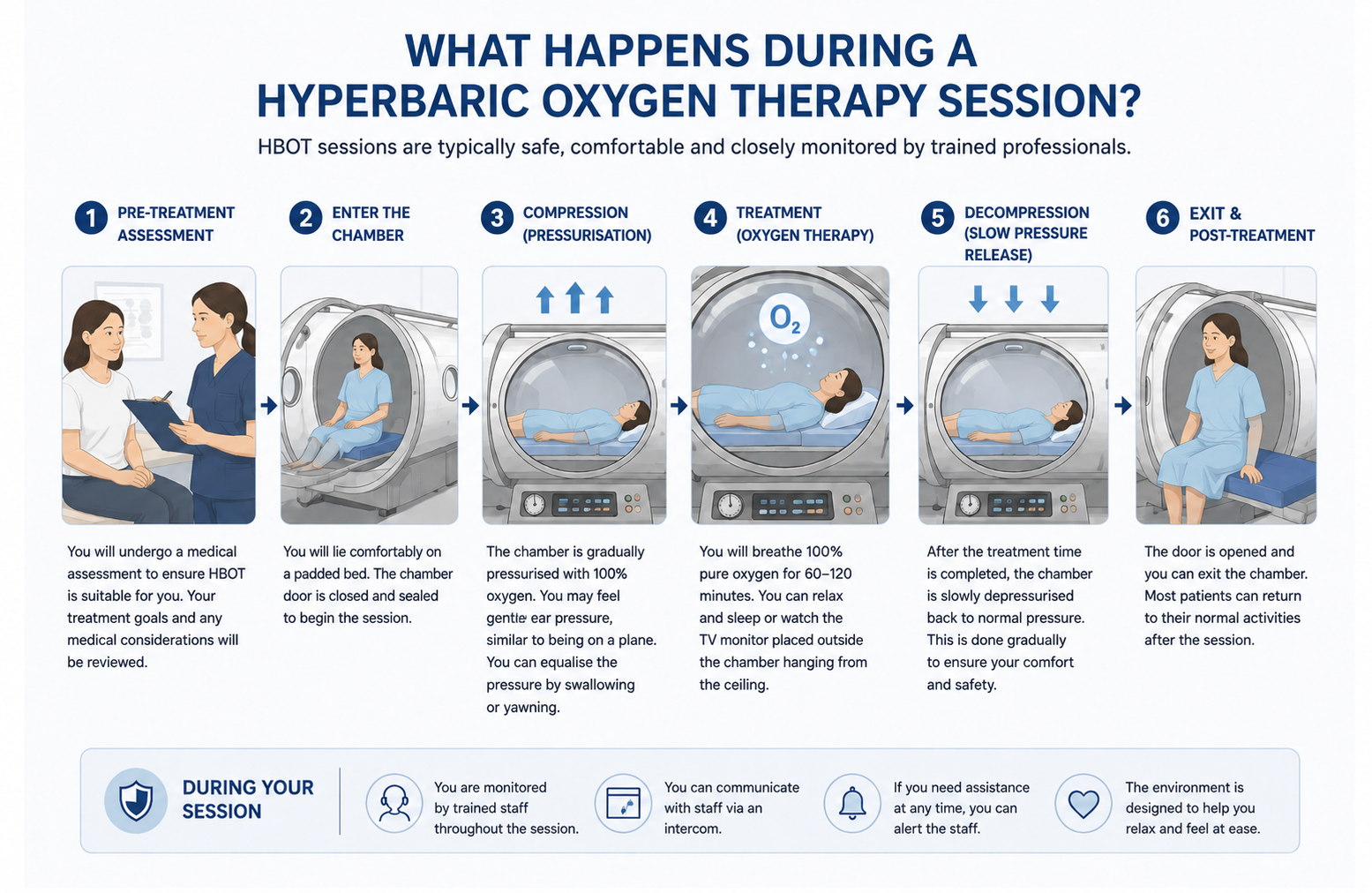
What happens during a hyperbaric oxygen therapy session?
The therapy begins with a medical assessment to determine whether treatment is appropriate for your condition. Because HBOT is typically used as part of a broader wound care or recovery plan, treatment is tailored according to the underlying cause of the healing concern.
Before treatment
Pre-Treatment Screening & Patient Comfort
Prior to commencing Hyperbaric Oxygen Therapy, every patient undergoes a comprehensive medical assessment to ensure treatment safety and suitability.
- Claustrophobia & Spatial Anxiety: Medical-grade monoplace chambers feature clear acrylic cylinders, internal climate control, and continuous two-way intercom communication.
- Medical History Review: Patients with a history of middle ear pressure issues, severe pulmonary disease, active seizure disorders, or recent neurological events (such as stroke) will be evaluated by the hyperbaric specialist to tailor a safe compression protocol.
The consultation focuses on understanding the factors affecting healing and whether HBOT may be beneficial.
- Review of medical history – The HBOT doctor will review existing medical conditions, previous surgeries, medications and factors that may influence healing, oxygen delivery or treatment safety.
- Evaluation of the wound or healing concern – the affected area is assessed to understand the severity of tissue damage, healing progress and any signs of compromised blood supply or delayed recovery.
- Discussion of treatment goals – the consultation explores what HBOT is intended to achieve, whether that is supporting wound healing, improving tissue recovery or reducing the risk of further complications.
- Assessment of HBOT suitability – not all wounds or healing concerns require HBOT. Your doctor will determine whether treatment is likely to be beneficial based on the underlying condition, overall health and available evidence.
- Explanation of risks, benefits and expected outcomes – the potential advantages, limitations, treatment schedule and realistic expectations are discussed so that you can make an informed decision about proceeding.
During treatment
Once treatment is recommended, sessions are performed within a specialised hyperbaric chamber under controlled conditions.
- Preparation for treatment – you will be guided through safety procedures and asked to remove certain items before entering the chamber.
- Entering the hyperbaric chamber – depending on the facility, treatment may take place in a single-person (monoplace) or multi-person (multiplace) chamber.
- Pressurisation phase – the chamber pressure is gradually increased. During this period, you may experience a sensation similar to changes in ear pressure during air travel. Techniques such as swallowing or yawning can help equalise pressure.
- Oxygen therapy session – once the prescribed pressure is reached, you will breathe high-concentration oxygen while resting comfortably inside the chamber. Sessions commonly last between 60 and 120 minutes, depending on the treatment protocol.
- Monitoring throughout treatment – the healthcare team continuously monitors your comfort and safety throughout the session.
- Completion and depressurisation – at the end of treatment, chamber pressure is gradually returned to normal before you leave the chamber and resume normal activities.
What to expect after a typical hyperbaric oxygen therapy session?
Most patients can return to their usual daily activities shortly after treatment. Immediately after a session, some patients may experience:
- Mild ear fullness or pressure changes
- Temporary fatigue
- Mild light-headedness
- Temporary changes in vision during prolonged treatment courses
These effects are usually temporary and resolve without intervention.
How healing progresses after hyperbaric oxygen therapy
Healing does not occur immediately after a single session. HBOT works by supporting biological processes involved in tissue repair, which develop gradually over time.
The rate of improvement varies depending on:
- The underlying wound or medical condition
- Blood supply to the affected tissues
- Presence of diabetes or vascular disease
- Smoking status
- Nutritional status
- Severity of tissue damage
- Adherence to wound care recommendations
- The total number of HBOT sessions completed
Some patients notice gradual improvements in wound appearance, tissue quality or recovery within weeks, while others may require a longer treatment course before measurable changes become apparent.
Because HBOT is usually one component of a broader treatment plan, outcomes are often influenced by the combined effects of surgery, wound care, manual lymphatic drainage (MLD), compression garments, medical management and overall health optimisation.
Hyperbaric oxygen therapy aftercare

HBOT generally requires minimal downtime, but ongoing wound care and medical management remain important.
Do
- Follow all wound care instructions
- Maintain adequate hydration
- Eat a balanced diet rich in protein
- Attend scheduled treatment sessions
- Continue prescribed medical treatments
- Monitor wounds for signs of improvement or complications
Avoid
- Smoking and nicotine products
- Missing follow-up appointments
- Discontinuing prescribed wound care
- Ignoring signs of infection or worsening symptoms
- Assuming HBOT alone can resolve the underlying condition
How many hyperbaric oxygen therapy sessions do I need?
The number of HBOT sessions varies considerably depending on the severity of the healing problem, the condition being treated and how the tissues respond during recovery.
For compromised healing and wound-related conditions, treatment often involves a series of sessions rather than a single treatment. Sessions typically last between 60 and 120 minutes and are commonly performed once daily, five days per week. Studies and clinical guidelines report that patients with chronic or non-healing wounds frequently undergo approximately 20 to 30 or more sessions, although individual requirements may vary.
In general:
- Milder healing concerns may require a shorter treatment course.
- Chronic wounds or complex tissue injuries often require multiple weeks of therapy.
- Radiation-related tissue damage may require longer treatment protocols.
- High-risk wounds with poor circulation may require extended treatment depending on progress.
Repeated exposure to pressurised oxygen is often necessary because many of the biological effects of HBOT, including angiogenesis (new blood vessel formation), collagen production and tissue remodelling, develop gradually over time rather than after a single session.
What is the cost of HBOT therapy in Singapore?
The cost of Hyperbaric Oxygen Therapy (HBOT) in Singapore varies depending on several factors, including the medical condition being treated, the treatment centre, the type of hyperbaric chamber used and the number of sessions required.
Because HBOT is typically performed as a course of treatment rather than a single session, the overall cost depends on your individual treatment plan. Patients with compromised wound healing or complex tissue injuries often require multiple sessions over several weeks.
Factors that may influence the overall cost include:
- The underlying condition being treated
- The number and duration of HBOT sessions required
- Whether treatment is performed in a hospital or specialised hyperbaric medicine centre
- The complexity of your overall wound care or recovery plan
HBOT can be a valuable adjunctive treatment in selected situations, but it is not appropriate for every wound, injury or medical condition. The effectiveness of HBOT depends on factors such as the underlying diagnosis, tissue health, blood supply and overall treatment objectives.
A medical assessment helps determine whether HBOT is likely to provide meaningful benefit, whether alternative treatments may be more appropriate, and whether any underlying conditions could affect treatment safety. It also allows the doctor to coordinate HBOT alongside other important aspects of care, such as wound management, surgical treatment, infection control and optimisation of medical conditions that may be affecting recovery.
By ensuring that treatment is tailored to the individual’s clinical needs, medical assessment helps maximise the potential benefits of HBOT while supporting safe and appropriate healing.
Book an appointment
Successful healing often depends on more than a single treatment. Identifying the factors affecting recovery, optimising wound care and selecting the most appropriate therapies are all important parts of the healing process.
If you are experiencing delayed healing, concerns about wound recovery or complications following surgery, Dr Pearlie Tan can assess your condition and advise whether additional measures, including referral for Medical Hyperbaric Oxygen Therapy when appropriate, may be beneficial as part of your overall treatment plan.
Book an appointment to discuss your recovery concerns and explore the most suitable options to support healing.
Frequently Asked Questions
What is the difference between hyperbaric oxygen therapy and standard wound care?
While both focus on wound healing, the two differ in terms of:
AREA | HBOT | STANDARD WOUND CARE |
Role | Adjunctive oxygen-support therapy | Foundation of wound management |
Purpose | Improves tissue oxygenation | Protects, cleans and manages the wound |
Used alone? | No | Often required for all wounds |
Best suited for | Selected compromised or non-healing wounds | Most surgical and open wounds |
Is hyperbaric oxygen therapy painful?
No, HBOT is generally not painful. The most common sensation is temporary pressure in the ears during chamber pressurisation, similar to what some people experience during air travel.
What are the signs of compromised healing?
Some of the signs are:
- Wounds that remain open longer than expected
- Persistent wound drainage
- Increasing redness or swelling
- Delayed recovery after surgery
- Areas of skin that appear dark, pale or poorly perfused
- Wounds that repeatedly break down after appearing to heal
- Slow healing in patients with diabetes or vascular disease
What is the success rate of hyperbaric oxygen therapy?
Success rates vary depending on the condition being treated, the severity of tissue damage and the overall treatment plan. HBOT is generally considered an adjunctive therapy and is most effective when used alongside appropriate medical, surgical and wound care management.
How should I prepare for a hyperbaric oxygen therapy session?
Patients are typically advised to come into the facility wearing suitable clothing and will be requested to change into comfortable cotton-only clothes. Avoid make-up, perfume, wearing jewellery and follow any instructions provided by the treatment centre. Your healthcare team will provide specific preparation guidelines before treatment.
Can hyperbaric oxygen therapy help speed up wound healing?
HBOT may support healing in selected patients by improving tissue oxygenation and supporting biological processes involved in tissue repair. The degree of improvement varies between individuals and underlying conditions.
Is hyperbaric oxygen therapy suitable for every slow-healing wound?
No, suitability depends on the cause of delayed healing, blood supply, infection control, wound status and overall medical condition.
Can hyperbaric oxygen therapy help with wound healing after surgery?
Hyperbaric Oxygen Therapy (HBOT) can be considered for selected patients to enhance recovery and manage post-operative healing complications. It is particularly beneficial for individuals experiencing delayed wound healing, compromised tissue blood supply, or microvascular complications following surgery.
A core advantage of HBOT is its ability to accelerate the reduction of post-surgical swelling (oedema). Excessive swelling places physical pressure on micro-blood vessels, restricting local tissue perfusion and limiting oxygen flow to healing tissues. By rapidly resolving oedema, HBOT restores microvascular circulation and delivers high concentrations of oxygen directly to the surgical site. Accelerating early wound healing directly lowers the risk of common post-operative complications i.e. wound breakdown and dehiscence, infections and poor scarring.
Is hyperbaric oxygen therapy a replacement for surgery or wound care?
No, HBOT is considered an adjunctive treatment and does not replace appropriate surgical management, wound care, infection treatment or medical therapy.
Is hyperbaric oxygen therapy covered by insurance in Singapore?
Coverage varies depending on the insurer, policy terms and medical indication. Patients should check directly with their insurance provider regarding eligibility and reimbursement.
Where can I get hyperbaric oxygen therapy in Singapore?
HBOT is available at selected hospitals and specialised hyperbaric medicine centres in Singapore. A referral may be recommended depending on the condition being treated.
Is hyperbaric oxygen therapy approved for wound healing?
HBOT is recognised for certain wound-related and tissue-healing indications. However, suitability depends on the specific diagnosis and should be assessed by a doctor.
Can hyperbaric oxygen therapy help after plastic surgery?
In selected high-risk situations involving compromised healing, reduced blood supply or wound complications, HBOT may be considered as an adjunctive treatment to support tissue recovery. Your surgeon can advise whether referral is appropriate.
How soon will I notice results from hyperbaric oxygen therapy?
The timeline varies according to the condition being treated. Some patients notice gradual improvements within weeks, while others require a longer treatment course before meaningful changes become apparent.
Does hyperbaric oxygen therapy improve blood circulation?
HBOT does not directly create new circulation immediately, but it may stimulate angiogenesis and improve oxygen delivery to tissues, which can support recovery in selected healing conditions.
Can smokers undergo hyperbaric oxygen therapy?
Smoking can impair oxygen delivery and wound healing. Patients are often advised to stop smoking before and during treatment to optimise the potential benefits of HBOT.
Is hyperbaric oxygen therapy safe for diabetic wounds?
Yes. Hyperbaric Oxygen Therapy (HBOT) is an established, evidence-backed adjunct treatment for diabetic foot ulcers, particularly for chronic, non-healing wounds or those at high risk of complications.