
Manual Lymphatic Drainage (MLD) Massage

Overview
Purpose | Supports lymphatic circulation, helps manage post-operative swelling, promotes faster resolution of swelling and a smoother, more comfortable recovery after plastic surgery. |
Recommended for | Patients recovering from procedures where temporary swelling is expected, such as liposuction, abdominoplasty, body contouring and facial surgery. |
Provided by | A trained therapist recommended by Dr Pearlie Tan as part of your personalised post-operative recovery plan. |
Technique | Gentle, anatomically guided movements following the body’s natural lymphatic pathways, combined with post massage LED light therapy |
Session time | Approximately 45–60 minutes (may vary depending on the treatment area) |
Downtime | None. Patients can usually resume normal daily activities immediately unless otherwise advised. |
Treatment course | The number of sessions and when treatment starts depends on the procedure performed. |
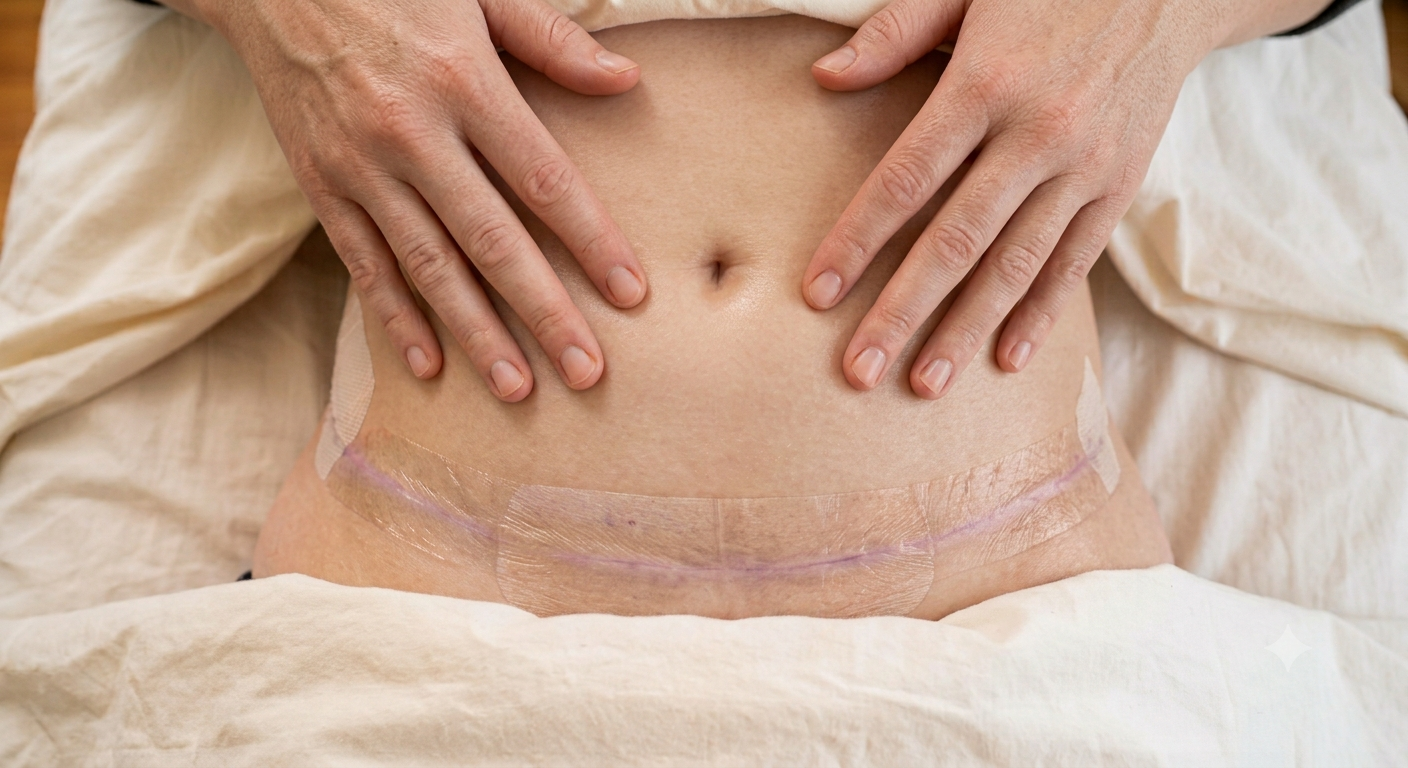
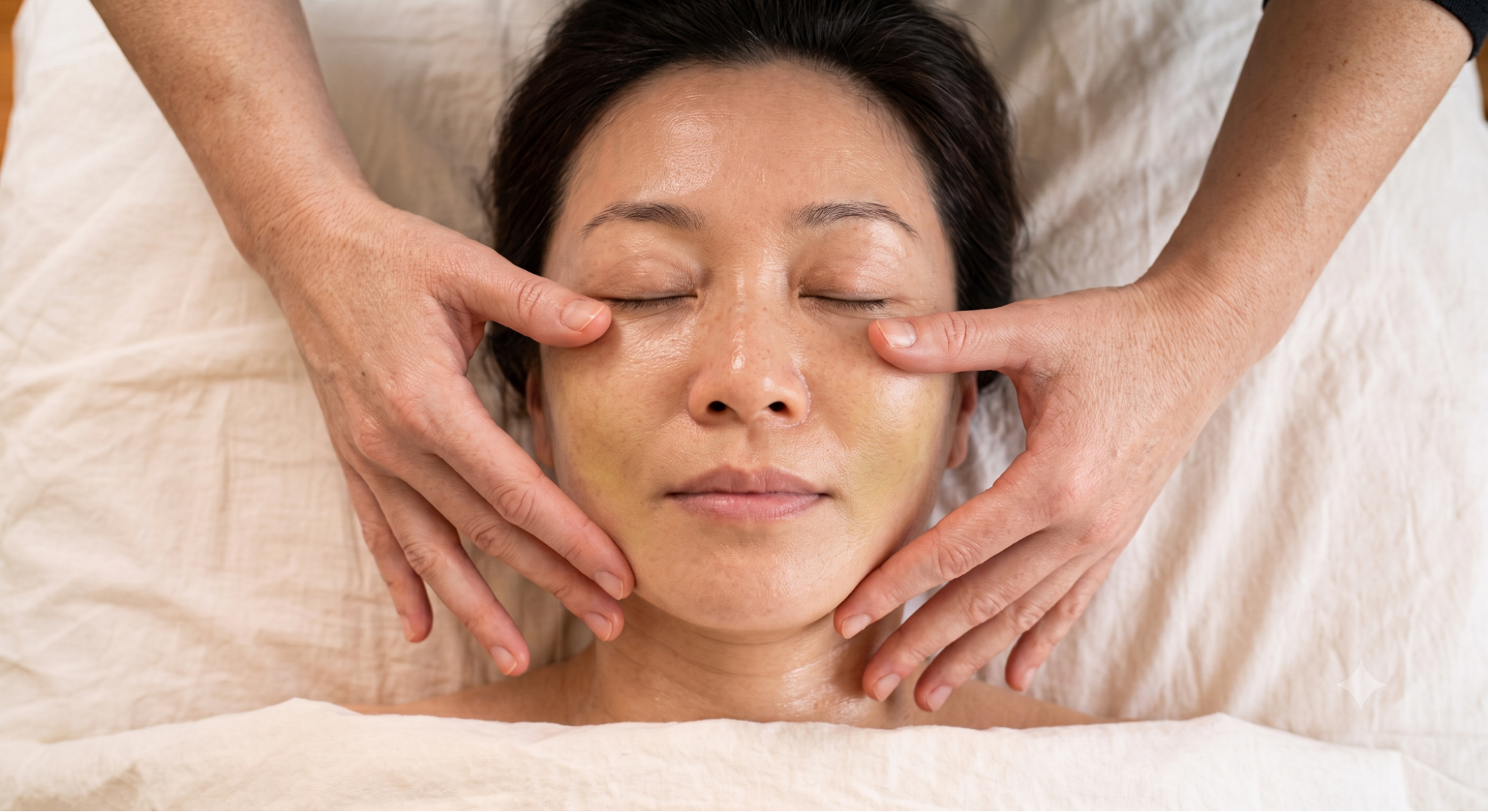
After plastic surgery, swelling is a normal and expected part of the healing process. As the body repairs surgical tissues, fluid naturally accumulates around the treated areas, contributing to temporary swelling, tightness and changes in contour. While this swelling gradually settles over time, Manual Lymphatic Drainage (MLD) is commonly incorporated into post-operative recovery to support lymphatic circulation, encourage the body’s natural movement of excess fluid and promote a more comfortable healing process.
Manual Lymphatic Drainage (MLD) is also highly effective for post-operative recovery, particularly when it comes to preventing and treating fibrosis (the formation of thick, dense, or woody scar tissue that often develops after surgical trauma like liposuction, abdominoplasty, or facelifts).
Manual Lymphatic Drainage is a specialised therapeutic technique that uses gentle, anatomically guided movements to encourage lymphatic flow through the body’s natural drainage pathways. Unlike traditional massage, MLD does not involve deep pressure, kneading or forceful manipulation of tissues. Instead, it is specifically designed to work with the lymphatic system while respecting healing tissues during recovery.
What is the lymphatic system?
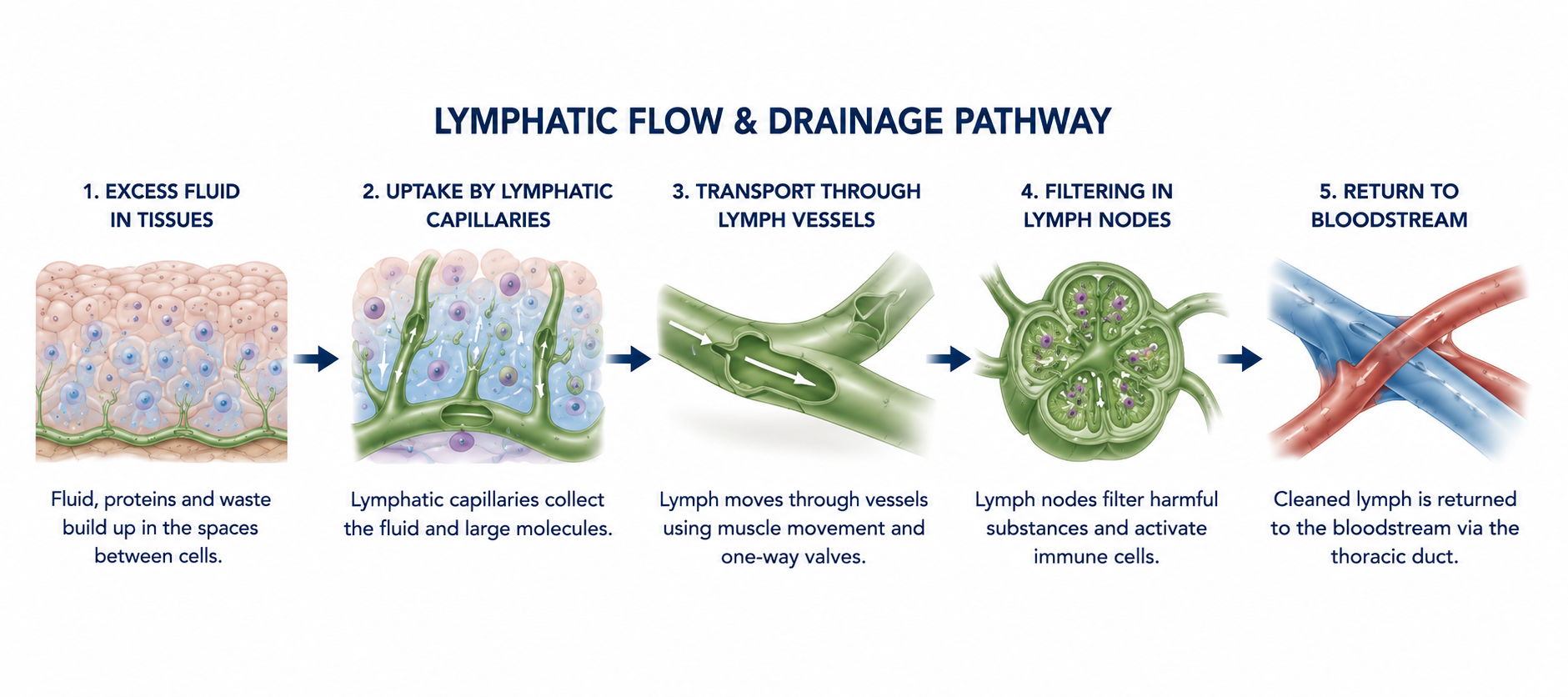
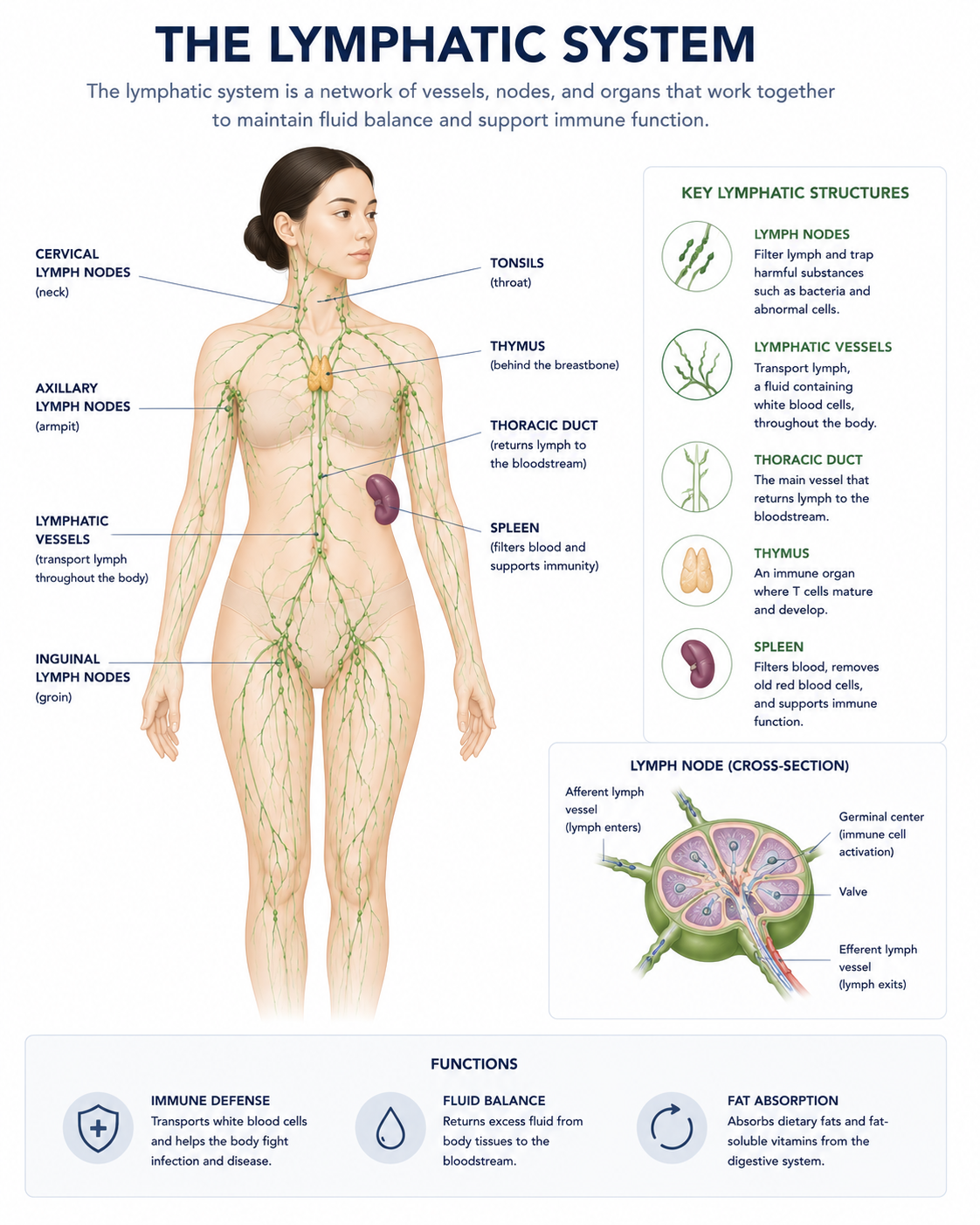
To understand why Manual Lymphatic Drainage (MLD) is used, it helps to first understand the role of the lymphatic system. Every day, fluid moves between the bloodstream and surrounding tissues. While much of this fluid is reabsorbed into the circulation, some is collected by the lymphatic system, a network of lymphatic vessels, lymph nodes and lymphatic organs that helps maintain fluid balance, supports immune function and removes waste products from the tissues.
When lymphatic drainage is temporarily overwhelmed, such as after surgery, excess fluid can accumulate within the tissues, contributing to swelling and discomfort.
Why does swelling occur?
In many situations, swelling occurs because fluid accumulates within the tissues faster than it can be removed.
Common causes include:
- Surgical procedures
- Trauma or injury
- Inflammation
- Reduced mobility
- Certain medical conditions
- Temporary disruption of lymphatic flow
After surgery, swelling is a normal part of the healing process. The body increases blood flow and inflammatory activity to support tissue repair. During this period, fluid accumulation may exceed the capacity of the lymphatic system to clear it efficiently.
This is one reason why swelling can persist for weeks or months following certain procedures, even when healing is progressing normally.
How does manual lymphatic drainage work?
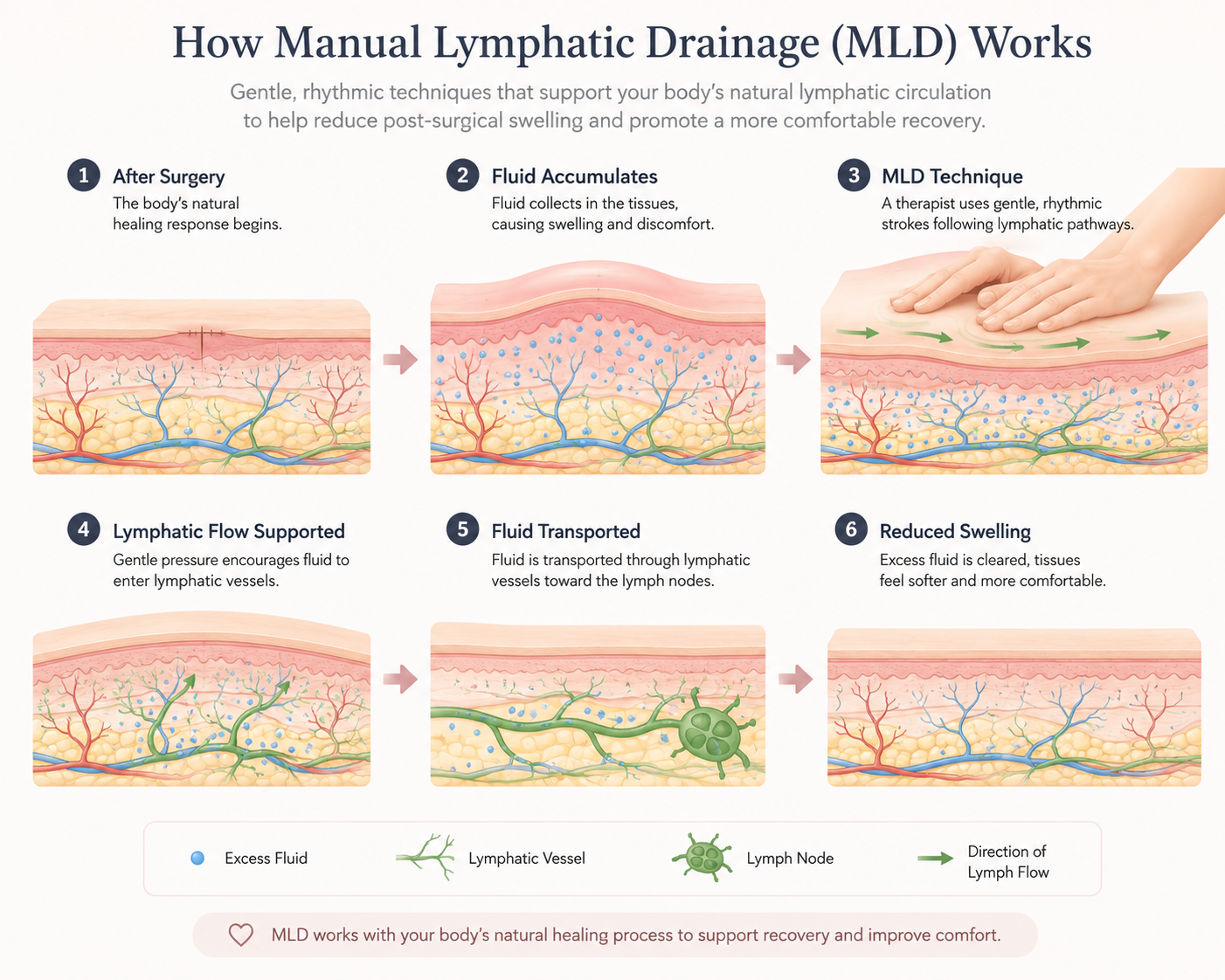
The lymphatic system differs from the circulatory system because it does not have a central pump equivalent to the heart.
Instead, lymph movement relies on several mechanisms, including:
- Muscle activity
- Breathing movements
- Vessel contractions
- Body movement
- Pressure gradients
MLD works by applying gentle, carefully directed movements that help stimulate lymphatic vessel activity and encourage fluid transport. Ultimately, the fluid drains into the larger vessels that transport this fluid back to the right side of the heart.
The treatment aims to:
- Encourage lymphatic flow – specialised techniques help direct fluid toward functioning lymphatic pathways and lymph nodes.
- Support fluid redistribution – areas experiencing congestion may benefit from improved movement of excess tissue fluid.
- Promote tissue softening – swollen tissues can sometimes feel firm, tight or uncomfortable. As fluid distribution improves, tissues will feel softer and less restricted.
- Support the healing process – by assisting fluid management, MLD creates favourable conditions for the body’s natural recovery.
The Link Between Post-Op Fluid and Fibrosis
During a surgical procedure, blood vessels and lymphatic pathways are severed, and space is created under the skin. This triggers an inflammatory response, flooding the area with interstitial fluid, plasma proteins, and white blood cells.
If this fluid stagnates (forming seromas or chronic localised edema), the body treats the stagnant pool of protein-rich fluid as a matrix. It sends in fibroblasts to lay down collagen fibers directly into the fluid pool to patch things up. If left untreated, this unorganised collagen matrix hardens into fibrotic nodules, ridges, or generalized “woody” induration.
MLD directly intervenes in this process through two distinct mechanisms: preventative fluid clearing and mechanical tissue remodeling.
Phase 1: Prevention (The Acute Stage)
In the first 1 to 2 weeks post-op, MLD is performed using extremely light, rhythmic, skin-stretching strokes.
- Opens Alternative Pathways — Because the local lymphatic vessels are damaged, MLD uses specific anatomical pathways to redirect stagnant fluid toward intact, functional lymph node basins (e.g., clearing the abdomen toward the axillary or inguinal nodes).
- Decongests the Interstitial Space — By physically pushing high-molecular-weight proteins and fluid into the working lymphatic capillaries, MLD prevents the “pool” from stagnating. No stagnant protein pool means fibroblasts lose the scaffolding they need to build excessive, chaotic fibrotic tissue.
Phase 2: Remodeling Established Fibrosis (The Sub-Acute Stage)
Once fibrosis has already begun to form (typically appearing around weeks 3 to 6 as hard, uneven lumps), the MLD technique changes. The therapist transitions from light fluid drainage to fibrosis-specific maneuvers (such as specialized rotary techniques, stationary circles, and tissue rolling).
- Mechanotransduction — Applying targeted, gentle mechanical stress to fibrotic tissue sends a signal to the cells (a process called mechanotransduction). This signal tells the fibroblasts to alter their behavior, down-regulating the production of dense Type I collagen.
- Stimulating Collagenase — The mechanical movement stimulates the production of collagenase, an enzyme naturally produced by the body to break down excess, disorganized collagen bonds.
- Realigning Fiber Direction — Established fibrosis is a chaotic “bird’s nest” of collagen fibers. The directional strokes of advanced post-op manual therapy help physically stretch and realign these fibers so they lie parallel to the skin’s natural tension lines, making the tissue pliable and smooth again.
Protocol Synergy
For optimal results in managing post-op fibrosis, MLD is most effective when paired with continuous compression therapy (like medical-grade garments and foam pads). The foam distributes the garment’s pressure evenly, preventing fluid from pooling in structural creases, while the MLD continuously clears the mobilized fluid out of the surgical zone.
How is manual lymphatic drainage different from traditional massage?
Many patients expect MLD to feel similar to a deep tissue or relaxation massage. In reality, the techniques are fundamentally different.
Manual Lymphatic Drainage (MLD) | Traditional Massage |
Gentle, slow, rhythmic hand movements | Firm kneading and muscle compression |
Hands glide lightly over the skin | Deep pressure into muscles |
Follows specific lymphatic pathways | Focuses on muscle groups and trigger points |
Small, repetitive circular or pumping motions | Long strokes, squeezing and kneading |
Minimal skin movement and no discomfort | Deeper tissue movement, may feel sore afterwards |
Designed to support lymphatic circulation | Designed to relieve muscle tension |
One of the most common misconceptions is that stronger pressure produces better lymphatic drainage.
In fact, excessive pressure may compress delicate lymphatic vessels and become counterproductive to the treatment objective.
What types of plastic surgery can benefit from manual lymphatic drainage?
Manual Lymphatic Drainage (MLD) is commonly incorporated into post-operative recovery plans for procedures where temporary swelling is expected as part of the healing process. Dr Pearlie always encourages MLD to start soon after certain procedures, such as
- Liposuction
- Abdominoplasty
- All body contouring surgery
- Brachioplasty
- Thigh reduction surgery
- Facial lift surgery
MLD may also be beneficial after certain non-surgical aesthetic treatments that result in temporary swelling. The timing and suitability of treatment depend on the procedure performed and should always follow your surgeon’s recommendations.
Why is manual lymphatic drainage commonly recommended after plastic surgery?
Swelling is an expected part of the healing process after surgery. While this is normal, prolonged swelling can sometimes contribute to:
- Tissue tightness and feeling of “woodiness”.
- Discomfort
- Temporary contour distortion
- Reduced mobility
- Delayed appreciation of surgical results
Following procedures such as liposuction, some patients may also experience temporary tissue firmness as healing progresses. Where appropriate, Manual Lymphatic Drainage (MLD) may be incorporated into the recovery plan to support tissue mobility alongside the body’s normal healing process.
Why does therapist experience matter after plastic surgery?
Although Manual Lymphatic Drainage (MLD) uses gentle techniques, it is a specialised treatment that requires a detailed understanding of both the lymphatic system and the body’s healing process after surgery. Effective treatment involves more than simply performing massage strokes—it requires knowing how healing tissues respond at different stages of recovery and adapting the technique accordingly.
At Pearl Plastic Surgery, MLD is performed by a trained therapist recommended by Dr Pearlie Tan as part of your personalised post-operative recovery plan, depending on the procedure performed and your stage of healing.
A therapist providing post-operative MLD should understand:
- Lymphatic anatomy and physiology
- Surgical recovery and wound healing
- Fluid movement and tissue changes after surgery
- Appropriate pressure and treatment techniques
- Contraindications and situations where treatment should be delayed or avoided
This is particularly important after plastic surgery, where tissues are still healing and recovery varies between procedures and individuals. Using excessive pressure or treating the wrong areas may place unnecessary stress on healing tissues.
By tailoring treatment to your surgical procedure, recovery progress and Dr Pearlie Tan’s recommendations, MLD can be performed safely and appropriately to support your post-operative recovery.
What happens during a manual lymphatic drainage consultation?
Before recommending Manual Lymphatic Drainage, Dr Pearlie Tan assesses your surgical procedure, stage of healing and recovery progress to determine whether treatment is appropriate. Once recommended, the therapist also evaluates the treatment area before each session so the technique can be tailored to your recovery.
What happens during a manual lymphatic drainage session?
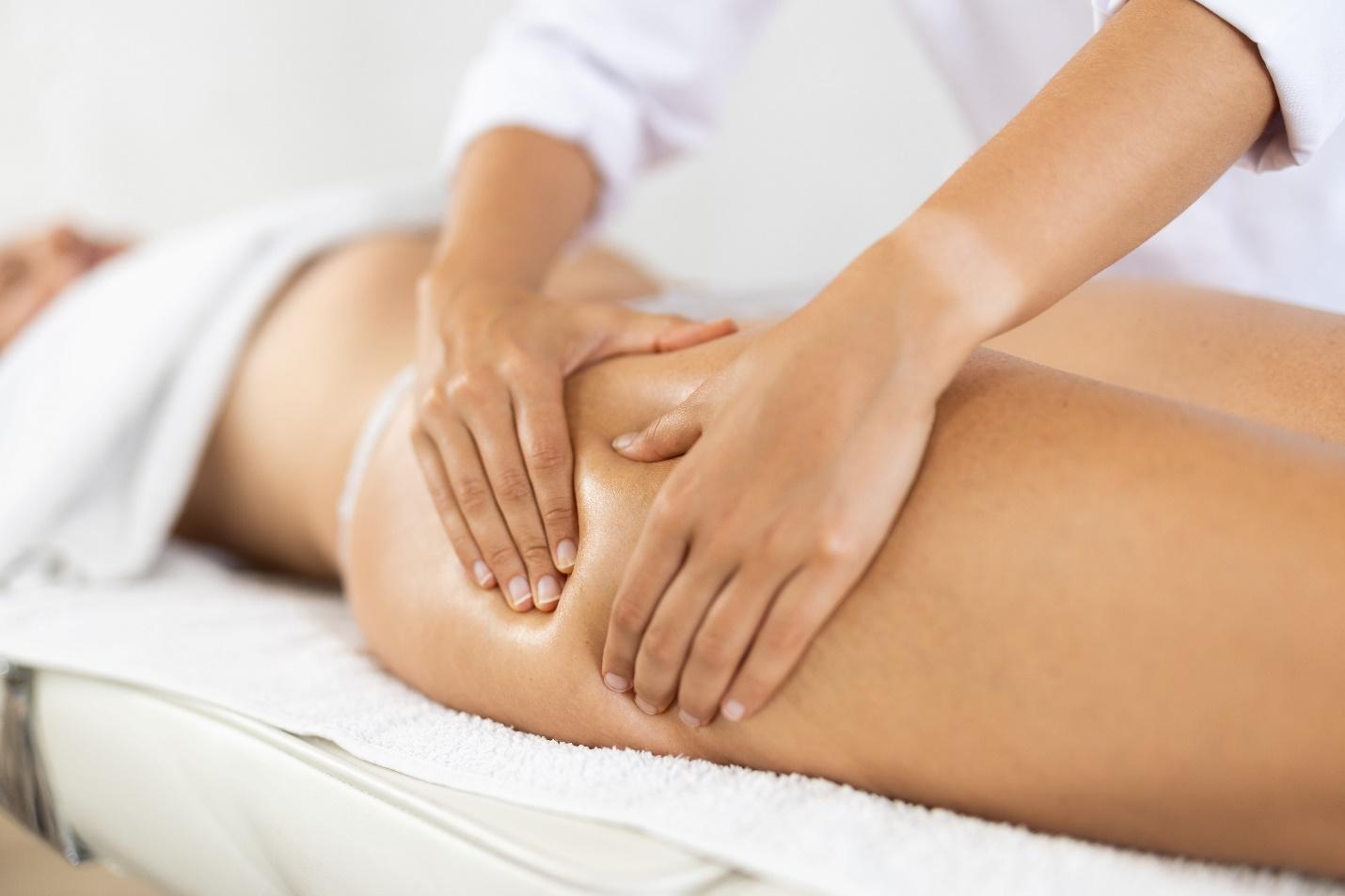
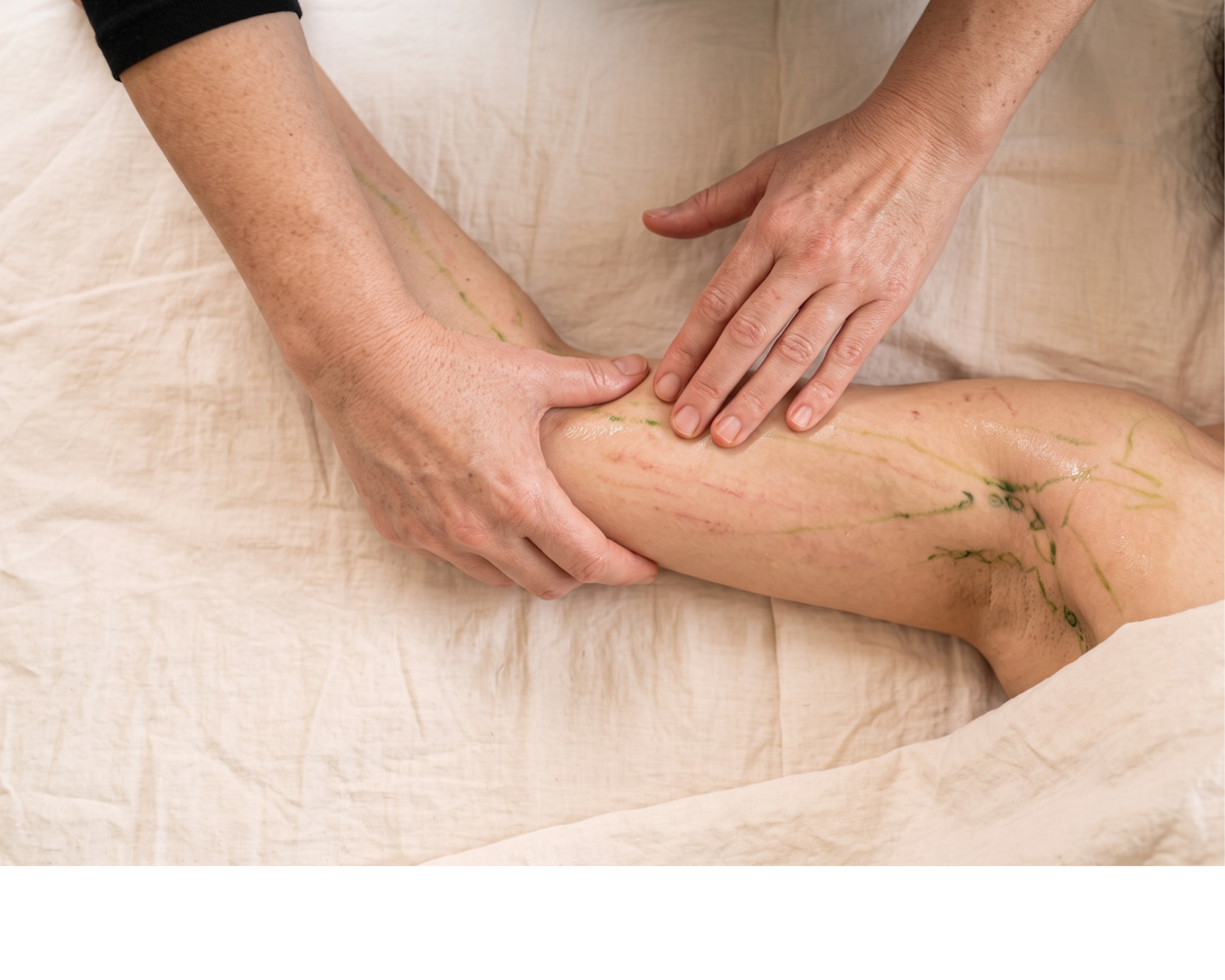
Manual Lymphatic Drainage is performed using gentle, rhythmic hand movements that follow the body’s natural lymphatic pathways. The treatment is designed to be comfortable and should not feel painful.
- Assessment – areas of swelling, fluid retention or recovery concerns are reviewed.
- Lymphatic pathway preparation – treatment often begins by stimulating key lymphatic drainage regions.
- Directed lymphatic techniques – gentle, rhythmic movements are applied according to established lymphatic pathways.
- Progressive fluid movement – techniques are used to encourage fluid movement from congested regions toward functioning drainage pathways.
- Recovery guidance – patients may receive recommendations regarding hydration, mobility and post-treatment care.
What results can manual lymphatic drainage help support?
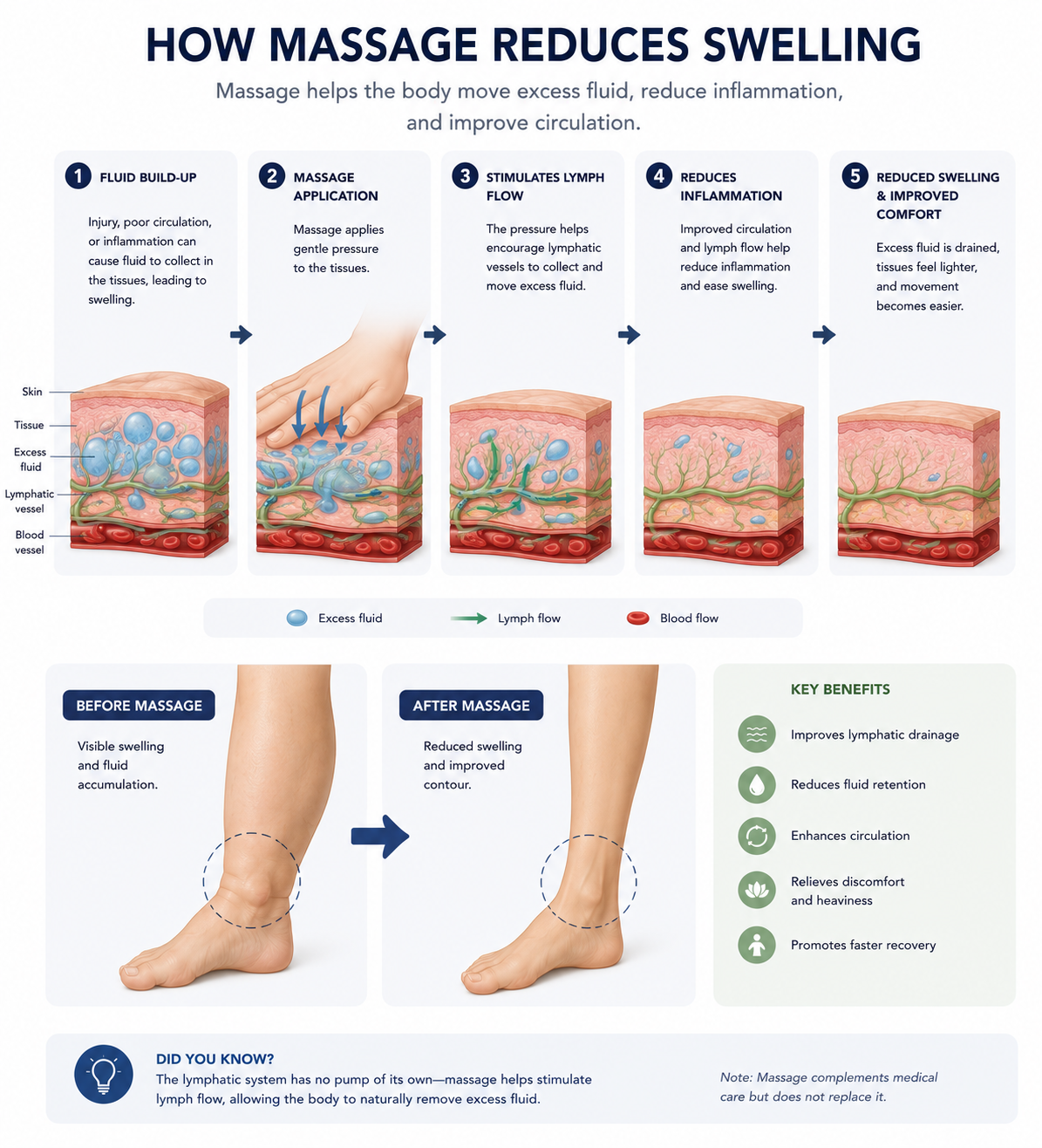
The goal of MLD is not to produce immediate dramatic changes but to support the body’s natural physiological processes.
Potential benefits include:
- Faster resolution of swelling
- Improved comfort as tissues feel softer.
- Enhanced recovery support
- Better appreciation of post-surgical contours as swelling settles faster.
- Overall improvement in patient’s well-being as they feel well looked after post-surgery and always feel relaxed throughout and after the massage.
However, individual responses vary depending on the underlying cause of swelling and the stage of recovery.
Why choose Pearl Plastic Surgery for post-operative Manual Lymphatic Drainage?
Recovery is an important part of achieving the best possible outcome after plastic surgery. While swelling gradually settles as healing progresses, the recovery process continues well beyond the day of surgery.
At Pearl Plastic Surgery, Manual Lymphatic Drainage is not provided as a standalone massage treatment. When appropriate, it may be recommended by Dr Pearlie Tan as part of your personalised post-operative recovery plan and is performed by a trained therapist experienced in caring for patients after plastic surgery.
Because every procedure and recovery timeline is different, treatment is tailored to your surgical procedure, stage of healing and individual recovery needs. This coordinated approach helps ensure that MLD is introduced safely and at the appropriate time, complementing your overall surgical recovery.
Book a personalised consultation
Not every patient will require Manual Lymphatic Drainage as part of their recovery. The need for treatment depends on the type of procedure performed, the extent of post-operative swelling and your individual healing progress.
While planning for your procedure and surgery, Dr Pearlie Tan will advise early on whether MLD will be beneficial, as well as the most appropriate time to begin treatment. Because successful outcomes depend not only on the surgery itself but also on optimised post-operative care, recovery is approached as an integral part of your treatment journey.
Book an appointment learn more about post-operative recovery and whether Manual Lymphatic Drainage may be appropriate for you.
Surgery Creates the Shape, Healing Reveals It
Frequently Asked Questions
Is lymphatic drainage painful?
MLD is generally considered a gentle and comfortable treatment. Most patients describe it as very relaxing rather than painful. The massage improves the patient’s overall feeling of well-being and enhances their recovery experience.
Is manual lymphatic drainage the same as a regular massage?
No, MLD is a specialised therapeutic technique that focuses on lymphatic circulation rather than muscle relaxation. The pressure used is significantly lighter than traditional massage.
Can I have Manual Lymphatic Drainage at a spa after plastic surgery?
Following plastic surgery, MLD should only be performed once your surgeon advises it is safe to begin. Because healing tissues require specialised care, treatment is ideally performed by a trained therapist working as part of your surgeon’s post-operative recovery plan.
Why is MLD so gentle?
Lymphatic vessels are located close to the skin surface. Excessive pressure may compress these vessels and reduce treatment effectiveness.
What does lymphatic drainage massage feel like?
MLD is typically very gentle and relaxing. Unlike deep tissue massage, it uses light rhythmic movements designed to encourage lymphatic circulation rather than target muscle tension.
Does MLD remove fat?
No, MLD does not remove fat cells or function as a weight-loss treatment. Its primary purpose is to support lymphatic circulation and fluid management.
Does manual lymphatic drainage speed up recovery after surgery?
MLD does not change the surgical healing process itself, but it supports the body’s natural recovery by helping manage fluid balance and reducing swelling faster. This makes the recovery phase feel more comfortable and may help patients appreciate surgical results earlier as swelling settles.
Is lymphatic drainage massage necessary after liposuction?
MLD is highly recommended after liposuction because a lot of swelling and fluid shifts are expected during recovery. Liposuction often results in fibrosis and early MLD helps to soften fibrotic tissue, making the underlying skin feel softer. MLD will help support comfort, tissue softness and aids in faster resolution of post-operative swelling.
How soon after surgery can I start MLD?
This varies between procedures and individuals. Dr Pearlie usually advises MLD to start as early as within the first 2 days for procedures such as liposculpture or 14 days post traditional abdominoplasty (tummy-tuck) to provide meaningful benefits. In certain situations, some patients may need to wait a bit longer depending on surgical complexity and healing response. Treatment should always follow the operating surgeon’s instructions.
How many MLD sessions will I need?
The number of sessions depends on the procedure performed, the extent of swelling and individual recovery patterns. Some patients benefit from a short course of sessions (5–7), while others require ongoing support over a longer period (10–14 sessions).
Can I perform lymphatic drainage on myself?
Basic self-massage techniques exist, but post-surgical lymphatic drainage is more complex and requires an understanding of anatomy, healing tissues and safe pressure application. For this reason, professional treatment is generally recommended after surgery.
Who should avoid MLD?
Certain medical conditions may require caution or avoidance of treatment, including active infections, and specific vascular disorders. It is rare that someone is not suitable for MLD and suitability will always be assessed during consultation.
Can MLD help reduce post-surgical swelling?
MLD is commonly used to support lymphatic circulation and assist the body’s natural management of post-operative swelling during recovery.