
Facelift Surgery in Singapore

Overview
Purpose | Rejuvenates the face and neck by lifting and repositioning underlying tissues, reducing sagging skin and restoring a more youthful, natural-looking facial contour. |
Recommended for | Individuals with moderate to severe facial sagging, jowls, deep nasolabial folds, loose neck skin, or age-related loss of facial definition seeking long-lasting improvements. |
Surgery time | Approximately 6-10 hours, depending on the surgical technique, extent of correction and whether additional procedures are performed at the same time. |
Hospital stay | Usually performed as a day procedure or with an overnight hospital stay, depending on the extent of surgery and individual recovery requirements. |
Recovery | Initial swelling and bruising typically improves within 2-3 weeks. Residual swelling continues to settle over several months, with scars gradually maturing and final results becoming more apparent as healing progresses. |
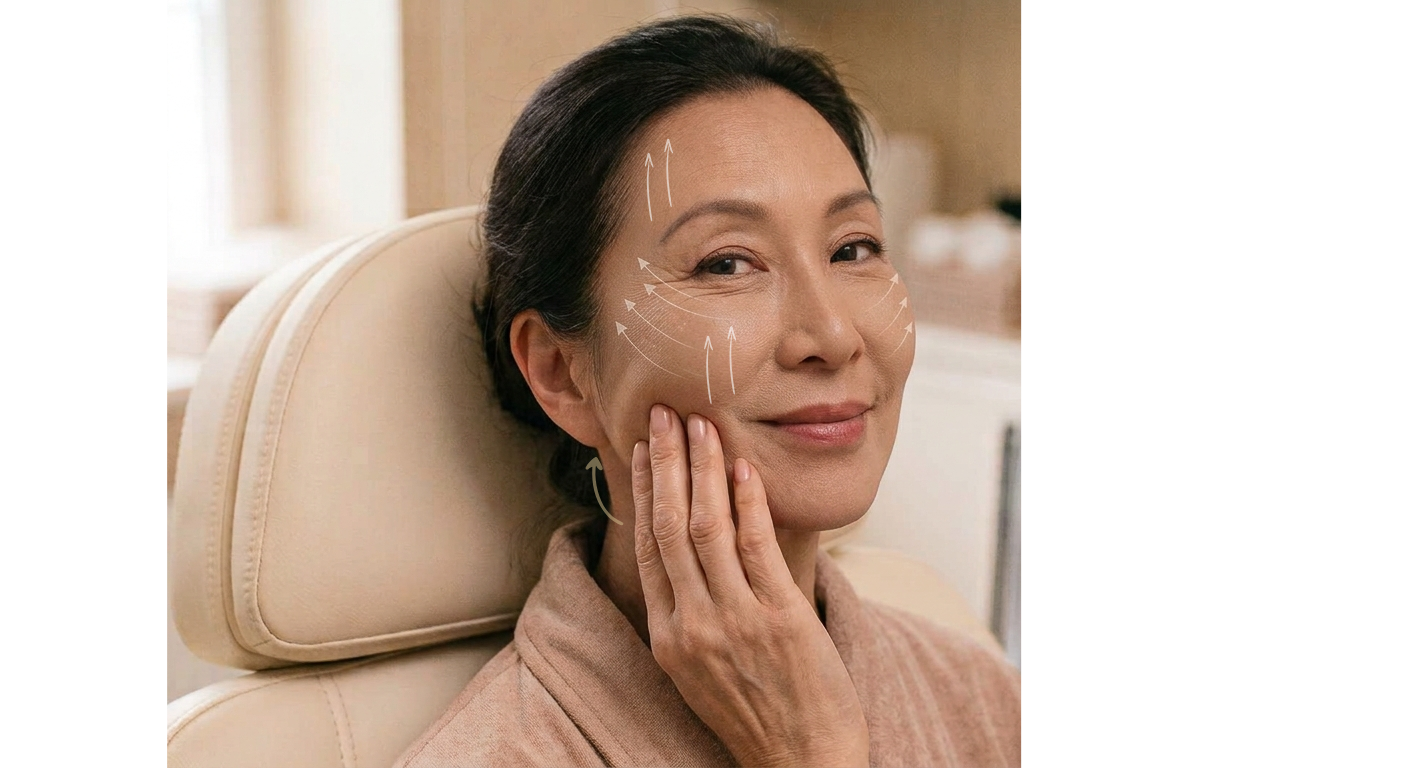
As our understanding of facial ageing has evolved, the facelift has evolved alongside it. Modern techniques are designed to address the bigger structural changes that contribute to an aged appearance rather than focusing solely on skin tightening.
A facelift is a surgical procedure designed to improve facial contours affected by tissue descent and age-related structural changes. Many assume a facelift works by simply pulling the skin tighter, instead, the procedure focuses on repositioning deeper tissues that have shifted over time before the skin is carefully redraped over the newly restored contours.
Depending on the individual’s anatomy and treatment goals, a facelift is designed to:
- Rejuvenate the face to its more youthful visage
- Improve jawline definition
- Reduce jowl prominence
- Improve neck contours
- Restore facial balance
- Reposition descended tissues
- Create smoother transitions between facial regions
The goal is not to create a dramatically different appearance, but to restore contours that have gradually changed through the ageing process.
How does
ageing lead to facial laxity?
Facial laxity is a normal part of ageing. However, it is not simply the skin becoming loose. It is the visible result of reduced structural support across multiple layers of the face.
As these changes progress together, they can lead to:
- Gradual descent of facial tissues as support structures weaken
- Softening of the jawline and early jowl formation
- Deepening of nasolabial folds and marionette lines due to downward tissue shift
- Midface flattening or descent, reducing youthful cheek support
- Neck laxity, as skin and deeper tissues lose tension
- A more tired or heavy facial appearance, even in rested individuals
What are the benefits of a facelift?
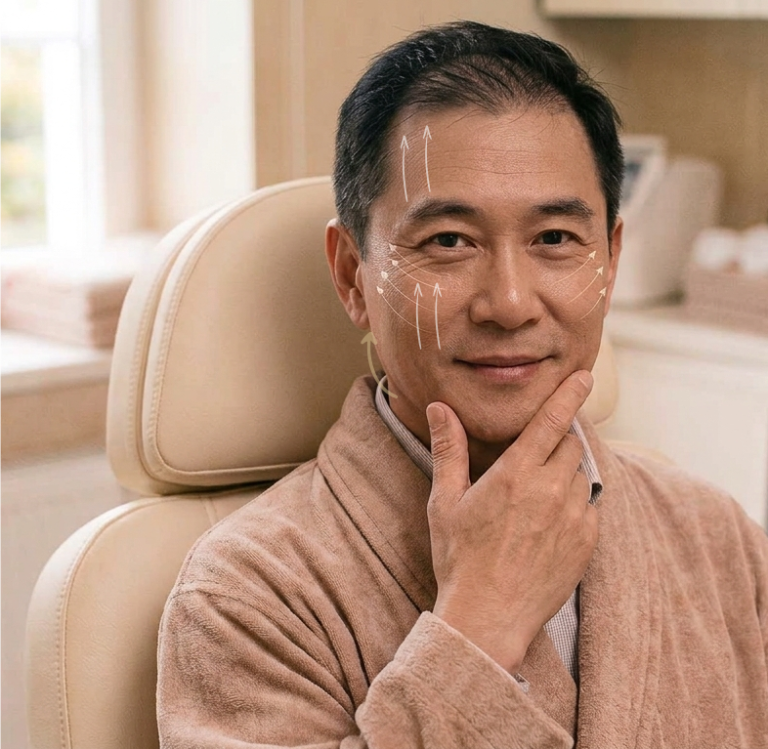
A facelift is designed to address multiple age-related changes in the lower face and neck simultaneously, helping to create a more balanced and refreshed appearance.
Some of the key benefits include:
- A more defined jawline – lifting and repositioning descended tissues can improve jawline contours and reduce the appearance of jowls, creating a sharper and more youthful facial profile.
- Smoother contours around the mouth – a facelift can soften the appearance of deep nasolabial folds and marionette lines that develop as facial tissues gradually descend over time.
- Improved facial definition and balance – restoring support to the lower face can enhance the transition between the cheeks, jawline and neck, resulting in a more sculpted appearance.
- A firmer, more refined neck contour – tightening loose tissues beneath the chin and along the neck can improve neck definition and reduce the appearance of sagging.
- Comprehensive rejuvenation of the lower face and neck – because ageing changes often affect several areas at once, a facelift addresses these concerns together to achieve harmonious and natural-looking results.
Rather than focusing on a single feature, facelift surgery aims to improve the overall relationship between the lower face, jawline and neck, helping patients achieve a refreshed appearance that remains balanced and proportionate.
Deep Plane
Face and Neck-Lift
No two faces age in the same way, which means that a facelift is highly individualised. The most appropriate technique depends on the degree of ageing, facial anatomy, skin quality and treatment objectives.
Deep plane facelift
A deep plane facelift aims to address ageing changes occurring within facial structures.
Rather than separating the skin extensively from the tissues beneath it, the deeper facial layers are mobilised and repositioned together. This allows more comprehensive correction of tissue descent affecting the cheeks, jawline and lower face.
A deep plane facelift will be considered when patients experience:
- Significant jowl formation
- Midface descent
- Deepening nasolabial folds
- Loss of facial contour and support
By restoring deeper anatomical relationships, the procedure can create meaningful improvement while preserving natural facial movement and expression.
Because deeper structures are being repositioned, recovery may be somewhat longer than less extensive facelift procedures, with results continuing to refine over several months.
Facelift with neck treatments
For many patients, ageing affects not only the face but also the neck.
Loss of jawline definition, loose neck skin and changes beneath the chin often occur alongside facial tissue descent. Treating the face alone may therefore result in an incomplete rejuvenation if neck ageing remains unaddressed. When appropriate, a facelift is best combined with neck-tightening techniques to improve the transition between the face, jawline and neck.
This combined approach will help:
- Improve neck laxity
- Enhance jawline definition
- Reduce heaviness beneath the chin
- Create a smoother facial profile
- Restore balance between the face and neck
By addressing both regions together, the overall result often appears more harmonious and natural.
Although the names of these procedures differ, the underlying principle remains the same: restoring facial support structures that have changed over time. The most appropriate technique depends on the individual’s anatomy, degree of ageing, tissue quality and treatment goals, which is why careful assessment is an important part of facelift planning.
Restore definition, improve facial contours and achieve long-lasting results tailored to your features.
Who may be
suitable for a facelift?
A facelift surgery is generally considered by individuals who feel that age-related changes in the lower face and neck no longer reflect how youthful or energetic they feel.
You may be a suitable candidate if you:
- Notice jowls or loss of jawline definition
- Have loose skin along the lower face or neck
- Feel that facial tissues have begun to descend over time
- Are looking for longer-lasting improvement than non-surgical treatments can provide
- Are in good general health and have realistic expectations
What happens during a facelift?
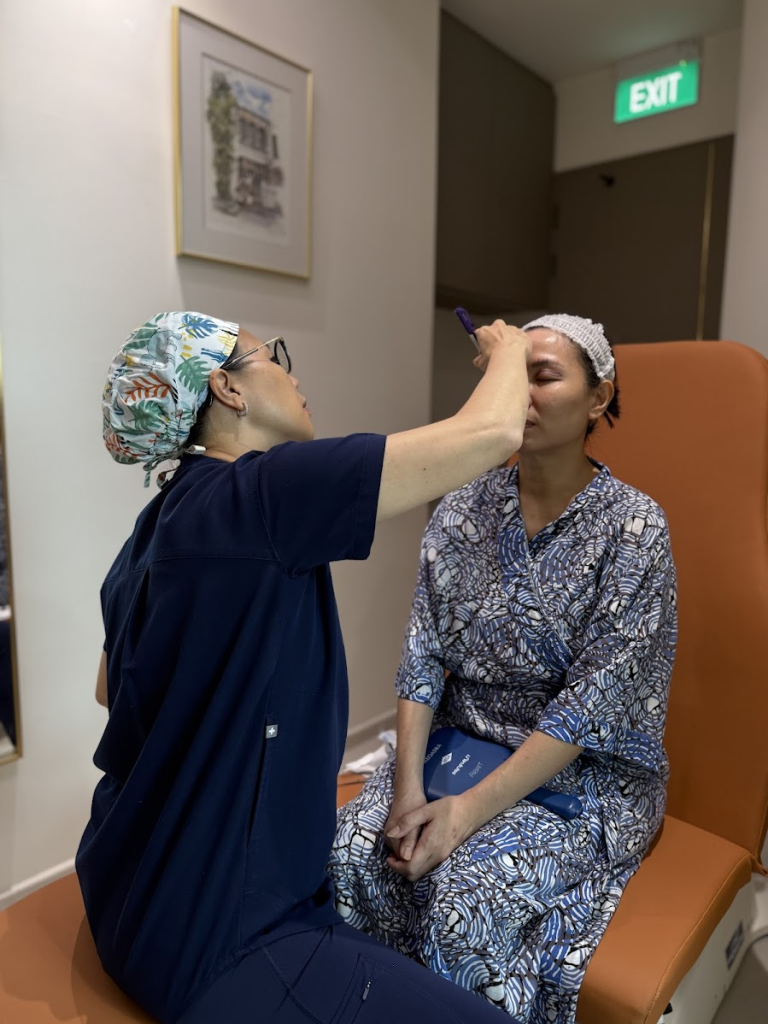
Every face ages differently. While some individuals are primarily affected by early jowl formation, others may experience more significant changes involving the jawline, neck and midface. During consultation, Dr Pearlie Tan performs a detailed assessment of facial anatomy, tissue position and ageing patterns to determine whether a facelift may be appropriate and which technique is most suitable. A personalised treatment plan is then developed based on your facial structure and aesthetic goals.
- Assessment and surgical planning – the process begins with a detailed assessment of how ageing has affected the face. During consultation, factors such as facial proportions, skin quality, tissue descent, jawline definition, neck contour and facial symmetry are carefully evaluated. This helps determine the most appropriate facelift technique and allows a personalised surgical plan to be developed according to the individual’s anatomy and aesthetic goals.
- Repositioning deeper facial tissues – the deeper support layers of the face are carefully elevated and repositioned. This addresses the structural descent that contributes to jowls, softening of the jawline and changes in facial contour.
- Skin redraping – once the deeper tissues have been repositioned, the skin is gently redraped without excessive tension. This helps create a more natural appearance while minimising the risk of an overly pulled look.
- Closure – incisions are meticulously closed along carefully planned locations designed to heal as discreetly as possible.
Why do modern facelifts look more natural?
One of the most common concerns patients have is whether a facelift will make them look unnatural.
Historically, some facelift techniques relied heavily on tightening the skin. While this could create improvement initially, excessive skin tension sometimes resulted in an over-pulled appearance.
Modern facelift approaches ageing differently.
Rather than relying on just pulling on the skin alone, contemporary techniques focus on repositioning the deeper structures that have descended over time. Because the skin is not bearing the primary tension, facial expressions and contours often appear more natural.
The objective is not to change how someone looks, but to restore facial balance while preserving individual characteristics and expression.
Facelift vs. Energy-Based Devices: Understanding the Difference
When considering facial rejuvenation, understanding how different treatments work is key to choosing the right approach for your goals.
The Facelift: Structural Repositioning
A facelift directly addresses the core structural components of aging. It works beneath the surface to reposition underlying facial tissues and restore a naturally youthful, lifted appearance.
- Best for: Significant sagging, loss of facial contour, and structural volume descent.
- Key Benefit: Provides comprehensive, long-lasting restoration by physically lifting and repositioning deep tissues rather than just treating the surface skin.
Energy-Based Devices: Skin Tightening & Fat Contouring
Energy-based treatments deliver targeted energy and heat into the dermal layers and deeper, depending on the device used, to stimulate collagen production and tighten the skin. While these devices provide overall skin firming, they do not reposition the deeper aging components of the face.
- Skin Tightening: Ideal for mild to moderate skin laxity and improving overall skin texture.
- Advanced Options (e.g., RFAL): Specialised technologies like Radiofrequency-Assisted Lipolysis (RFAL) work internally to shrink and contract localized fat deposits while heating the overlying skin to pull it taut. In Singapore, RFAL can be performed only by MOH-accredited Plastic Surgeons.
Which Is Right for You?
While energy-based treatments like RFAL are not a substitute for a full facelift, they offer a powerful, minimally invasive alternative. They are particularly effective for refining heavy areas in the lower face, jawline, and neck, making them a great option for patients who do not yet require or prefer to avoid surgical lifting.
What results can a facelift achieve?
A facelift is designed to improve overall facial harmony rather than focusing on a single feature. Depending on the individual’s anatomy, potential improvements may include:
- Better jawline definition
- Reduced jowl prominence
- Improved neck contour
- Smoother facial transitions
- More balanced facial proportions
- Less heaviness in the lower face
- A more refreshed appearance
However, a successful facelift should not make someone look like a different person. Instead, the goal is often for patients to look rested, refreshed and feel more like themselves.
Recovery
after facelift
Recovery after a facelift occurs progressively and continues beyond the initial healing period.
First 1 to 2 weeks | First few months | Long-term maturation |
During the early phase, it is common to experience:
Most patients spend this period focusing on rest and recovery while allowing the tissues to heal. | As swelling improves:
Many patients begin appreciating meaningful improvements during this stage. | Over the following months:
Because healing occurs beneath the surface, facelift results continue evolving well after the initial recovery period. |
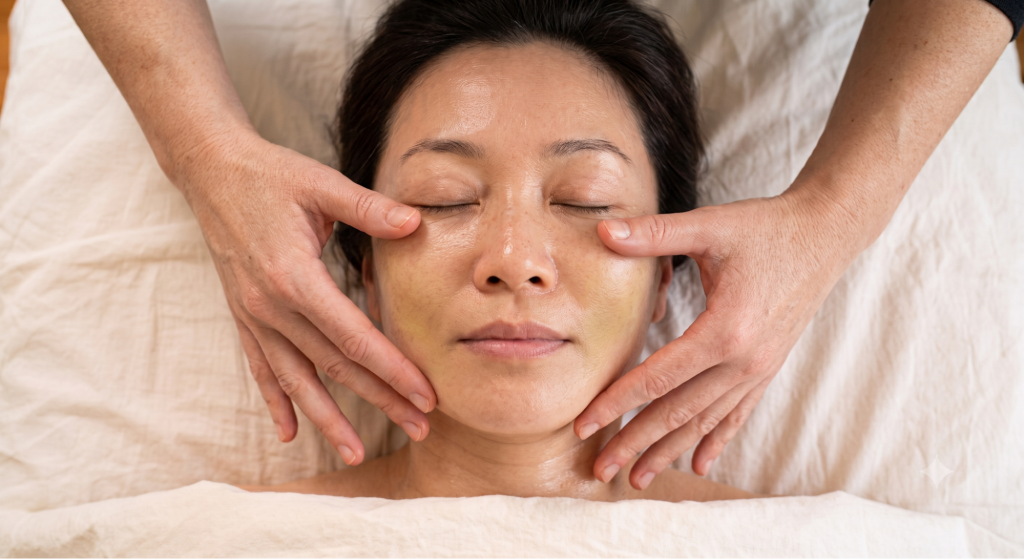
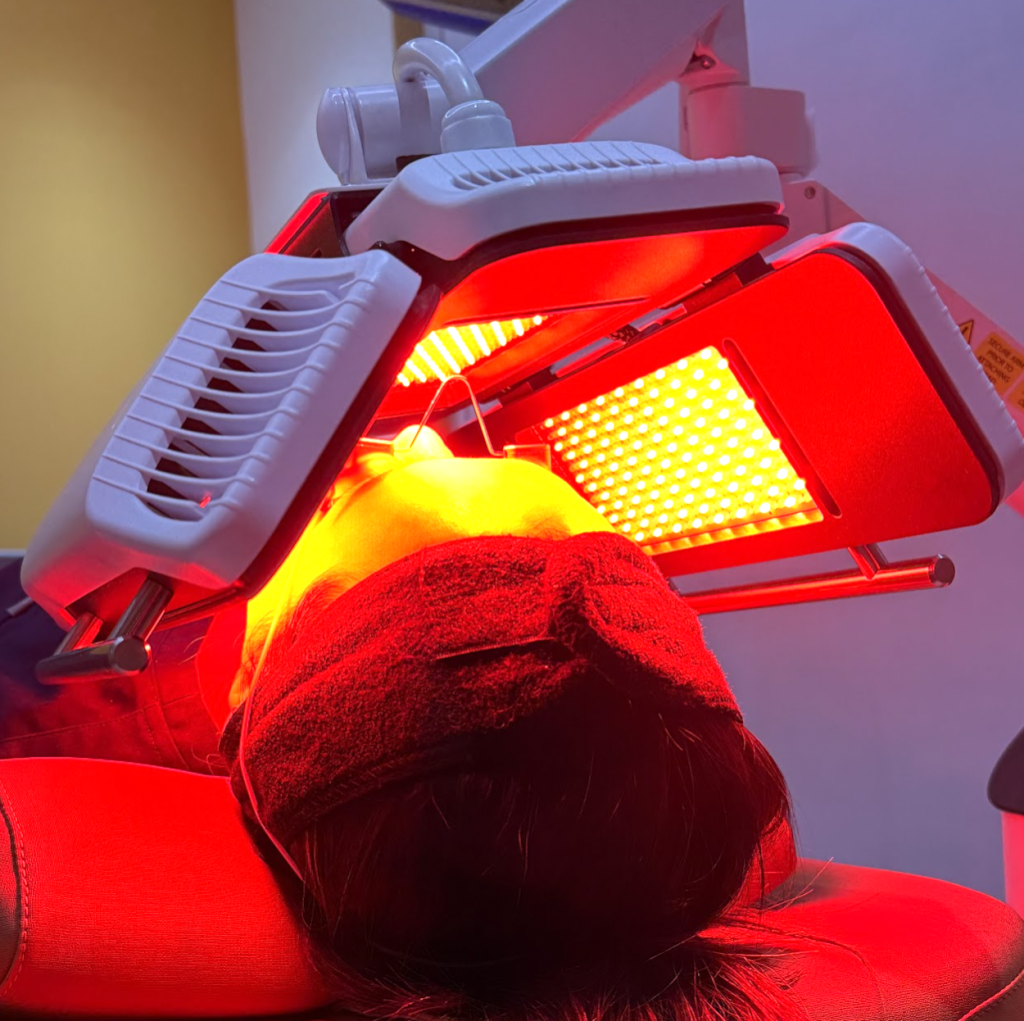
Why plastic surgeon expertise matters in facelift
A facelift is one of the most technically demanding procedures in facial plastic surgery because of the intricate layers of the face and presence of critical structures like the facial nerve branches and important vessels. A strong understanding of facial anatomy is paramount.
The surgeon must understand how ageing affects different facial layers, how tissues should be repositioned safely and how to preserve natural facial balance throughout the procedure.
Small differences in tissue handling, tension management and contour planning can significantly influence the outcome.
A successful facelift is not measured by how tight the face appears. Rather, it is measured by how naturally facial contours are restored while maintaining the patient’s unique features and expressions.
For this reason, careful assessment, surgical judgement and experience remain important parts of achieving natural-looking results.
How much does a facelift cost?
The cost of a facelift varies depending on several factors, including:
- The type of facelift performed
- The complexity of facial ageing being addressed
- Whether neck rejuvenation is performed at the same time
- Anaesthesia and operating facility fees
- The extent of post-operative care required
Because every face ages differently, treatment plans are highly individualised. A facelift procedure at Pearl Plastic Surgery starts from $15,000.
A detailed quotation will be provided following consultation with Dr Pearlie Tan once your facial anatomy, treatment goals and surgical requirements have been assessed.
Book a consultation

Some individuals are primarily concerned about jowls and loss of jawline definition. Others notice increasing neck laxity, facial heaviness or changes in midface contour.
Because facial ageing occurs differently from person to person, treatment planning begins with identifying the structures contributing to these changes rather than focusing on age alone.
During consultation, Dr Pearlie evaluates facial proportions, tissue position, skin quality and overall facial balance to determine whether a facelift may be appropriate and which approach is most suitable.
If you are considering facelift surgery, schedule a consultation with Dr Pearlie Tan for a comprehensive assessment of your facial concerns. During your consultation, she will discuss your treatment options and recommend a personalised approach based on your anatomy and aesthetic goals.
Frequently Asked
Questions
What is the best age to have a facelift?
There is no specific age that is considered ideal. We have patients from the age of mid-40s onwards considering a face-lift. Suitability depends more on the degree of facial ageing, tissue descent, skin quality and individual goals than on age alone.
When is the right time to consider a facelift?
There is no specific age at which a facelift becomes necessary. Many patients consider surgery when jowls, jawline softening or neck laxity become noticeable and are no longer satisfied with non-surgical treatments.
How do I know if I need a facelift or RFAL (Radiofrequency Assisted Lipolysis)?
A facelift addresses tissue descent and facial laxity whereas RFAL focuses energy to shrink and contract fat while tightening overlying skin During consultation, Dr Pearlie will assess whether your concerns are better addressed with surgery, RFAL or a combination approach.
Does a facelift make you look younger?
A facelift is designed to restore facial contours affected by ageing. Many patients report looking more refreshed, rested and youthful, although results vary between individuals.
Can a facelift improve my jawline?
Yes, improving jawline definition is one of the most common goals of a facelift, particularly when jowls and lower facial descent are present.
Can a facelift improve marionette lines?
In selected patients, a facelift may improve the appearance of marionette lines by repositioning descended facial tissues. However, improvement depends on the underlying cause and severity of the folds.
Can a facelift help with sagging skin after weight loss?
Significant weight loss can often-times contribute to facial volume loss and tissue laxity. In selected patients, a facelift will help restore definition to the jawline and lower face when skin laxity contributes to an aged or hollow appearance.
Is a neck lift the same as a facelift?
No, while the procedures are related, a neck lift primarily focuses on neck contour, whereas a facelift addresses broader ageing changes affecting the face and jawline. The procedures are often combined when appropriate.
Can a facelift be combined with other facial procedures?
Yes, depending on individual goals, a facelift may sometimes be performed alongside eyelid surgery, fat grafting or other facial rejuvenation procedures.
How long should I wait after fillers before considering a facelift?
The timing depends on the type of filler used, its location and the degree of facial ageing present. During consultation, Dr Pearlie will assess whether existing fillers should be dissolved or whether they can be incorporated into surgical planning.
Can a facelift be performed after previous facelift surgery?
Yes, some patients undergo secondary or revision facelift procedures when ageing continues over time. Surgical planning is individualised and depends on the quality of the tissues, existing scars and previous techniques used.
Can men undergo a facelift?
Yes, a facelift is performed for both men and women. Surgical planning takes into account differences in facial anatomy, skin characteristics and aesthetic goals.
Will people be able to tell I've had a facelift?
Modern facelift techniques aim to create natural improvements rather than obvious surgical changes. The aim is for patients to appear more refreshed and rested rather than look like a different person.
How visible are facelift scars?
Incisions are typically planned around natural facial contours and hair-bearing areas. Skin closure is meticulously performed to promote optimal healing, resulting in scars that become less visible over time.
Is a facelift painful?
Most patients describe the recovery period as involving tightness, swelling and soreness rather than significant pain. Discomfort is usually managed with prescribed medication.
How long do facelift results last?
A facelift turns back the clock, restoring a naturally refreshed and youthful appearance. While the procedure doesn’t stop the aging process, you will continue to age naturally, you will always look younger than you would have without it. Maintaining a healthy lifestyle and skin care routine helps preserve your results for years to come.
 Pearl Plastic Surgery