
Hypertrophic Scar Removal

Overview
Purpose | Reducing the size, thickness and visibility of a hypertrophic scar by removing or remodelling excess scar tissue, restoring a flatter, softer scar profile. |
Recommended for | Individuals with raised, thickened scars that are itchy, tender, restrictive in movement, or cosmetically bothersome. |
Surgery time | Approximately 30–60 minutes, depending on the size, location and complexity of the scar. |
Hospital stay | Usually performed as a day procedure under local anaesthesia, with no overnight hospital stay required in most cases. |
Recovery | Initial wound healing typically occurs within 1–2 weeks. Scar maturation continues over several months, with silicone gel application, sun protection and scheduled follow-ups recommended to support optimal healing and reduce recurrence risk. |
Many people expect a scar to gradually fade and flatten after surgery, an accident or a burn injury. Instead, some scars become thick, raised and more noticeable as healing progresses.
Months after the original wound has healed, the scar may remain firm, red, itchy or elevated above the surrounding skin.
This is particularly relevant in Singapore and across Asia, where individuals with darker skin types are more prone to abnormal scar formation i.e. hypertrophic scars and keloids.
Hypertrophic scars are one of the most common types of raised scars. Although they are not dangerous, they can affect comfort, confidence and, depending on the location e.g. joints and areas of high tension, can affect movement of that area or cause a constant feeling of tightness and discomfort.
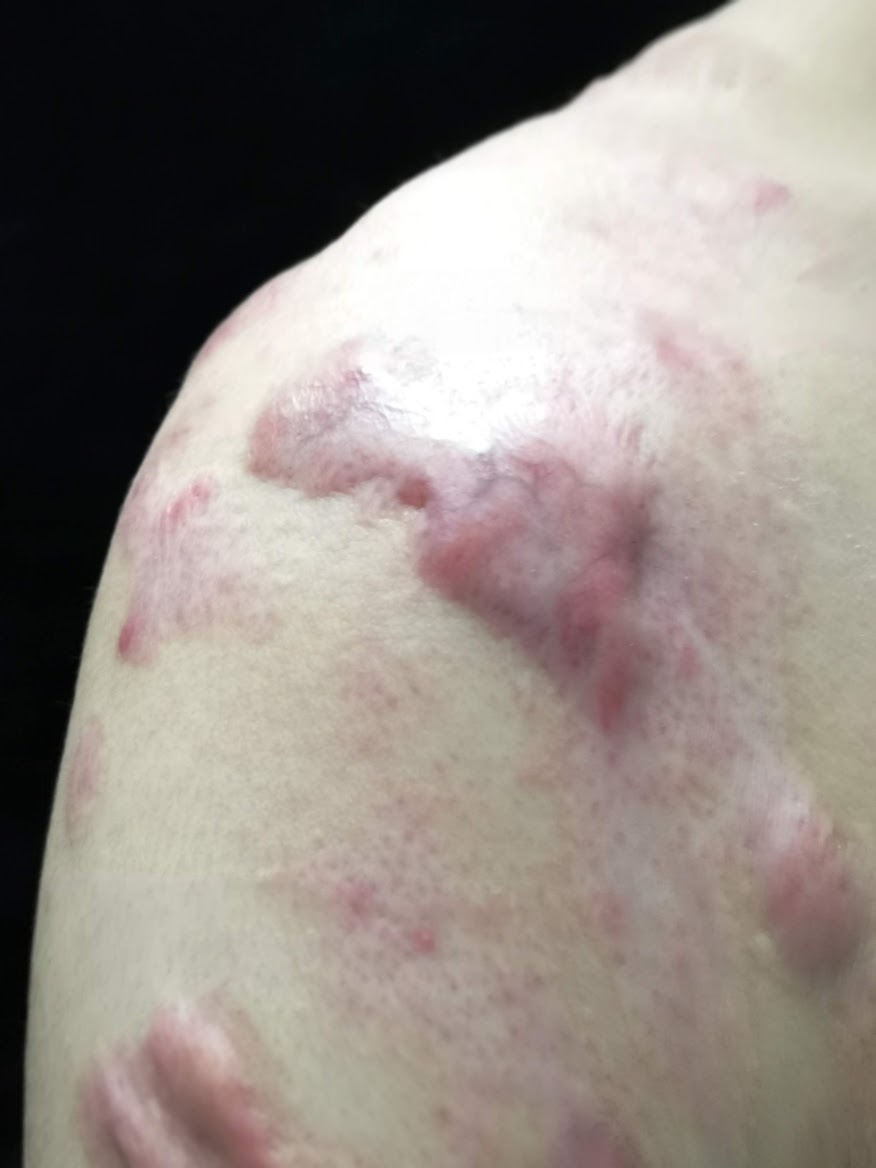
What is a hypertrophic scar?
A hypertrophic scar develops when the body produces more collagen than necessary while repairing damaged skin.
Rather than gradually becoming flatter and less noticeable, the scar becomes elevated above the skin surface and may remain thickened for months or years.
Some of the common characteristics include:
- Raised appearance
- Firm or thickened texture
- Red or pink colouration
- Itching
- Tenderness or discomfort
One important characteristic is that hypertrophic scars remain confined within the boundaries of the original wound and commonly develop in areas exposed to movement or tension, including:
- Chest
- Shoulders
- Upper back
- Abdomen
- Neck
- Arms
- Joints
Although some hypertrophic scars improve naturally over time, others remain persistently raised and lead to constant troublesome symptoms like pain and itching.
How do hypertrophic scars form?
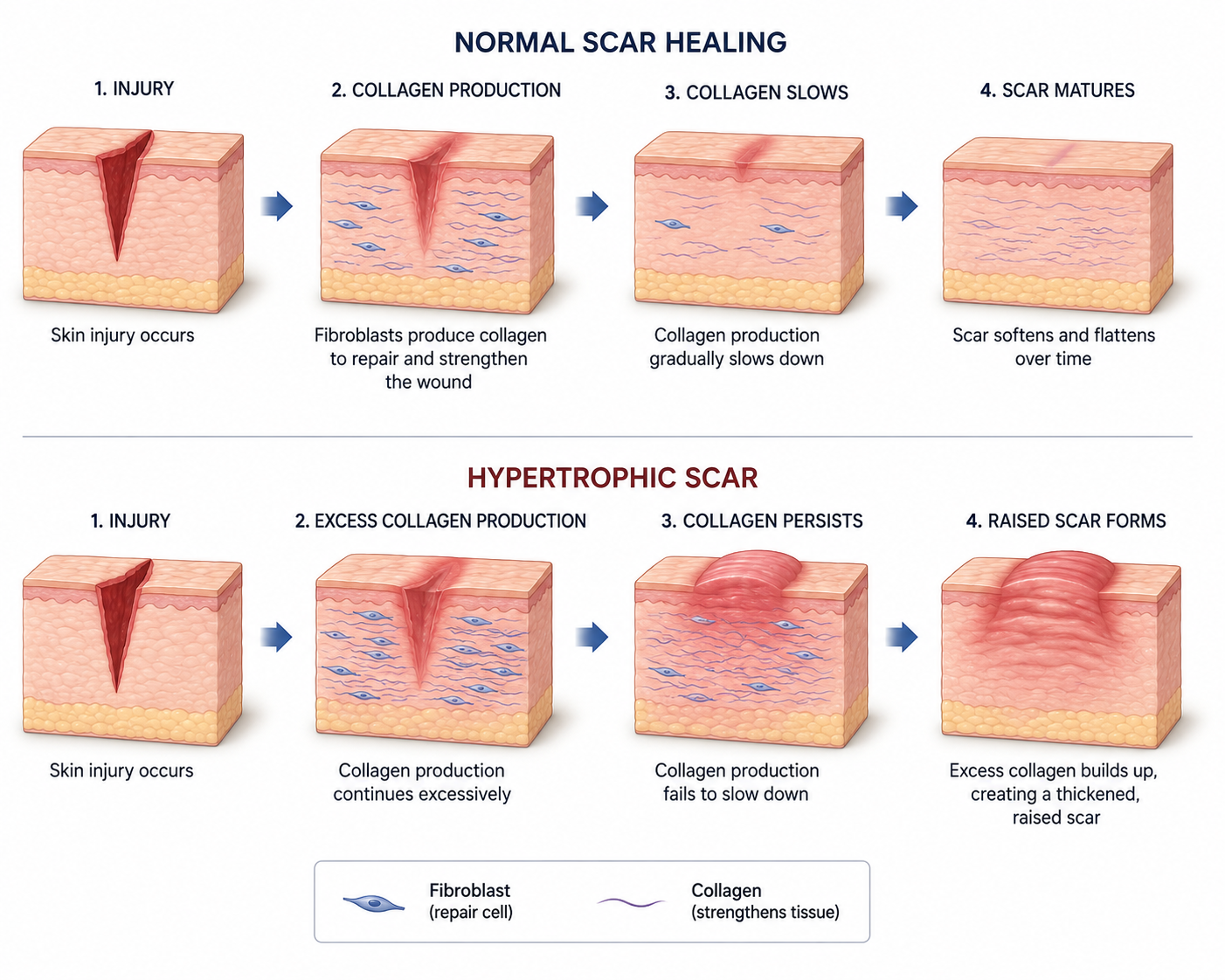
To understand hypertrophic scars, it helps to understand how the body normally heals. Whenever skin is injured, specialised repair cells called fibroblasts produce collagen to strengthen and rebuild the damaged tissue. As healing progresses, collagen production should gradually slow down and the scar begins to soften and flatten.
In hypertrophic scars, this process becomes dysregulated.
Instead of stopping at the appropriate point, the body continues producing collagen within the healing wound. This leads to an accumulation of thickened scar tissue that becomes visibly raised.
Several biological factors may contribute:
- Prolonged inflammation
- Excess collagen production
- Increased fibroblast activity
- Delayed wound healing due to poor wound management or infection
- Mechanical tension across the wound
- Individual genetic healing tendencies
Surrounding wound tension plays an important role in hypertrophic scar formation, which is one reason these scars commonly occur over the chest, shoulders and joints where movement places continuous stress on healing tissues.
What causes hypertrophic scars?
Hypertrophic scars can develop whenever the skin experiences significant injury, such as:
- Surgical scars – some surgical incisions heal with excessive collagen formation, resulting in raised scars that remain visible long after surgery
- Burn injuries – burn wounds are particularly prone to hypertrophic scarring because of the extensive inflammation involved during healing
- Traumatic injuries – cuts, lacerations and road traffic injuries may heal with thickened scar tissue, especially when healing is prolonged
- Skin infections – inflammation associated with infection can sometimes increase the risk of abnormal scar formation
- Piercings – although more commonly associated with keloids, some piercings may heal with hypertrophic scar formation
- Acne – in selected individuals, inflammatory acne lesions may leave behind thickened raised scars
However, not everyone exposed to these injuries develops hypertrophic scars, which is why understanding individual scar biology is important when planning treatment.
Is it a hypertrophic
scar or a keloid?
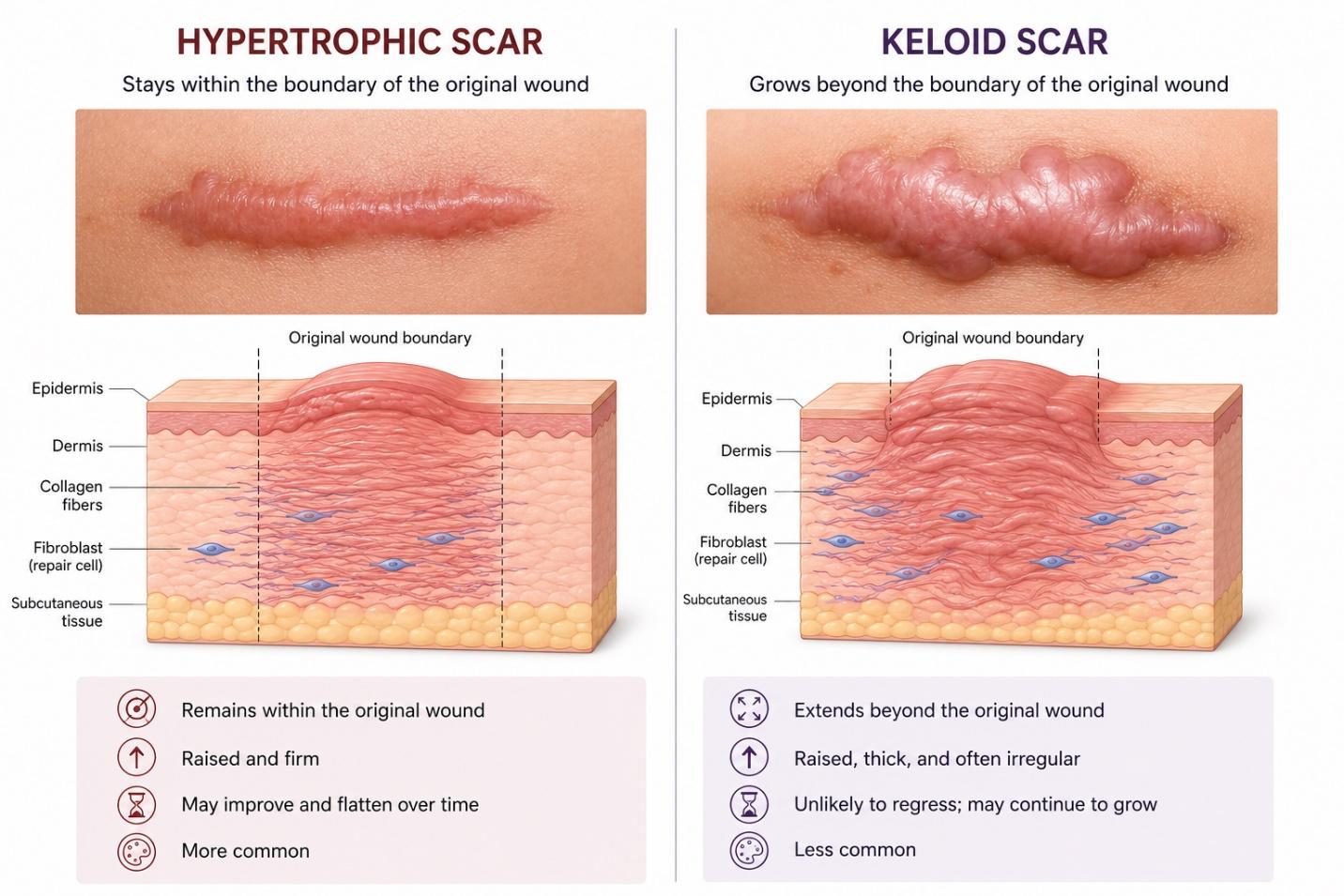
Many patients use the terms hypertrophic scar and keloid interchangeably. However, they are distinct conditions that often require different treatment approaches.
Similarities
Both may appear:
- Raised
- Thickened
- Red or darker in colour
- Itchy
- Firm to touch
Key differences
| Feature | Hypertrophic Scar | Keloid Scar |
| Growth pattern | Remains within the boundaries of the original wound | Extends beyond the original wound into the surrounding skin |
| Appearance | Raised, thickened and often red or pink | Raised, firm and may continue enlarging over time. Can be red or pigmented |
| Time of development | Usually develops within weeks after injury | May develop months after injury |
| Natural behaviour | May gradually flatten and soften over time | Often persists and may continue growing |
| Common symptoms | Thickening, redness, itching, tightness | Itching, tenderness, discomfort and progressive enlargement. |
| Risk of recurrence | Generally lower | Generally higher and may become infected. |
| Common locations | Surgical wounds, burns, traumatic injuries, joints and areas of tension | Earlobes, chest, shoulders, jawline and upper back |
| Treatment approach | May respond to scar management, injections, lasers or surgery | Often requires combination therapy to reduce recurrence risk and surgical debridement if infected. |
| Surgical removal alone | Sometimes appropriate in selected cases | Usually combined with adjunctive treatment due to high risk of recurrence. |
Who is hypertrophic scar removal recommended for?
Not every hypertrophic scar requires active treatment. This is because many scars gradually improve with time. However, treatment may be recommended when the scar continues to affect appearance, comfort or daily activities:
- Persistent scar elevation despite months of healing
- Ongoing itch or irritation
- Tenderness or discomfort
- Cosmetic concerns
- Difficulty concealing the scar
- Tightness around the scar
- Restriction of movement
- Previous unsuccessful treatments
What to expect on your first consultation
The consultation is designed to determine why the scar developed, how it is behaving and which treatment options may be most appropriate. Dr Pearlie Tan’s assessment typically includes:
Review of your medical history
The consultation begins with a discussion of your general health, previous surgeries, medications and any factors that may affect wound healing.
Certain medical conditions, prior scar treatments and a family history of abnormal scarring can provide valuable clues about how your scar developed and how it may respond to treatment.
Understanding the scar’s history
Not all hypertrophic scars form for the same reason.
Dr Pearlie will discuss:
- How the original wound occurred
- Whether it resulted from surgery, trauma or burns
- How long the scar has been present
- Whether the scar is still changing
- Previous treatments that have been attempted
- Symptoms such as itching, tightness or discomfort
Understanding the scar’s behaviour over time often helps determine the most appropriate treatment strategy.
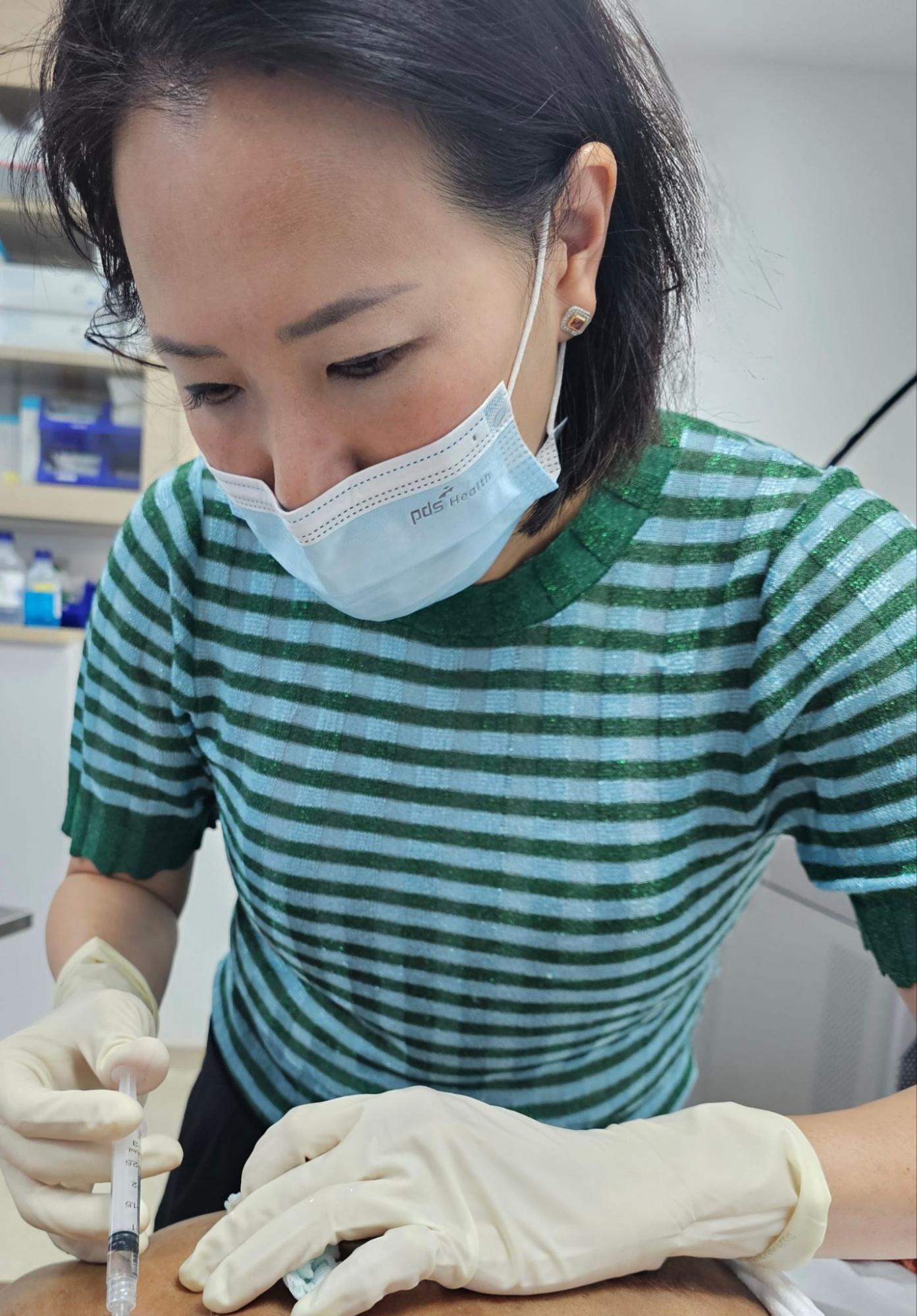
Examining the scar
A detailed assessment of the scar is then performed.
This includes evaluating:
- Scar thickness
- Colour and vascularity
- Surface texture
- Degree of firmness
- Location on the body
- Skin tension surrounding the scar
- Any functional restriction or discomfort
The examination helps distinguish hypertrophic scars from keloids and other scar conditions that may require a different treatment approach.
Discussing treatment options
Treatment recommendations are then tailored according to the scar’s characteristics and your goals. Factors such as scar maturity, size, symptoms, location and recurrence risk are considered when developing a personalised treatment plan. She may recommend surgical excision and specialised dressings like vacuum dressings to accelerate healing. Or combination of specialised lasers and injections with medical grade scar sheets and gels.
There is no single treatment suitable for every hypertrophic scar. However, management is often individualised and may involve one or several approaches:
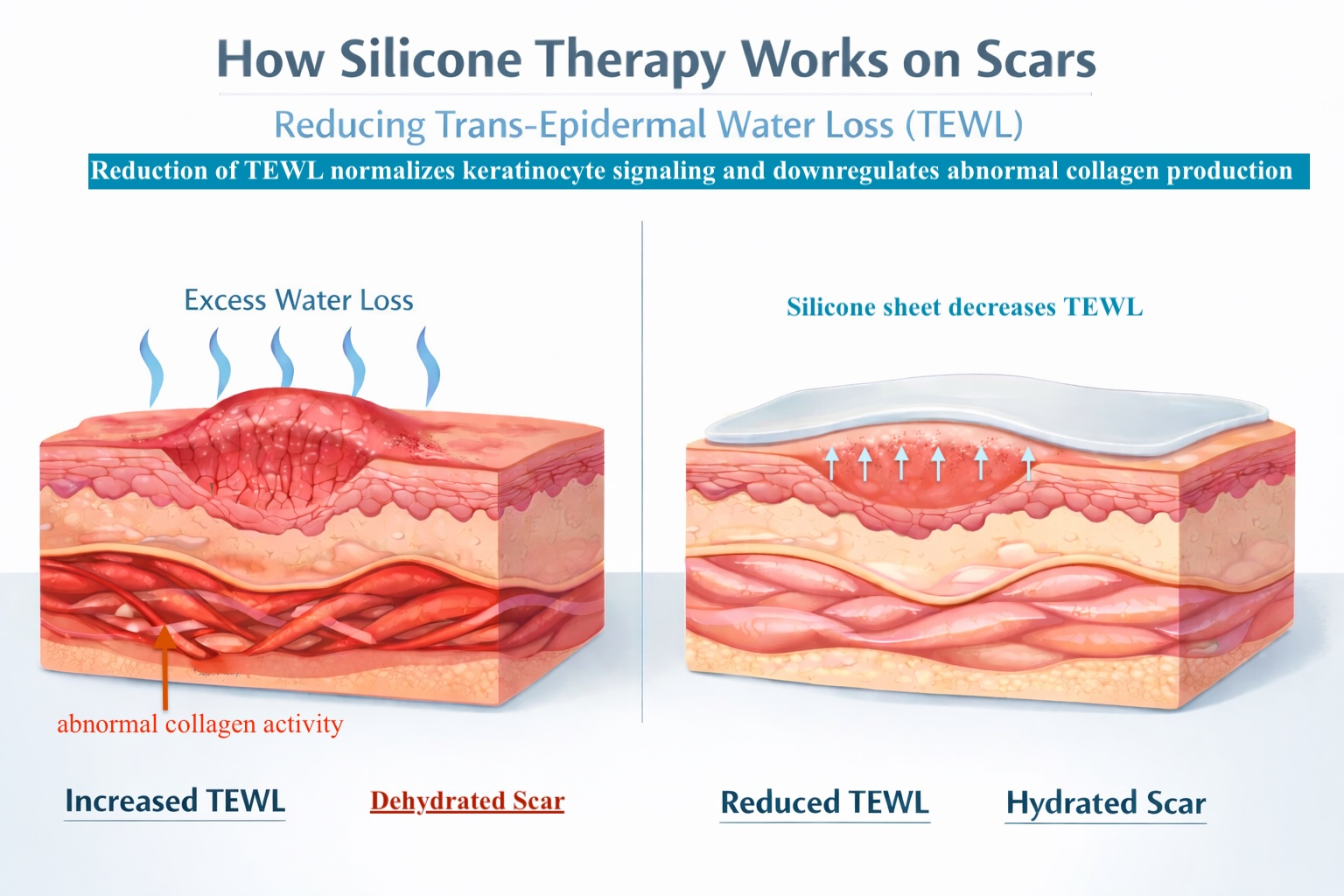
Silicone scar therapy
Silicone sheets and silicone gels are commonly used to support scar maturation. Although simple, they remain one of the most widely recommended first-line treatments for hypertrophic scars.
This is because silicone helps by:
- Improving scar hydration
- Stabilising keratinocytes (uppermost layer of skin) and collagen production.
- Reducing scar thickening
- Improving scar texture over time
Steroid injections
Steroid injections are commonly used for thicker hypertrophic scars. The medication is injected directly into the scar tissue to reduce excessive collagen activity.
Over time, this may help:
- Flatten the scar
- Reduce itch
- Improve softness
- Decrease redness
However, several treatment sessions may be required depending on scar severity.
Laser treatment
Laser therapy is often used as part of a comprehensive scar management plan, particularly when scars remain red, thickened or texturally irregular. Different laser technologies target different components of the scar.
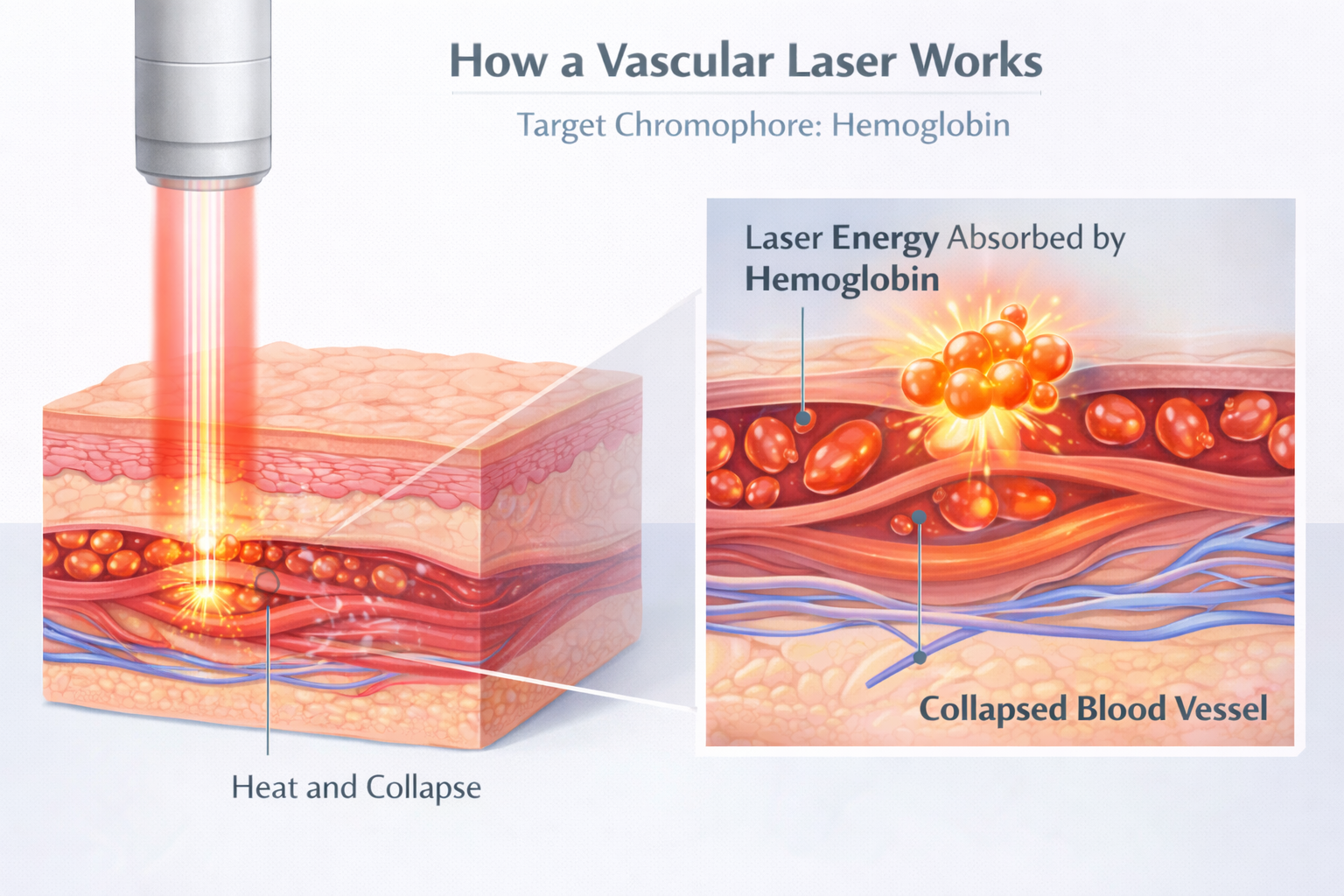
Vascular lasers primarily target excess blood vessels within active scars. These treatments are often used for:
- Persistent redness and prolonged inflammation
- Itching and scar-related discomfort
- Highly vascular scars
By reducing abnormal blood vessel activity, vascular lasers will dampen inflammation thereby improving symptoms due to inflammation i.e. itching, pain and discomfort. By reducing inflammation, scars will be less stimulated and will more likely flatten and improve.
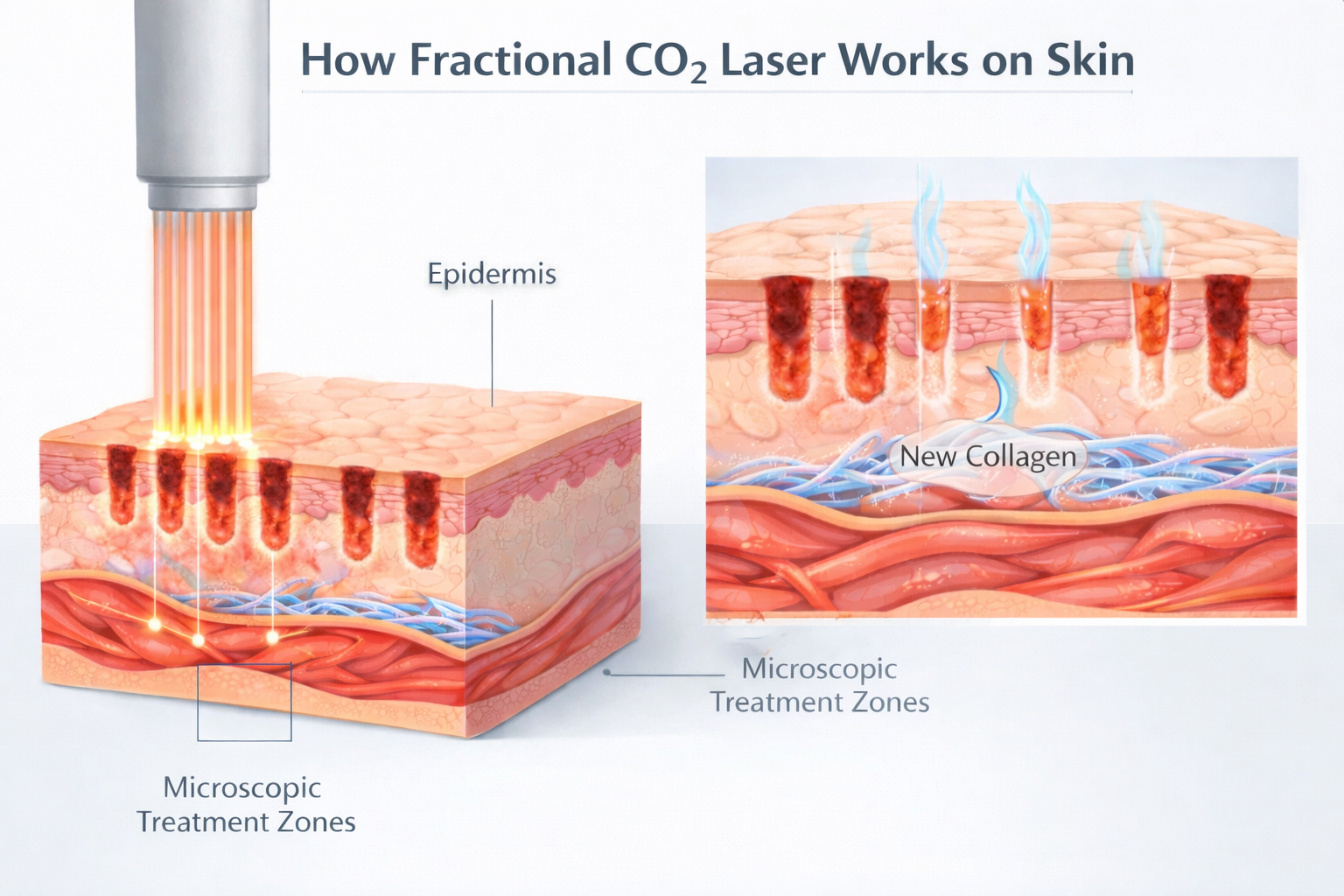
Fractional lasers work differently. Rather than targeting blood vessels, they create controlled microscopic treatment zones within the scar tissue.
These lasers may be used to improve:
- Scar thickness
- Surface irregularities
- Skin texture
- Scar pliability
- Overall scar appearance
Fractional resurfacing also stimulates collagen remodelling, encouraging the scar to soften, behave and appear more like normal skin over time.
The choice of laser depends on factors such as scar age, thickness, redness, location and previous treatments. Timing of different lasers is critical as using the wrong laser at the wrong time/stage will worsen the scar.
Scar revision surgery
In selected patients, surgical scar revision may be recommended.
This involves carefully removing the existing hypertrophic scar and reconstructing the area using techniques designed to create more favourable healing conditions.
Particular attention is placed on:
- Reducing wound tension
- Improving scar orientation
- Preserving surrounding structures
- Creating a more controlled healing environment
Combination treatment
Often, hypertrophic scars respond best to a combination approach.
For example, surgery will be followed up with close vascular laser treatment to reduce duration of inflammation and reduce risks of recurrent hypertrophic scars. Often, specialist injections like botulinum toxin injections may be performed to the perimeter of the scar as these neurotoxin injections have been shown to stabilise fibroblasts which can produce excessive collagen in people prone to hypertrophic scarring and keloid formation. Silicone therapy is compulsory for all patients undergoing active scar treatment.
Why Choosing the Right Scar Specialist Matters
When skin is injured, be it from surgery, burns, infection or trauma, that injury will leave a mark on the skin in the form of a scar. But how that mark heals and appears depends on your recovery and early scar management. Scars are dynamic, living tissue, and managing them effectively requires far more than a standard treatment protocol, it requires deep surgical insight and knowledge of how skin recovers.
Understanding scar biology from the inside out
As a plastic surgeon, Dr Pearlie’s knowledge of scars begins in the operating room. Surgeons create incisions, and know exactly what it’s like cutting through any existing scar tissue. One only truly understands how to treat a scar when one has cut through scar tissue, and it is this direct hands-on knowledge of scar formation and tissue behaviour that influences how scar remodelling should be approached.
Proficient utilisation of lasers: precision and timing are everything
Lasers are incredibly powerful tools for scar remodeling, but they are highly time-sensitive.
- The right laser at the right time — Early intervention with vascular lasers can dampen redness and moderate abnormal growth before a scar gets out of control.
- The wrong approach can worsen scars — Using the incorrect laser modality, or applying it at the wrong stage of healing, can provoke inflammation and significantly worsen the scar’s appearance. True expertise lies in knowing exactly when to treat and which technology to use.
Meticulous surgical revision
Some scars cannot be resolved by non-invasive treatments alone; they require surgical revision to achieve meaningful results. When surgery is necessary, meticulous removal and skin closure is vital. Precise wound closure strategies to minimise tension—the primary trigger for poor scarring—lays the foundation for the best healing and least obvious scar.
Close and comprehensive aftercare
A good and satisfactory scar is not achieved in a single appointment; it is the result of close, proactive management. Our comprehensive recovery protocols combine:
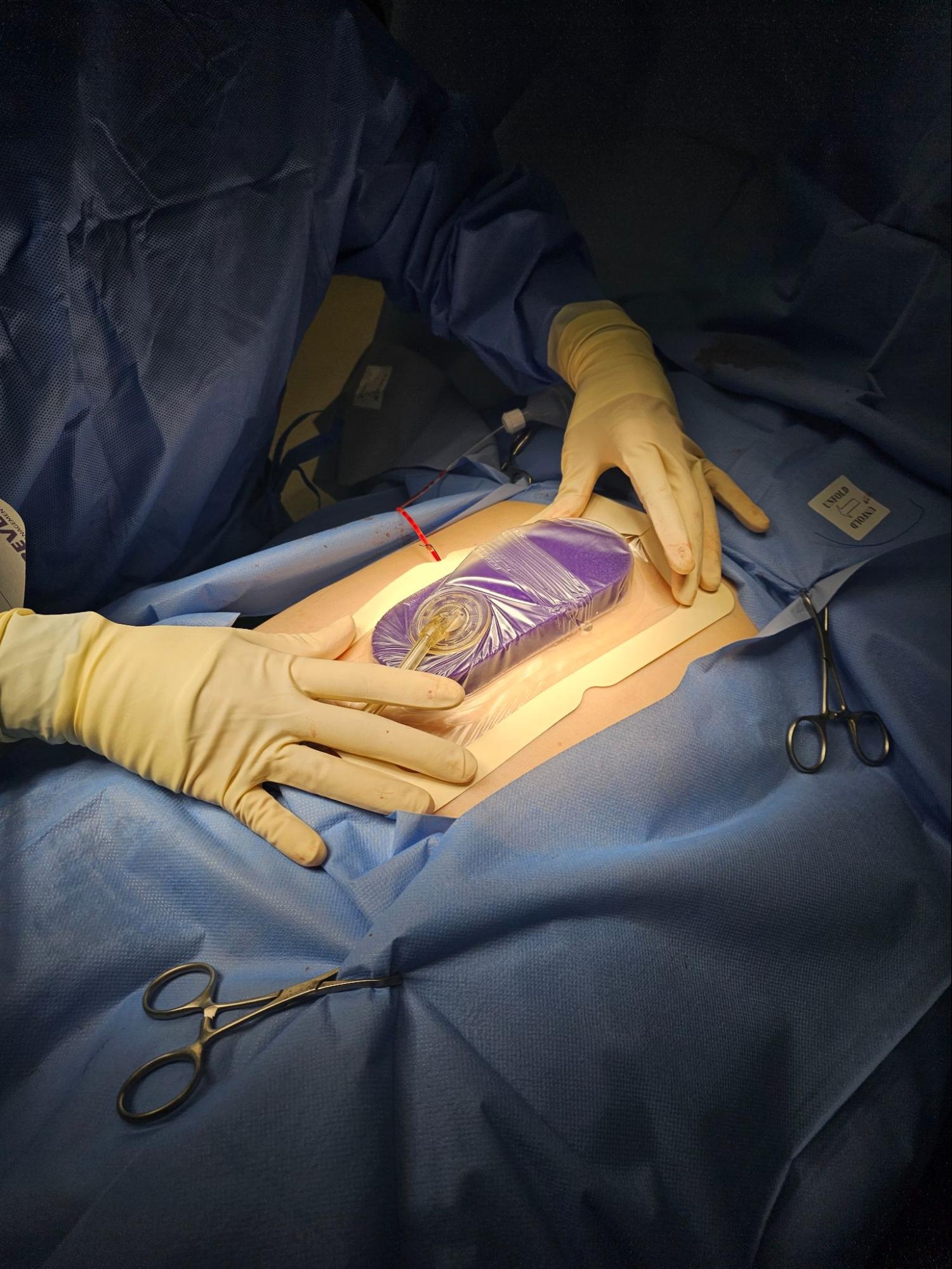
- Meticulous wound care — Sometimes, specialist dressings such as vacuum incision management dressings are used to accelerate healing and optimize recovery. Smooth, uninterrupted healing sets up for more favourable scarring.
- Maintenance — Integrating medical-grade silicone therapy to stabilise hydration and collagen production.
- Proactive prevention — Deploying early-stage vascular lasers to reduce the risk of hypertrophic scars or keloid recurrence.
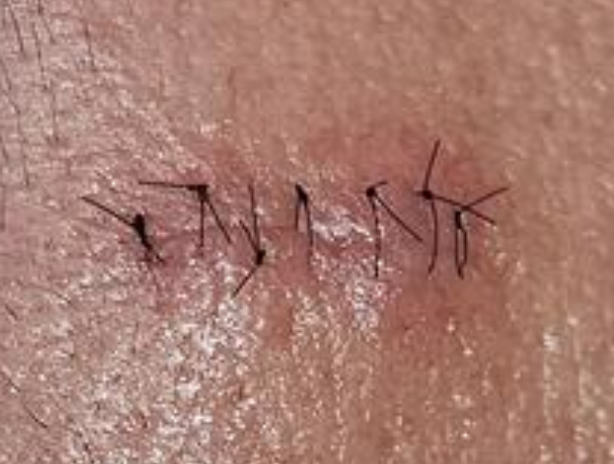
Let’s find the most suitable scar removal approach tailored to your unique skin type and goals, with personalised treatment options.
What results can you expect?
As the treatment aims to improve the appearance and behaviour of the scar, some of the potential improvements include:
- Reduced scar thickness
- Flatter contour
- Softer texture
- Reduced redness
- Less itching
- Improved comfort
- Better mobility where restriction was present
- Less noticeable appearance overall
It is important to note that the degree of improvement varies depending on scar severity, location, age and individual healing characteristics.
Recovery and preventing recurrence
The recovery occurs in phases:
| FIRST FEW WEEKS | FIRST FEW MONTHS | LONG-TERM SCAR MATURATION |
During early healing, patients will experience:
|
As collagen begins reorganising:
|
As scar remodelling may continue for many months, CO2 fractional laser may be introduced during this phase (mature scar phase) to further improve scar texture and appearance. All patients are advised to:
|
How much does hypertrophic scar removal cost in Singapore?
The cost of treatment starts from $2000 depending on several factors, such as:
- Size of the scar
- Scar thickness
- Scar location
- Complexity of treatment
- Whether surgery is required
- Number of treatment sessions
- Need for combination therapy
Because every scar behaves differently, a consultation is required before an accurate treatment plan and cost estimate can be provided.
Personalised hypertrophic scar removal in Singapore
Managing scars is a balance of knowledge, technical expertise, utilisation of technology and surgical precision. By choosing a dedicated scar specialist, you ensure that every intervention—from the first dressing to the final laser pass—is precisely timed and expertly executed to give your scar the best possible outcome.
At Pearl Plastic Surgery, treatment planning begins with a detailed assessment of the scar and understanding the factors influencing its behaviour. Book an appointment with us for a detailed diagnosis and personalised treatment plan.

Personalised treatments, including laser therapy, steroid injections and surgery, to reduce recurrence.
Frequently Asked Questions
Can hypertrophic scars go away on their own?
Some hypertrophic scars improve gradually with time. As the scar matures, redness may fade and the scar may become flatter and softer. However, not all hypertrophic scars resolve completely and some remain raised, firm or symptomatic for years without treatment.
Why does my hypertrophic scar itch?
Itching is common during scar formation and may occur because of inflammation and increased activity within the healing scar tissue. Symptoms often improve as the scar matures.
Can hypertrophic scars become keloids?
Hypertrophic scars and keloids are different conditions. A hypertrophic scar does not typically transform into a keloid, and distinguishing between the two may influence treatment methods.
Are hypertrophic scars more common in Asians?
Hypertrophic scars and other forms of excessive scarring are generally reported more frequently in individuals with darker skin types, including many Asian populations.
Why is my scar still red after several months?
Scar redness often reflects ongoing blood vessel activity within the healing tissue. Some scars remain red and experience prolonged inflammation, increasing the risk of symptoms such as itching and feeling of tightness and pain.
Can hypertrophic scars affect movement?
Yes, when a hypertrophic scar develops across a joint or area of frequent movement, it may create tightness, discomfort or restriction during certain activities.
Can burns cause hypertrophic scars?
Yes, burn injuries are one of the most common causes of hypertrophic scarring, particularly when wound healing is prolonged or extensive skin damage occurs.
Does treating a hypertrophic scar early make a difference?
In many cases, earlier intervention may help control excessive scar activity before significant thickening develops. The most appropriate timing depends on the scar’s stage of healing and individual circumstances.
What is the best treatment for hypertrophic scars?
The most appropriate treatment depends on factors such as scar age, thickness, symptoms, location and previous treatments. Options may include silicone therapy, steroid and/or botox injections, laser treatment, scar revision surgery or a combination of approaches.
Are steroid and botulinum toxin injections painful?
Most patients tolerate these injections well. Some temporary discomfort may occur during treatment, but there is minimal to no more pain after the procedure is completed. The procedure is generally brief and can often be performed in the clinic.
Why do some surgical wounds heal with thick scars while others do not?
Scar formation is influenced by multiple factors, including genetics, method of wound closure, wound tension, healing time and location of the wound.
Can hypertrophic scars continue improving without treatment?
Some hypertrophic scars gradually flatten and soften over time. However, scars that remain symptomatic, cosmetically noticeable or functionally restrictive may benefit from treatment.
How long does hypertrophic scar treatment take?
Treatment timelines vary considerably. Some scars improve after a few treatment sessions, while others require staged treatment over several months. Scar remodelling is a gradual biological process and meaningful improvement often continues long after the initial treatment has been completed.
Is hypertrophic scar treatment covered by insurance or MediSave?
Coverage depends on the indication for treatment and prevailing insurance or MediSave guidelines. Scars causing functional problems may be assessed differently from purely aesthetic concerns.