
Accessory Breast Tissue & Extra Nipple Removal

Overview
Purpose | Removes accessory breast tissue or extra nipple tissue to improve body contour, reduce discomfort and address persistent underarm or chest fullness. |
Recommended for | Individuals with accessory breast tissue or extra nipples causing discomfort, hormonal swelling, underarm fullness or cosmetic concerns. |
Surgery time | Approximately 1–2 hours, depending on whether one or both sides are treated, the amount of tissue removed and whether liposuction is performed. |
Hospital stay | Usually performed as a day procedure, allowing most patients to return home on the same day. |
Recovery | Most patients return to light daily activities within 1–2 weeks. Swelling gradually subsides over the following weeks, with scars maturing and final contours becoming more apparent over the next few months. |
Many people assume that persistent fullness near the underarm is simply stubborn fat. However, in some cases, it may actually be accessory breast tissue: a developmental condition that often becomes more noticeable during puberty, pregnancy or hormonal changes.
While harmless in most individuals, accessory breast tissue or extra nipples can affect clothing fit, cause discomfort during hormonal cycles, or make some people feel self-conscious about their appearance.
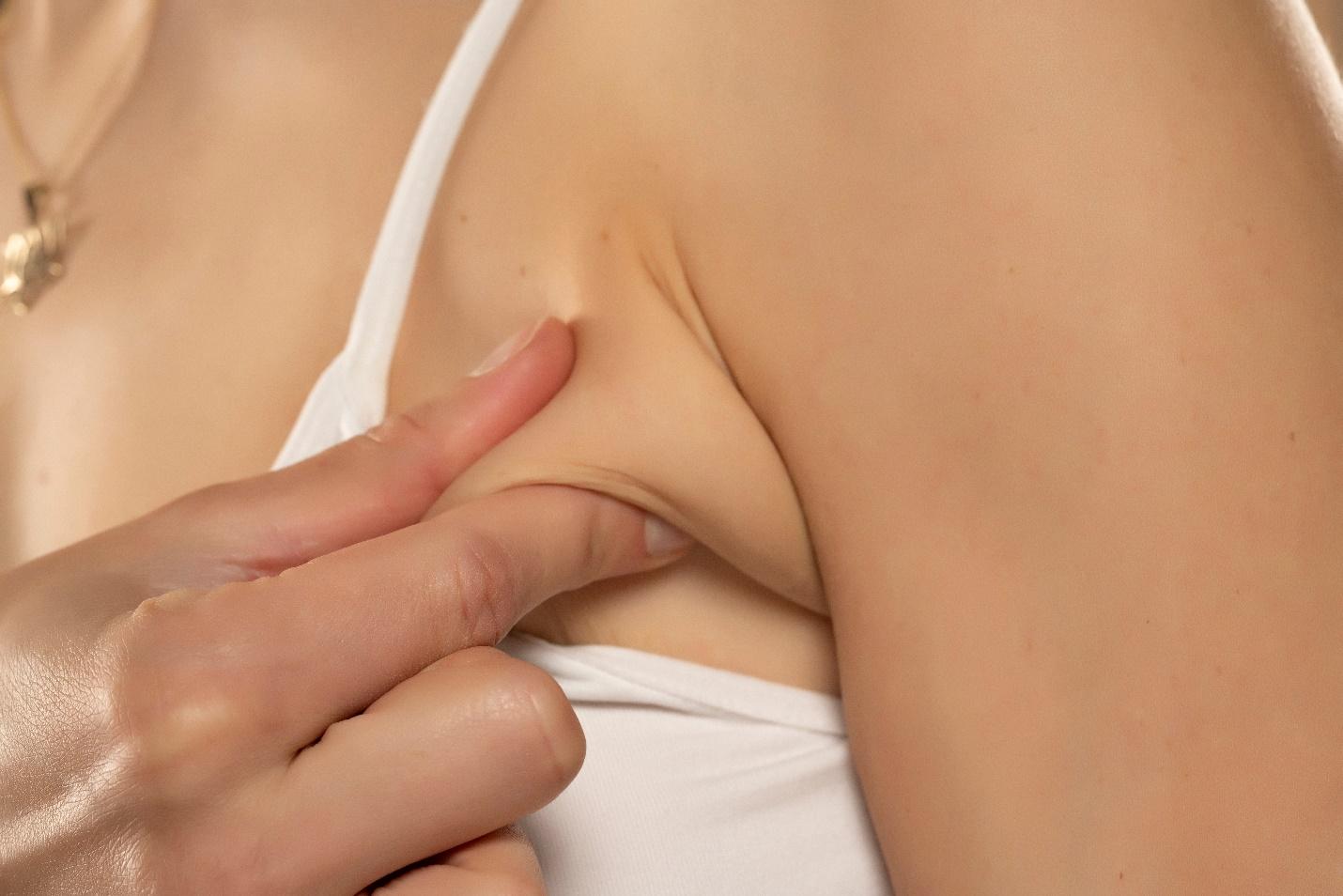
Accessory breast tissue and extra nipples
Accessory breast tissue (polymastia) refers to the presence of additional breast tissue outside the normal breast area, most commonly along the milk line. This is an embryonic structure that extends from the underarm to the groin during early foetal development.
Extra nipples (polythelia) are additional nipple structures that may also develop along the milk line. They may appear as small, pigmented bumps and can easily be mistaken for moles or skin tags.
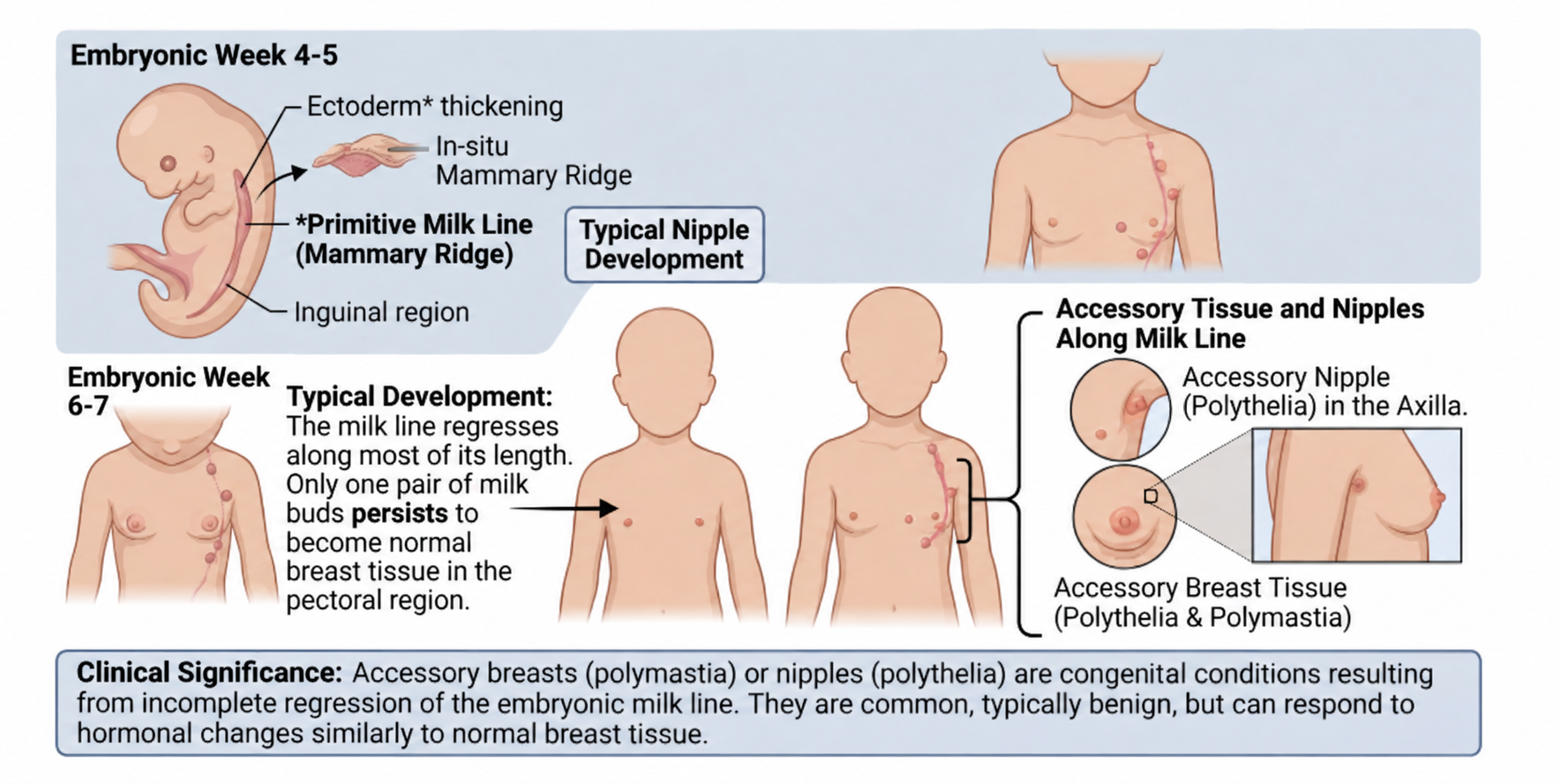
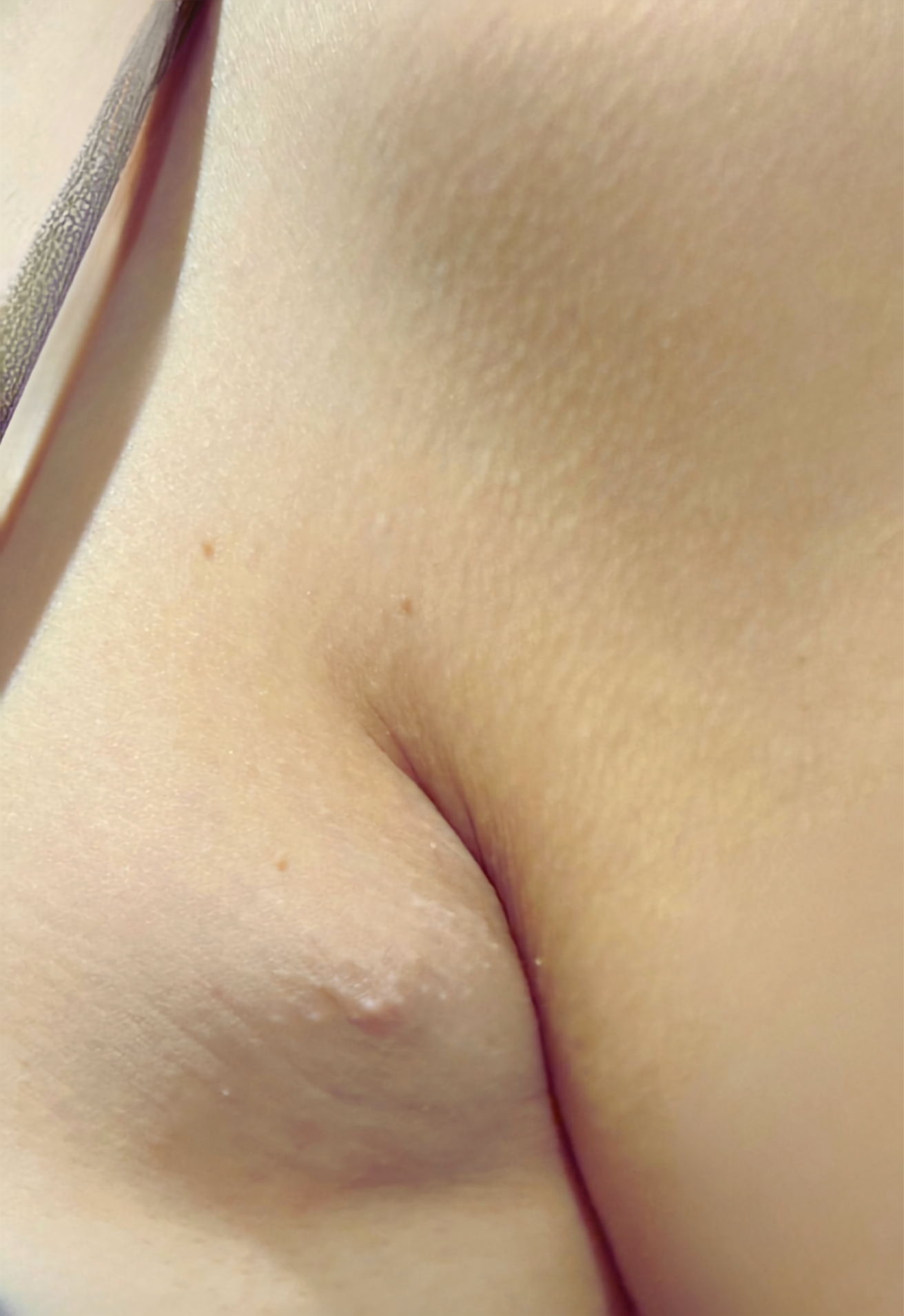
During normal development, most of the milk line regresses before birth, leaving breast tissue only on the chest. When small portions of this tissue persist, accessory breast tissue or extra nipples can develop. These may remain subtle for many years before becoming more noticeable during puberty, pregnancy or other hormonal changes.
In some cases, accessory breast tissue may:
- Swell or become tender during menstruation or pregnancy
- Feel similar to normal breast tissue
- Be mistaken for fat, enlarged lymph nodes or other underarm lumps
Why is accessory breast tissue or extra nipple removal performed?
Accessory breast tissue or extra nipples are often benign and do not always require treatment. However, surgery may be considered when they cause physical discomfort, interfere with daily activities, or affect body contour and confidence. Because glandular breast tissue does not typically respond to weight loss or exercise, surgical removal is often the most effective way to address persistent symptoms or fullness.
Functional reasons
- Persistent underarm bulge or swelling, particularly during hormonal changes such as menstruation or pregnancy
- Tenderness, sensitivity or cyclical discomfort
- Chafing, irritation or friction against clothing
- Difficulty maintaining hygiene in deeper skin folds (in more prominent cases)
Aesthetic reasons
- Visible fullness affecting the contour of the underarm or chest
- Difficulty wearing fitted or sleeveless clothing comfortably
- Asymmetry between the two sides
- Presence of an extra nipple that affects the appearance of the skin
What treatment options are available for accessory breast tissue or extra nipples?
The most appropriate treatment depends on the type of tissue involved and the underlying cause of the concern. Some cases are caused primarily by glandular breast tissue, while others involve excess fat, loose skin or an extra nipple.
TREATMENT | HOW IT WORKS | BEST SUITED FOR |
Excision of accessory breast tissue | Glandular accessory breast tissue is surgically removed through a carefully placed incision, usually hidden within the natural underarm crease. Because glandular tissue does not respond significantly to weight loss or exercise, surgical excision is often the most effective treatment for long-term improvement. |
|
Liposuction or RFAL (Radiofrequency Assisted Lipolysis) (for fat-dominant areas) | If the fullness is caused mainly by excess fat rather than glandular breast tissue, liposuction/RFAL may be performed to remove fat through a small cannula and improve the contour of the underarm area. |
|
Removal of extra nipples (Polythelia) | Extra nipples can be removed through a minor surgical procedure. The additional nipple tissue is carefully excised and the area is closed with fine sutures to leave a small, discreet scar. |
|
What are the benefits of removing accessory breast tissue or extra nipples?
Removing accessory breast tissue or extra nipples addresses the underlying cause of persistent fullness or prominent nipple tissue, helping to improve both comfort and body contour. Depending on the type of tissue removed, patients may experience both functional and aesthetic benefits.
Potential benefits include:
- A smoother, more defined underarm and chest contour
- Reduced or resolved hormonally related swelling, tenderness or discomfort
- Improved clothing fit, particularly in sleeveless or tailored garments
- A more balanced and proportionate body silhouette
- Removal of visible or distracting extra nipple tissue
- Long-lasting results, particularly when glandular accessory breast tissue is excised
Who is suitable for accessory breast tissue or extra nipple removal?
Accessory breast tissue or extra nipple removal may be suitable for individuals who experience physical discomfort, functional limitations or aesthetic concerns related to these conditions. A clinical assessment is important to confirm that the fullness is due to accessory breast tissue rather than excess fat, enlarged lymph nodes or other underlying causes.
You may be suitable for this procedure if you:
- Have accessory breast tissue in the underarm, chest wall or elsewhere along the milk line
- Experience swelling, tenderness or discomfort that worsens with hormonal changes, such as menstruation or pregnancy
- Notice persistent fullness that affects the contour of the underarm or chest
- Have an extra nipple that causes cosmetic concern
- Experience difficulty wearing fitted or sleeveless clothing comfortably
- Prefer a long-term surgical solution after clinical assessment confirms it is appropriate
What to expect during accessory breast tissue or extra nipple removal
Accessory breast tissue or extra nipple removal is carefully planned to address the underlying tissue while preserving a smooth, natural contour. The exact approach depends on the type of tissue involved and your individual anatomy.
Before procedure
Before the procedure, a detailed assessment is performed to determine the underlying cause of the fullness or prominent nipple tissue. This involves evaluating whether the concern is due to glandular breast tissue, fatty tissue, excess skin or a combination of these factors.
Dr Pearlie will also assess the texture, distribution and symmetry of the area, together with your skin quality and overall chest and underarm contour. This helps determine the most appropriate surgical approach and achieve a smooth, natural-looking result.
During the procedure
The procedure is performed in a controlled and methodical sequence, with each step focused on removing the underlying tissue while preserving a smooth, natural contour. It involves:
- Anaesthesia and preparation – anaesthesia is administered to ensure comfort throughout the procedure. The procedure can be performed under local anaesthesia with/without sedation. For larger areas, general anaesthesia may be preferred. The treatment area is then carefully marked based on pre-procedure planning, guiding both removal and contour refinement.
- Incision placement – a small, strategically placed incision is made. It is most commonly within the natural crease of the underarm. This allows access to the tissue while keeping any resulting scar as discreet as possible.
- Tissue identification and removal – our surgeon carefully identifies the accessory breast tissue and separates it from surrounding structures.
- If glandular tissue is present, it is excised directly, as it cannot be effectively removed with liposuction
- Care is taken to remove the tissue evenly to avoid irregularities
- Contour refinement (if required) – if there is a fatty component, liposuction may be performed using a fine cannula. This helps smooth the surrounding area and ensures a more natural transition between the underarm and chest.
- Symmetry check and closure – once the desired contour is achieved, both sides are assessed for balance and proportion. The incision is then closed in layers to support proper healing and minimise visible scarring.
- Dressing and support – dressings are applied and, in most cases, a compression garment will be recommended and provided to help reduce swelling and support the healing contour.
Immediately after
Following the procedure, you will be monitored in the recovery area until you are comfortable and medically stable. In most cases, accessory breast tissue or extra nipple removal is performed as a day procedure, allowing you to return home on the same day.
Before discharge, you will receive instructions on wound care, activity restrictions and prescribed medications. Dressings will be applied to the treated area and, where appropriate, a compression garment may be recommended to reduce swelling and support healing.
A follow-up appointment will be arranged to assess your recovery, monitor wound healing and review your surgical outcome. Additional visits may be recommended depending on the extent of the procedure and your individual progress.
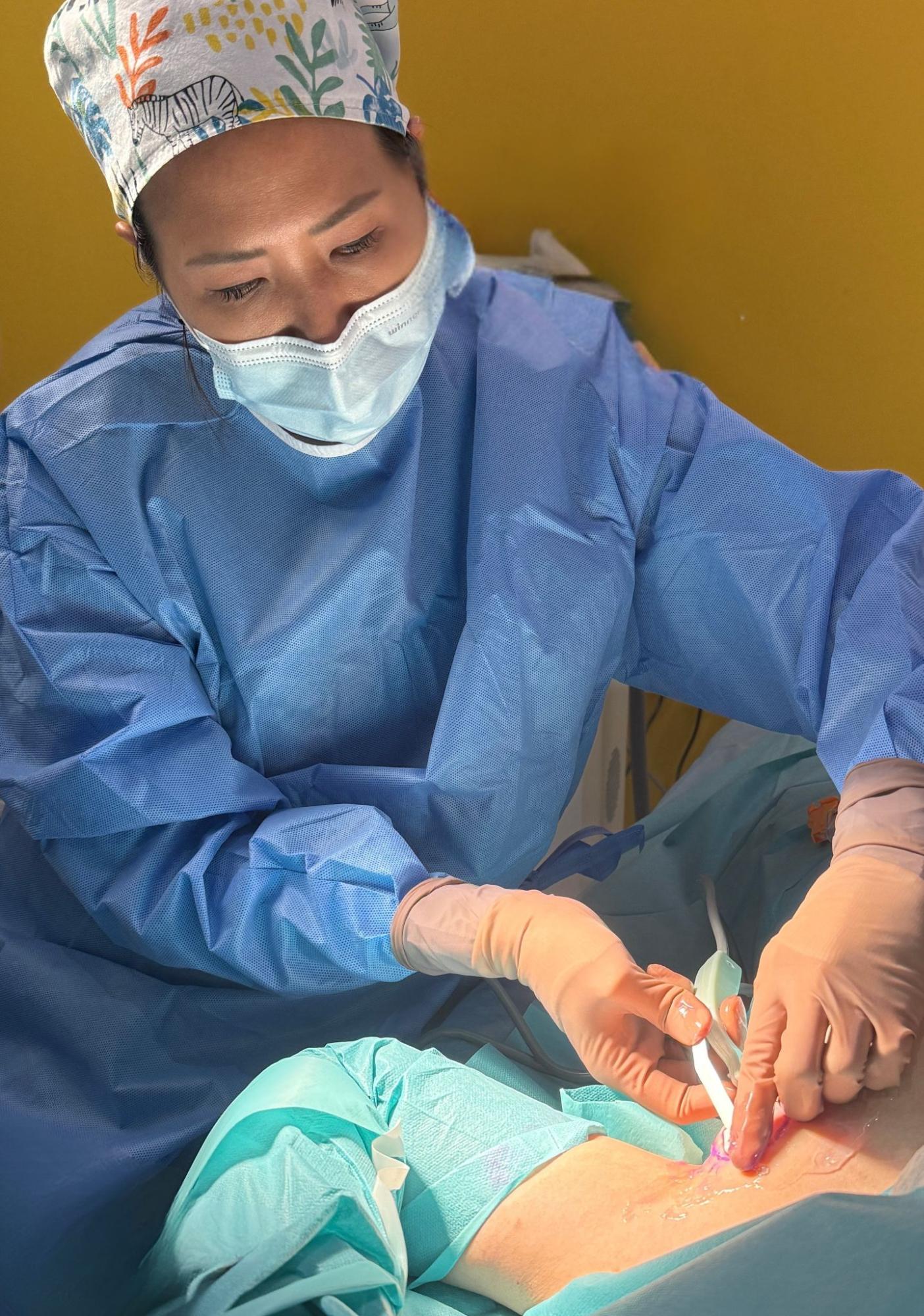
Recovery after accessory breast tissue or extra nipple removal
Recovery varies depending on the amount of tissue removed and whether the procedure involves glandular tissue, liposuction, extra nipple excision or a combination of techniques. While most patients recover steadily, the treated area continues to settle over the weeks that follow.
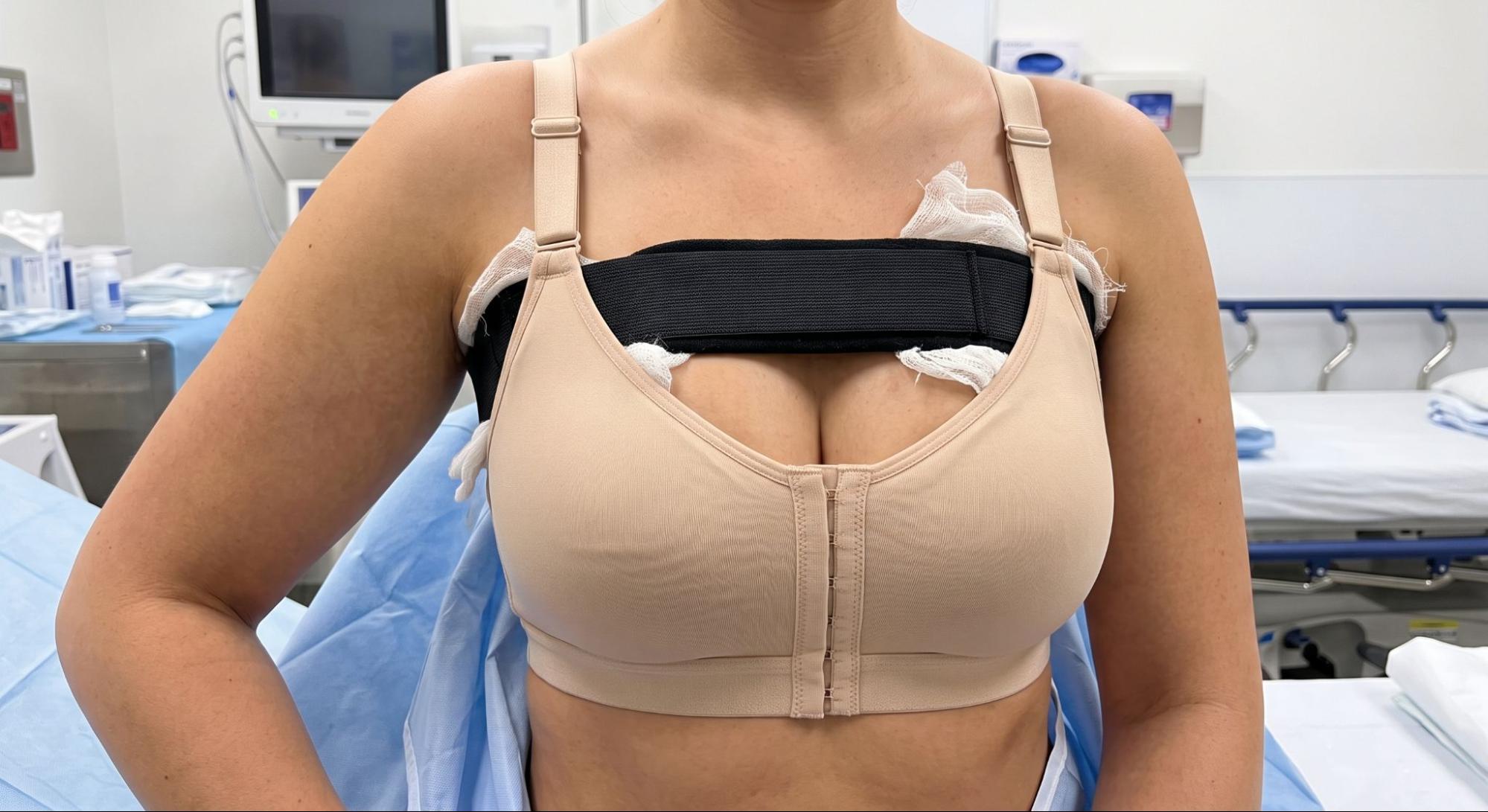
Initial recovery (First week) |
|
Early healing (Week 2 to 4) |
|
Continued recovery (After 1 month) |
|
How to tell if you have accessory breast tissue
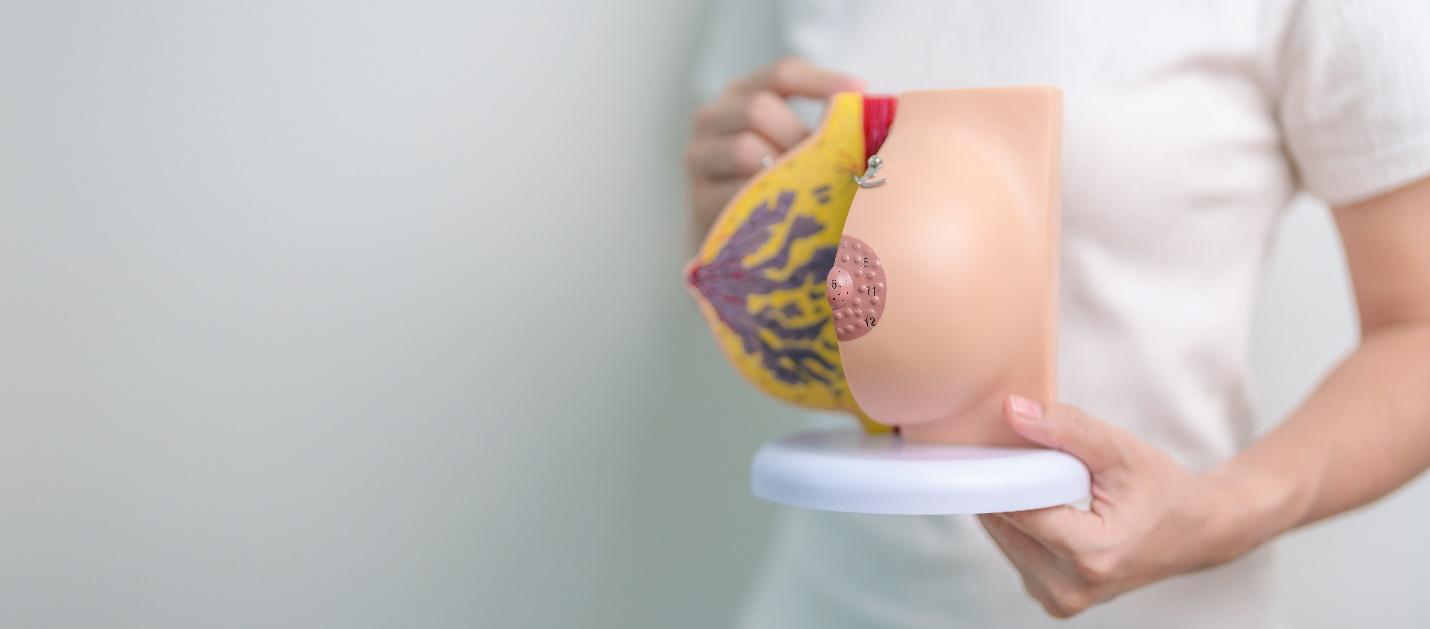
Not all underarm fullness is caused by accessory breast tissue. In some cases, the fullness may be due to excess fat, enlarged lymph nodes or skin laxity. Because these conditions can appear similar, a clinical assessment is important to determine the underlying cause.
You may have accessory breast tissue if the area:
- Feels firmer than surrounding fatty tissue
- Becomes more noticeable or tender during hormonal changes, such as menstruation, pregnancy or breastfeeding
- Appears as a persistent underarm bulge that does not improve despite weight loss
- Is present on one or both sides of the body
- Feels similar in texture to normal breast tissue
Although these features may suggest accessory breast tissue, they are not enough to confirm the diagnosis. A proper evaluation helps distinguish accessory breast tissue from fat, enlarged lymph nodes and other causes of underarm fullness, ensuring that the most appropriate treatment can be recommended.
Accessory breast tissue vs Armpit fat vs Skin laxity
Not all underarm fullness is caused by the same underlying issue. Differentiating between these conditions is key, as each requires a different treatment approach.
FEATURE | ACCESSORY BREAST TISSUE | ARMPIT FAT | SKIN LAXITY |
Tissue type | Glandular (breast tissue) | Fat | Loose skin |
Texture | Firmer, may feel nodular | Soft, compressible | Thin, loose or crepey |
Hormonal changes | May swell or become tender during cycles | No significant change | No change |
Response to weight loss | Minimal | Reduces with weight loss | May worsen (looser skin) |
Common location | Along the milk line (often underarm) | Generalised underarm area | Underarm fold or arm-chest junction |
Best treatment | Surgical excision ± liposuction/RFAL (Radiofrequency Assisted Lipolysis) | Liposuction/RFAL (Radiofrequency Assisted Lipolysis) | Skin tightening or excision |
How much does accessory breast tissue or extra nipple removal cost in Singapore?
The cost of this procedure in Singapore can vary quite a bit, as it depends on the nature and extent of the tissue being addressed. Some cases involve a small, localised removal of extra nipple tissue, while others may require excision of accessory breast tissue in the underarm or chest area, which can involve a more complex surgical approach. The choice of technique, anaesthesia and whether liposuction is combined with excision all play a role in shaping the overall fee.
At Pearl Plastic Surgery, accessory breast tissue or extra nipple removal starts from S$6,000. A more accurate estimate is usually provided after consultation, once the type of tissue, extent of removal and surgical plan have been assessed in detail. This ensures the cost reflects the actual treatment required rather than a standardised package.
Book a personalised consultation
If you have persistent underarm fullness or an extra nipple that causes discomfort or affects your confidence, a consultation is the first step towards understanding the underlying cause.
During your consultation, Dr Pearlie Tan will assess the area to determine whether the concern is due to accessory breast tissue, fatty tissue, excess skin or another condition. Based on your anatomy and goals, she will explain the most appropriate treatment options and what results you can realistically expect.
To learn more about your options, schedule an appointment with us today.
Frequently Asked Questions
Is accessory breast tissue common in Singapore?
Yes, accessory breast tissue is relatively common and often becomes more noticeable during hormonal changes such as puberty, pregnancy or breastfeeding.
What is axillary breast tissue and how is it treated in Singapore?
Axillary breast tissue refers to accessory breast tissue located in the underarm area. In Singapore, treatment typically involves surgical removal, sometimes combined with liposuction, or liposuction/RFAL alone depending on whether the tissue is glandular, fatty or mixed.
Is underarm fat always accessory breast tissue?
No, underarm fullness can be due to fat, glandular tissue or skin laxity. A proper assessment is needed to determine the cause, as treatment differs for each.
What is the difference between accessory breast tissue and lymph nodes?
Accessory breast tissue is glandular and may fluctuate with hormones, while lymph nodes are part of the immune system. A clinical assessment is important to differentiate between them accurately.
Can accessory breast tissue become cancerous?
Accessory breast tissue is subject to the same conditions as normal breast tissue, including rare risks of benign or malignant changes. While uncommon, medical evaluation is recommended if there are changes in size, texture or associated discomfort.
Can men have accessory breast tissue?
Yes, while less commonly discussed, men can also develop accessory breast tissue and may seek removal for contour or comfort reasons.
Will removing accessory breast tissue improve arm contour?
In many cases, yes. Removal helps create a smoother transition between the underarm and chest, improving overall contour, especially in fitted clothing.
Is accessory breast tissue removal a day surgery in Singapore?
Yes, it is commonly performed as a day surgery, allowing patients to return home on the same day, depending on the extent of the procedure.
How long does accessory breast tissue removal take?
The procedure typically takes about 1 to 2 hours, depending on whether one or both sides are treated and whether liposuction is included.
Can this procedure be combined with other treatments?
Yes, it may be combined with procedures such as liposuction or breast surgery, depending on your overall goals and anatomical needs.
Do I need a scan or imaging before accessory breast tissue removal?
In most cases, a clinical assessment is sufficient. However, imaging such as ultrasound may be recommended if there is uncertainty about the nature of the tissue or to rule out other conditions.
How long is the downtime?
Most patients return to light activities within 1 to 2 weeks, although full healing continues over several weeks.
When can I exercise after accessory breast tissue removal?
Light activities can usually be resumed within 1 to 2 weeks. More strenuous upper-body exercise is typically delayed for a few weeks based on our surgeon’s advice.
Is the procedure painful?
Most patients experience mild discomfort rather than pain. This is usually manageable with medication and improves within a few days.
Can accessory breast tissue go away with weight loss?
No, true glandular breast tissue does not respond significantly to weight loss. While fat may be reduced, the underlying tissue often remains.
Can accessory breast tissue come back after removal?
Once glandular tissue is removed, it does not grow back. However, remaining fat in the area can still change with weight fluctuations.
Will there be visible scars?
Incisions are typically placed in discreet areas such as the underarm crease. Scars generally fade over time and become less noticeable.
Is this procedure claimable by insurance or MediSave in Singapore?
Removal for purely aesthetic reasons is generally not claimable. In selected medical cases, eligibility depends on clinical indication and prevailing MOH guidelines.