Brachioplasty (Arm Lift)

Jump to ↓

The upper arms can change with age, weight fluctuations and significant weight loss. While some individuals are concerned about excess arm fat, others develop loose or stretched skin that does not fully retract despite maintaining a stable weight and active lifestyle.

This excess skin can affect arm contour and overall body proportion, and in some cases cause rubbing, irritation or discomfort during daily activities.

When skin elasticity is no longer sufficient for the tissue to retract naturally, brachioplasty may be considered to remove excess skin and create a smoother, more proportionate upper arm contour.

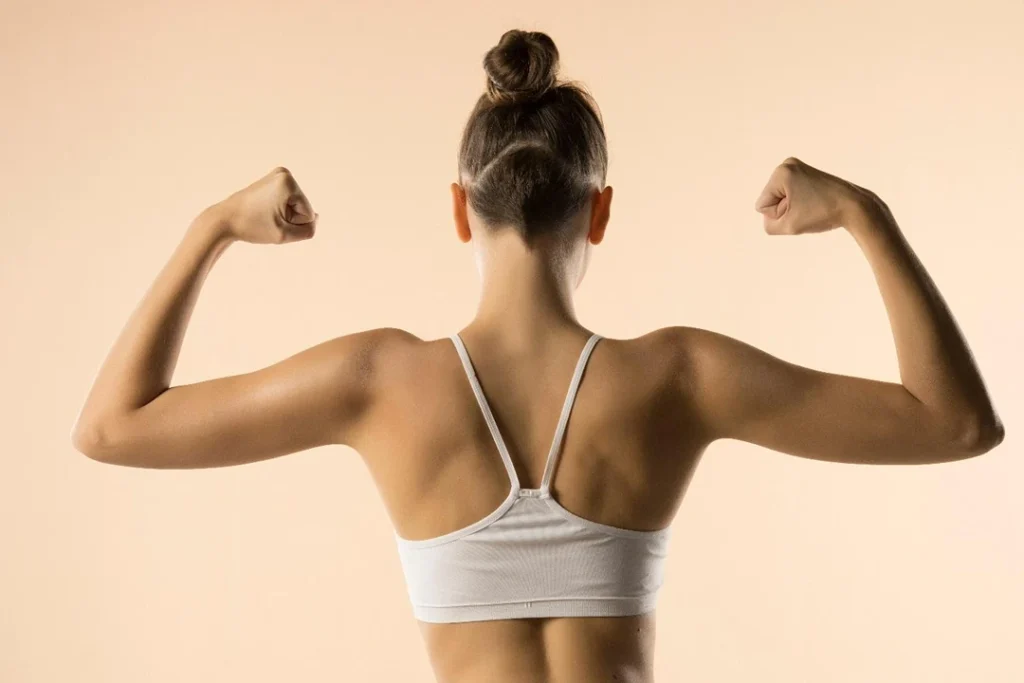
brachioplasty Singapore arm lift surgery excess upper arm skin removal.
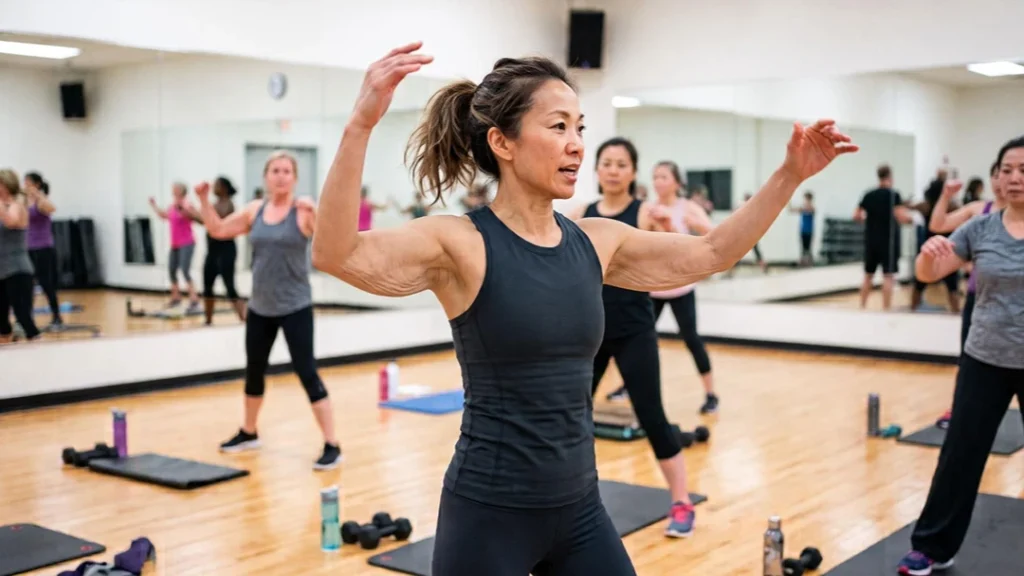
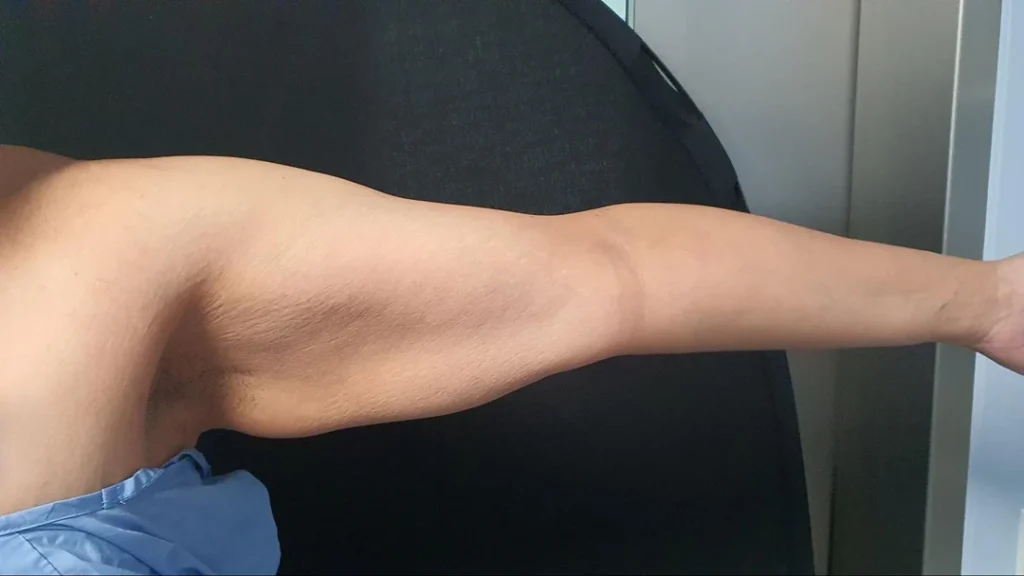
Excess upper arm skin can persist despite weight loss and exercise, affecting arm contour, clothing fit and overall body proportion.

What is brachioplasty?

Brachioplasty, commonly known as an arm lift, is a body contouring procedure that removes excess skin from the upper arms and, where appropriate, reduces excess fat to improve arm shape and proportion.

The procedure primarily addresses skin laxity that cannot be corrected through exercise or weight loss alone. Depending on the individual’s anatomy, brachioplasty can help:

  • Remove excess upper arm skin
  • Reduce loose or hanging tissue
  • Improve upper arm contour and definition
  • Address skin folds following significant weight loss
  • Reduce rubbing or discomfort caused by excess skin

The goal is to create a smoother and more proportionate upper arm contour that complements the rest of the body.

Are all arm contouring procedures the same?

Not all arm contour concerns require the same treatment. The most appropriate approach depends on whether excess fat, loose skin or a combination of both is affecting the upper arm contour.

arm lift versus arm liposuction Singapore.
Excess abdominal skin may remain after pregnancy or substantial weight loss.
Liposuction and/or energy device-based arm contouring

When excess fat is the main concern and skin elasticity remains good, liposuction can reduce localised fat deposits and create a slimmer arm contour. This is generally more suitable for patients with minimal skin laxity. This may sometimes be combined with RFAL (Radiofequency Assisted Lipolysis). RFAL alone under local anesthesia is also an increasingly popular treatment for patients primarily concerned with loose skin rather than excess fat.

For selected patients with good skin elasticity who want greater arm definition, high-definition liposuction can be used to selectively reduce fat and enhance the underlying muscular contours of the upper arm. Rather than focusing only on reducing arm volume, the technique aims to create more defined transitions between areas such as the biceps, triceps and shoulder.

For mild to moderate excess skin concentrated near the armpit, a mini arm lift can remove a smaller amount of redundant skin through a more limited incision.

For more significant skin laxity extending along the upper arm, standard brachioplasty removes excess skin and reshapes the remaining tissue to create a smoother contour.

When both excess skin and excess fat are present, liposuction can be combined with brachioplasty to address volume and skin laxity during the same procedure.

When do people consider brachioplasty?

Brachioplasty is often considered when excess upper arm skin persists despite weight loss, exercise or maintaining a stable weight. Common concerns include:

  • Loose or hanging upper arm skin
  • A “bat wing” appearance
  • Excess skin following significant weight loss
  • Loss of arm definition with ageing
  • Upper arms that appear disproportionate to the rest of the body
  • Difficulty wearing fitted or sleeveless clothing comfortably
  • Rubbing, irritation or discomfort caused by excess skin

What happens during a brachioplasty consultation?

Treatment planning begins with an assessment of the upper arms, skin quality and overall body proportions. During the consultation, Dr Pearlie will assess:

  • Medical and weight history – including previous weight changes, medical conditions and past surgeries that could affect treatment or recovery.
  • Skin quality and laxity – to determine whether liposuction alone could be appropriate or whether excess skin needs to be removed.
  • Fat and tissue distribution – to understand whether the concern is primarily excess skin, excess fat or a combination of both.
  • Arm proportions – including how the upper arms relate to the shoulders, chest and torso.
  • Goals and expectations – to determine the most appropriate surgical approach and discuss expected outcomes.
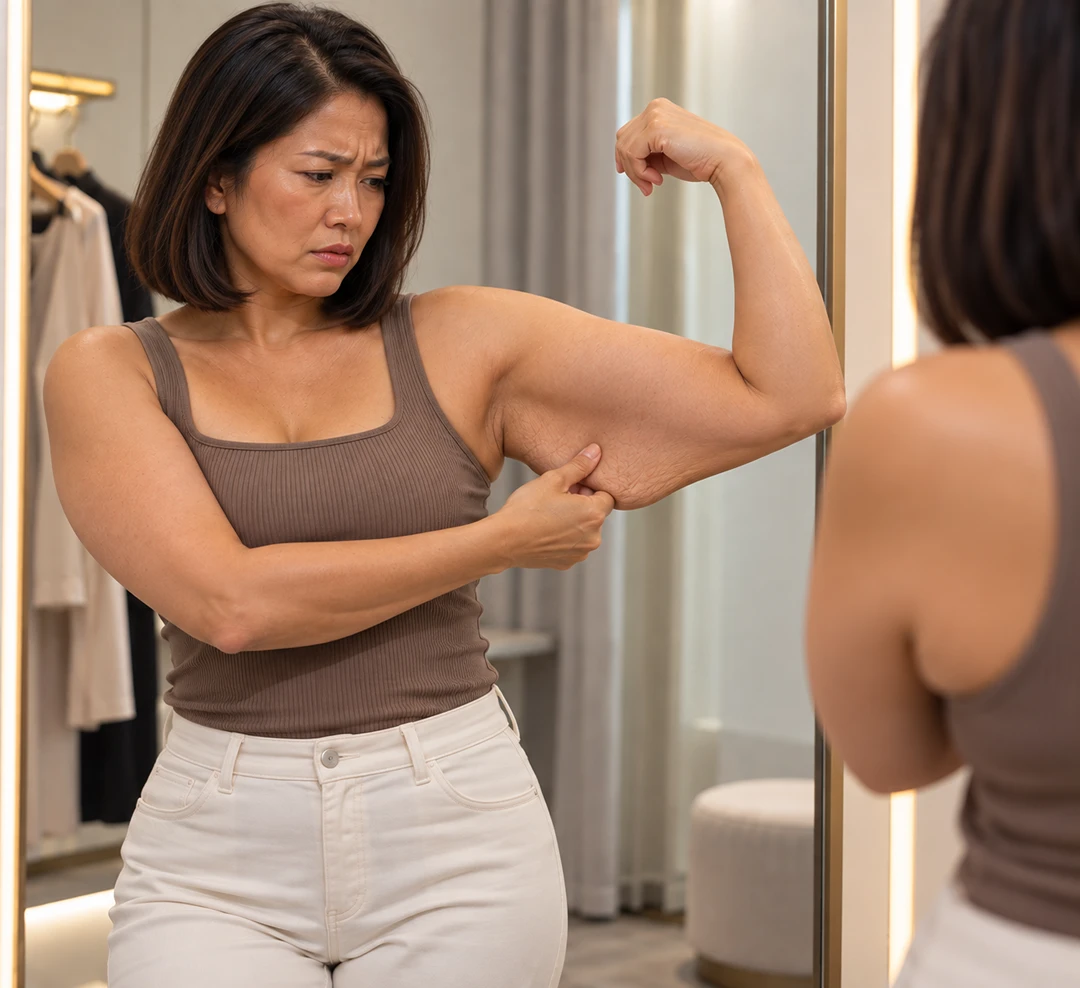
arm lift surgery after weight loss Singapore.
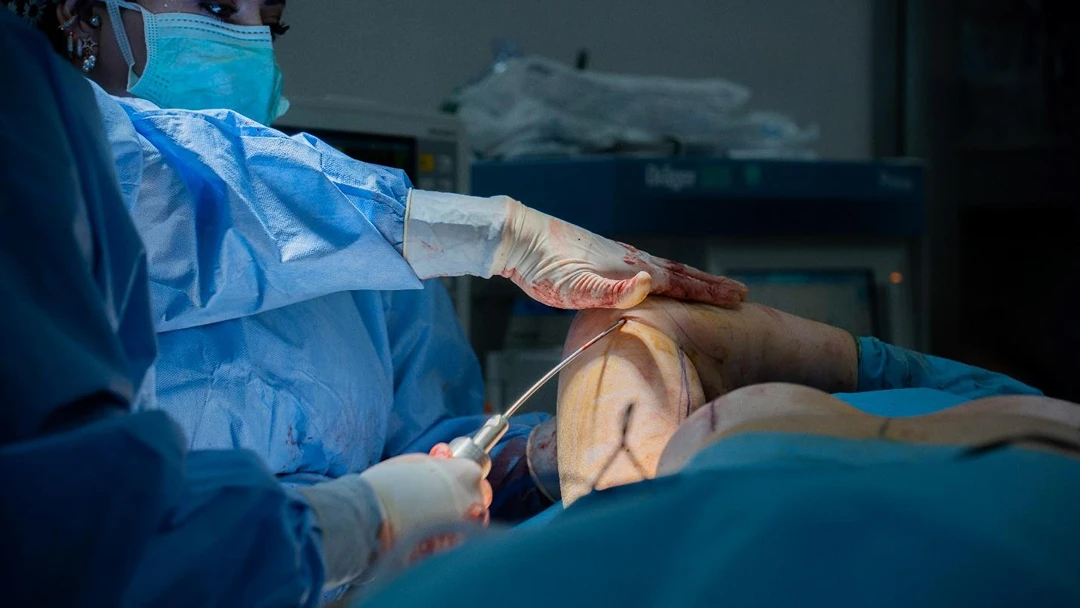
Arm lift surgery is often considered when excess skin affects arm contour, clothing fit or confidence despite maintaining a stable weight.

What happens during brachioplasty surgery?

The exact technique depends on the amount and location of excess skin, whether excess fat is also present and the planned incision. The procedure generally involves:

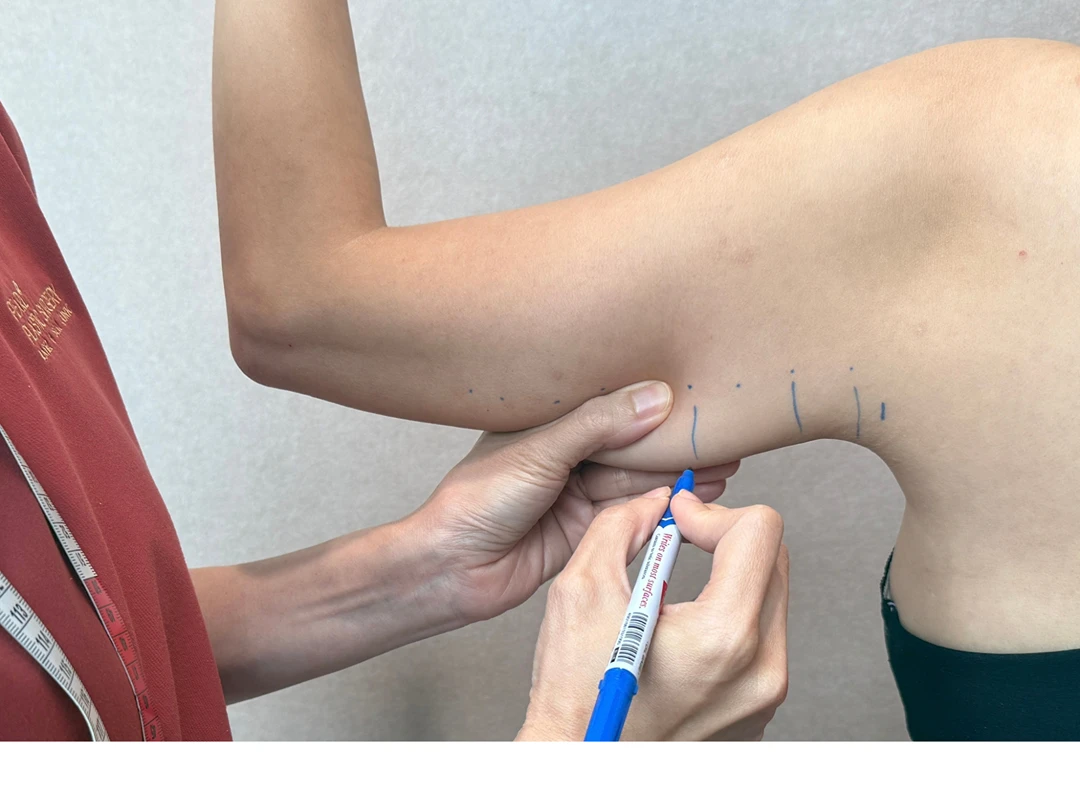
  • Surgical markings – the arms are marked before surgery to identify excess skin and plan the incision and final contour.
  • Anaesthesia – brachioplasty is performed under anaesthesia for comfort during the procedure.
  • Removal of excess skin and fat – redundant skin is removed, while liposuction can be performed when excess fat also contributes to arm fullness.
  • Arm reshaping – the remaining tissues are repositioned and refined to create a smoother contour between the upper arm, shoulder and armpit.
  • Incision closure – the incisions are carefully closed in layers to support healing and minimise tension.
  • Compression garment – a compression garment is typically worn after surgery to help manage swelling and support the arms during recovery.
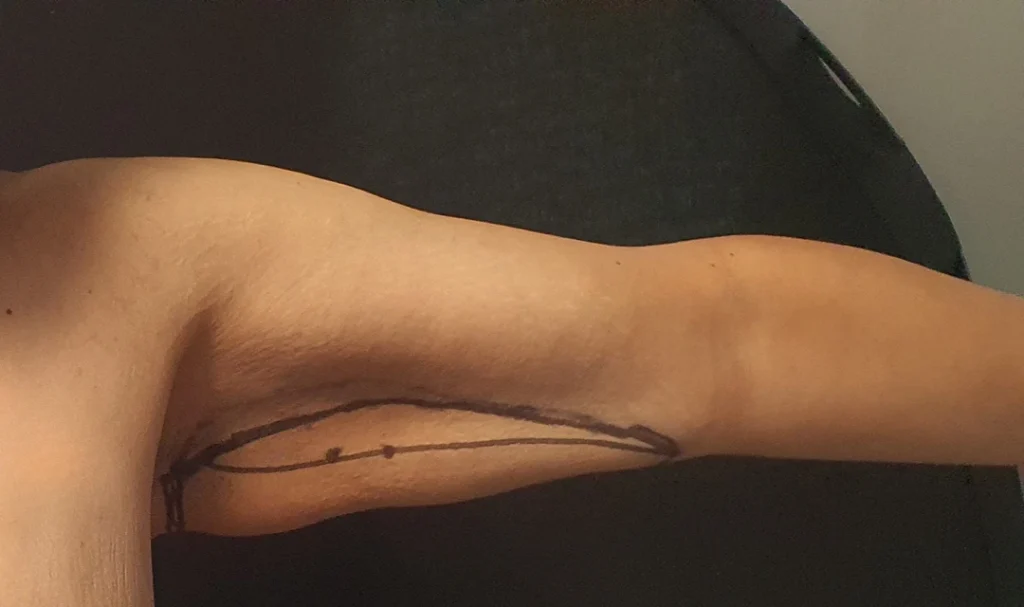
Preoperative surgical markings along the inner upper arm before brachioplasty (arm lift) surgery.
Preoperative markings outline the planned incision, amount of tissue removal and final scar position for an upper arm lift (brachioplasty).
arm lift surgery results Singapore upper arm contour improvement.
The goal of brachioplasty is to improve arm contour and proportion while maintaining a natural appearance.

What results can brachioplasty achieve?

Brachioplasty aims to create a smoother, more proportionate upper arm contour by removing excess skin and reshaping the underlying tissues.

Potential improvements include:

  • Reduced loose or hanging skin
  • Smoother upper arm contours
  • Improved arm definition
  • Better proportion between the arms and upper body
  • Improved fit of fitted or sleeveless clothing
  • Reduced rubbing or discomfort caused by excess skin

Recovery after brachioplasty

Recovery period

What to expect

First few weeks

Swelling, bruising and tightness are common. Arm movement can feel restricted initially, and a compression garment is routinely worn to support healing.

First few months

Swelling gradually decreases and the upper arm contour becomes more defined. Most routine activities can be resumed progressively as healing allows.

Long-term maturation

Scars continue to mature and fade while residual swelling settles and the final arm contour becomes more apparent.

Because healing continues beneath the surface, the final contour and scar appearance can continue to evolve for several months after surgery.

Why does surgeon expertise matter in brachioplasty?

Brachioplasty requires careful planning because the surgeon must balance how much skin to remove, where to position the scar and how to maintain a natural upper arm contour.

Scar placement is particularly important, as brachioplasty typically involves a longer incision that can remain visible when wearing certain clothing. The surgeon must also avoid excessive tissue removal or tension that could affect healing, symmetry and the final arm shape.

Dr Pearlie Tan believes that scar management is just as important as the procedure itself. While scars are an unavoidable part of removing excess skin, careful incision placement, meticulous closure and appropriate post-operative scar care can influence how the scar heals and matures over time.

For this reason, scar planning and management are considered from the beginning of treatment rather than only after surgery.

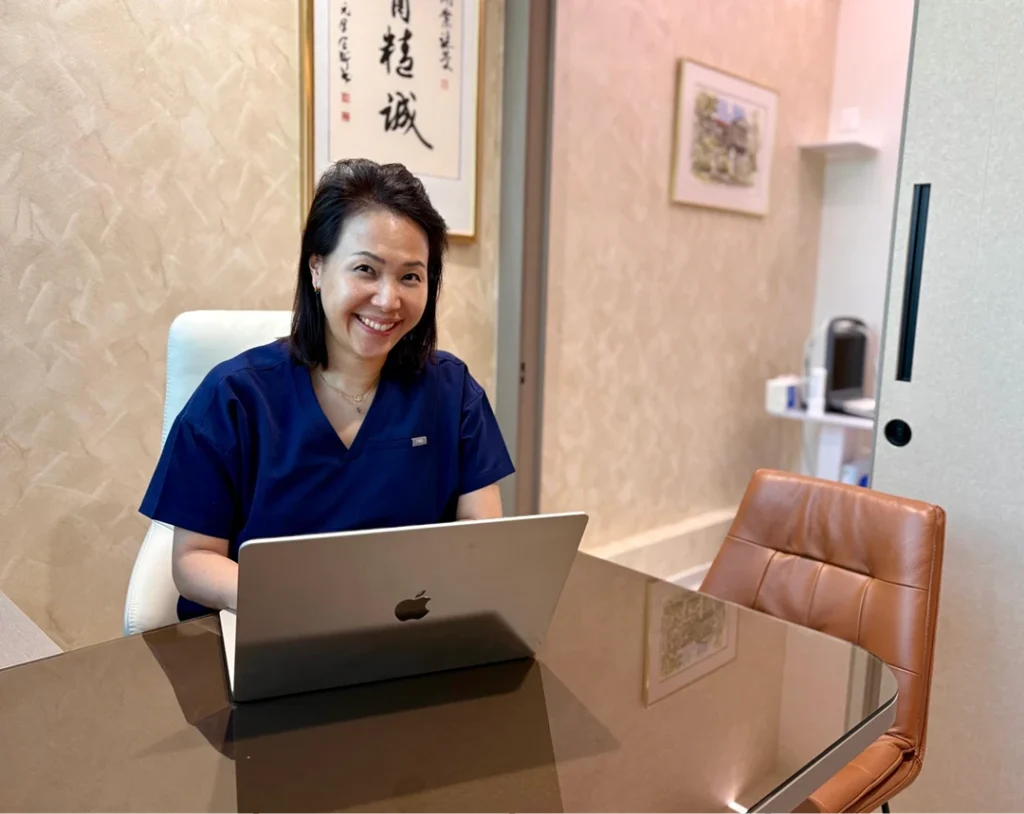
Dr Pearlie Tan marking the inner upper arm before brachioplasty surgery.
Dr Pearlie Tan marks the inner upper arm before brachioplasty, planning the incision and tissue removal according to the patient’s anatomy.

How much does brachioplasty cost?

The cost of brachioplasty varies depending on the extent of excess skin, the complexity of the procedure and whether additional procedures such as liposuction are performed at the same time. Anaesthesia, operating facility and post-operative care fees can also affect the overall cost. Brachioplasty at Pearl Plastic Surgery starts from SGD $8,000.

A consultation with Dr Pearlie Tan is required to assess the extent of skin laxity, discuss the appropriate surgical approach and provide a personalised quotation.

Book a consultation

Loose upper arm skin can vary considerably depending on factors such as ageing, previous weight changes, skin elasticity and the distribution of underlying tissue.

During your consultation, Dr Pearlie Tan will assess your upper arms and discuss whether brachioplasty, liposuction or a combination approach is appropriate for your concerns and desired outcome.

Book an appointment to discuss your arm contour concerns and available treatment options.

Every arm contour concern is different, which is why treatment begins with understanding the factors contributing to excess skin, tissue redundancy and loss of arm definition.

Frequently Asked Questions

Can brachioplasty remove “bat wings”?

Yes. Brachioplasty removes loose, hanging upper arm skin commonly described as “bat wings”. Depending on the amount of excess fat present, liposuction can also be performed alongside the procedure.

Yes. Because brachioplasty requires an incision to remove excess skin, scarring is unavoidable. The length and position of the scar depend on the amount and location of skin being removed. Careful scar placement, surgical closure and post-operative scar management can help optimise how the scar heals and matures, making it less obvious over time

Many patients can gradually return to routine daily activities within a few weeks. However, swelling continues to settle and scars mature over several months, so the final contour continues to evolve after the initial recovery period.

Exercise can strengthen and define the muscles of the upper arms, but it cannot remove excess skin or skin that has lost significant elasticity. This is why someone can have well-developed arm muscles while still experiencing loose and hanging “bat-wings”.

The skin removed during brachioplasty does not grow back. However, ageing, significant weight changes and changes in skin elasticity can affect the appearance of the arms over time.

Yes. Depending on the patient’s concerns and overall treatment plan, brachioplasty can be combined with procedures such as liposuction, abdominoplasty or other post-weight-loss body contouring procedures.