
Mummy Makeover

Pregnancy, childbirth and breastfeeding can bring lasting changes to the body, particularly the breasts, abdomen and waistline. Even after returning to a stable weight, most women experience loose abdominal skin, breast sagging, reduced breast volume or changes in body contour that exercise and diet alone cannot fully address.
A mummy makeover is a personalised combination of surgical procedures designed to address these post-pregnancy changes. Depending on individual concerns, it can include a breast lift, tummy tuck, abdominal muscle repair or liposuction to improve breast and body contours.
Rather than following a fixed set of procedures, each mummy makeover is tailored to the patient’s anatomy, goals and recovery needs. Surgery can be performed in a single session or staged over time, depending on the extent of correction required and individual safety considerations.

What can happen to the body after pregnancy?
Pregnancy affects the body in several ways. As the baby grows, the abdominal skin and muscles stretch, while hormonal changes influence breast size, skin elasticity and fat distribution. After childbirth and breastfeeding, some of these changes gradually resolve, while other changes become permanent.
Common post-pregnancy changes include:
- Breast sagging or loss of volume — Breasts will lose fullness and appear less lifted following pregnancy and breastfeeding.
- Loose abdominal skin — Stretched skin may not fully retract, particularly after multiple pregnancies or significant changes in weight.
- Abdominal muscle separation (diastasis recti) — The rectus abdominis muscles can remain separated after pregnancy, contributing to a persistent abdominal bulge.
- Changes in rib-cage shape and waistline definition — The rib cage expands during pregnancy to accommodate the growing baby. In many women, changes in the lower rib-cage dimensions persist after childbirth, making the waistline wider and thicker, giving the body an overall more boxy appearance.
- Stubborn fat deposits — Localised fat around the abdomen, waist or flanks may remain despite weight loss.
While exercise and a healthy lifestyle can improve muscle strength and overall body composition, they cannot always correct excess skin or certain structural changes.
What are the procedures commonly included in a Mummy Makeover?
A mummy makeover typically combines breast and abdominal procedures to address physical changes following pregnancy. However, not every patient requires the same combination of treatments. The surgical plan depends on the areas of concern, the extent of correction needed and individual anatomy.
Breast Lift (Mastopexy)
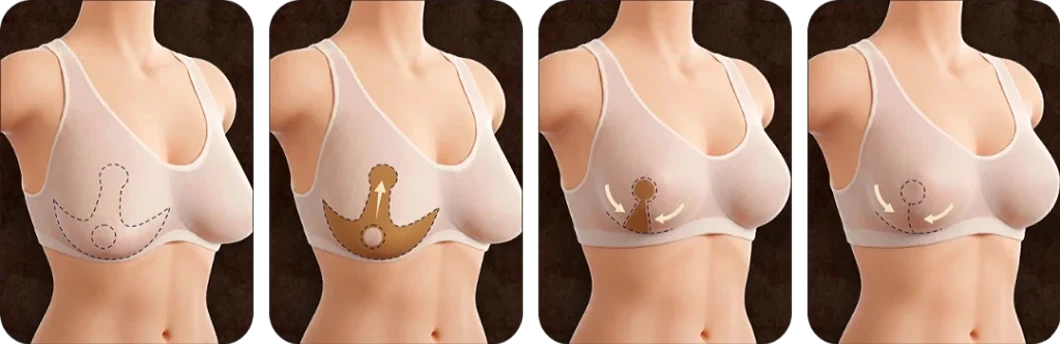
Pregnancy and breastfeeding will change breast volume and skin elasticity, leaving the breasts looking less full or more saggy than before.
A breast lift (mastopexy) removes excess skin and reshapes the breast tissue to improve breast position and contour. For patients who have also lost breast volume, the procedure can be combined with breast augmentation or fat grafting to restore fullness.
Tummy Tuck (Abdominoplasty)
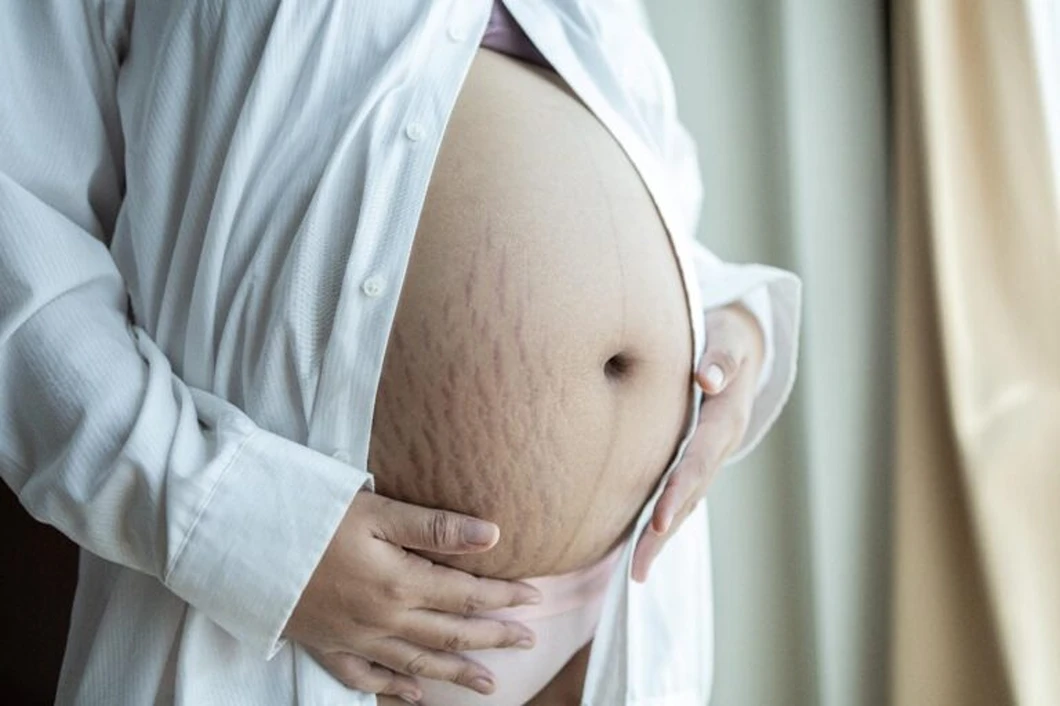
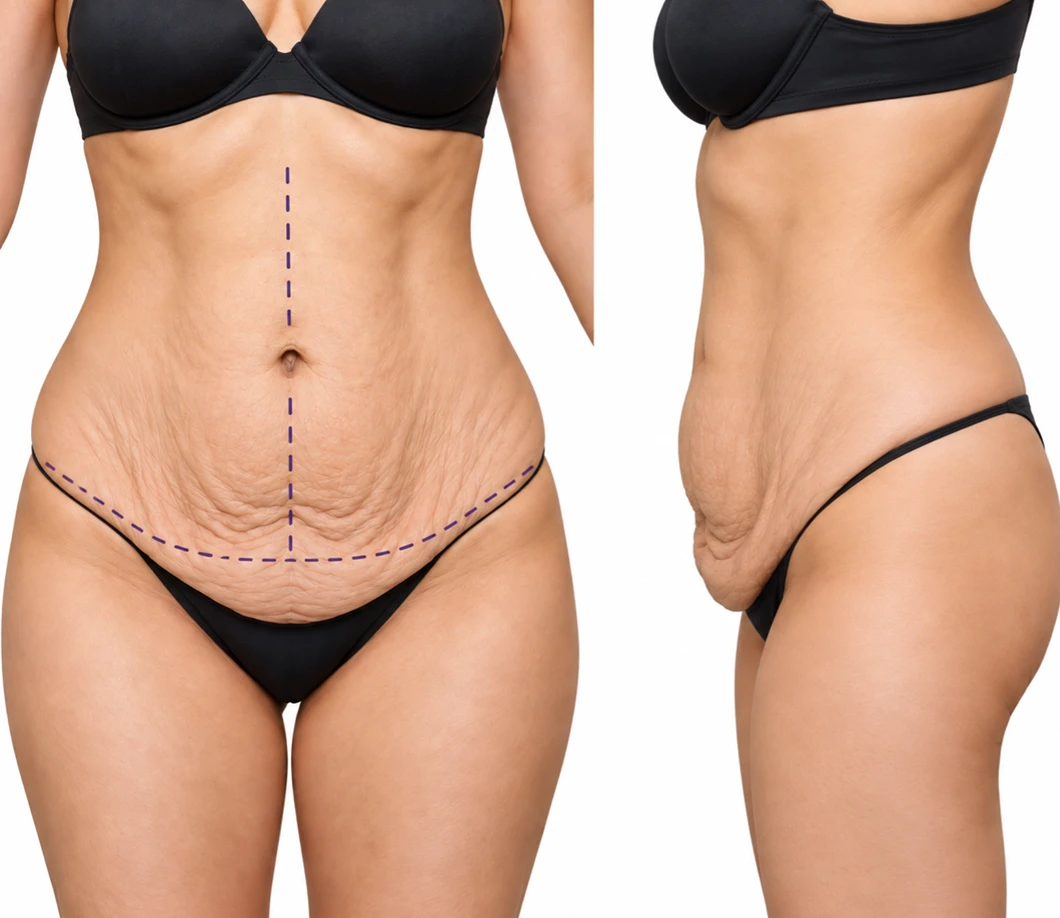
The abdominal skin and underlying tissues stretch during pregnancy. For some women, loose skin and a persistent abdominal bulge remain even after returning to their pre-pregnancy weight.
A tummy tuck (abdominoplasty) removes excess abdominal skin and fat to create a smoother abdominal contour. Where necessary, the procedure can also include diastasis recti repair, which brings the separated abdominal muscles closer together to improve abdominal wall support.

Rib Remodelling and Waist Definition
During pregnancy, your rib cage naturally expands to make room for your growing baby. Although the body recovers somewhat after childbirth, a wider lower chest and thicker waistline often become permanent. Even after losing all their pregnancy weight, many women find they still have a “boxy” silhouette and struggle to zip up fitted dresses.
For selected patients, rib remodelling may be considered to alter the contour of the lower rib cage and create a more define narrower waistline. As this is a specialised procedure involving the ribs, suitability requires careful assessment of the patient’s anatomy, surgical risks and desired outcome.
Liposuction and Additional Body Contouring
Some women experience persistent fat deposits around the abdomen, waist, flanks or thighs that do not respond fully to diet and exercise.
Liposuction removes localised fat deposits to improve body proportions and refine the overall silhouette. It can be performed alongside other mummy makeover procedures when appropriate, although it does not correct significant skin laxity or abdominal muscle separation.
What are the benefits of a Mummy Makeover?
By addressing several post-pregnancy changes through a coordinated surgical plan, a mummy makeover can improve breast and body contours while reducing the need for separate operations.
Depending on the procedures performed, potential benefits include:
- Improved body proportions — Breast lifts, tummy tucks and liposuction can address sagging breasts, loose abdominal skin and localised fat deposits to create a more balanced silhouette.
- Correction of abdominal muscle separation — For women with diastasis recti, abdominal muscle repair can reduce bulging and improve abdominal wall support.
- Greater physical comfort — Removing excess skin or correcting certain structural concerns can help relieve associated discomfort in selected patients.
- Improved confidence and body image — Addressing physical changes that cause personal concern can help some women feel more comfortable with their appearance and clothing choices.
- A more coordinated recovery — When medically appropriate, combining procedures into one operation can reduce the number of separate recovery periods and anaesthetic exposures.

Who may consider a Mummy Makeover?
A mummy makeover may be suitable for women who have experienced lasting physical changes following pregnancy and childbirth, particularly when these changes cannot be fully addressed through diet and exercise.
You may be a suitable candidate if you:
- Experience breast sagging or loss of breast volume after pregnancy or breastfeeding.
- Have loose abdominal skin or a persistent abdominal bulge.
- Have abdominal muscle separation (diastasis recti) that affects abdominal contour.
- Notice changes in waistline definition or stubborn fat deposits.
- Have completed your family or do not plan to have more children.
- Are generally in good health, have maintained a stable weight and have realistic expectations about surgery.
Timing is also an important consideration. Patients are generally advised to allow sufficient time for their bodies to recover from childbirth, complete breastfeeding and reach a stable weight before undergoing surgery. Future pregnancies can also affect the results, particularly after abdominal muscle repair.
How is a Mummy Makeover planned?
The treatment begins with a comprehensive assessment of the breasts and abdomen. Our surgeon will evaluate:
- Skin elasticity and excess skin
- Breast position and volume
- Abdominal muscle separation
- Fat distribution and body contour
- Overall health and lifestyle considerations
Our surgeon will also discuss individual goals, assess the anatomy and medical history. Based on this evaluation and assessment, a personalised treatment plan is developed. Some patients may benefit from a single combined procedure, while others may be advised to stage the surgeries for optimal safety and recovery.
The goal is always to achieve natural, balanced results while maintaining the highest standards of patient safety.
How is a Mummy Makeover planned?
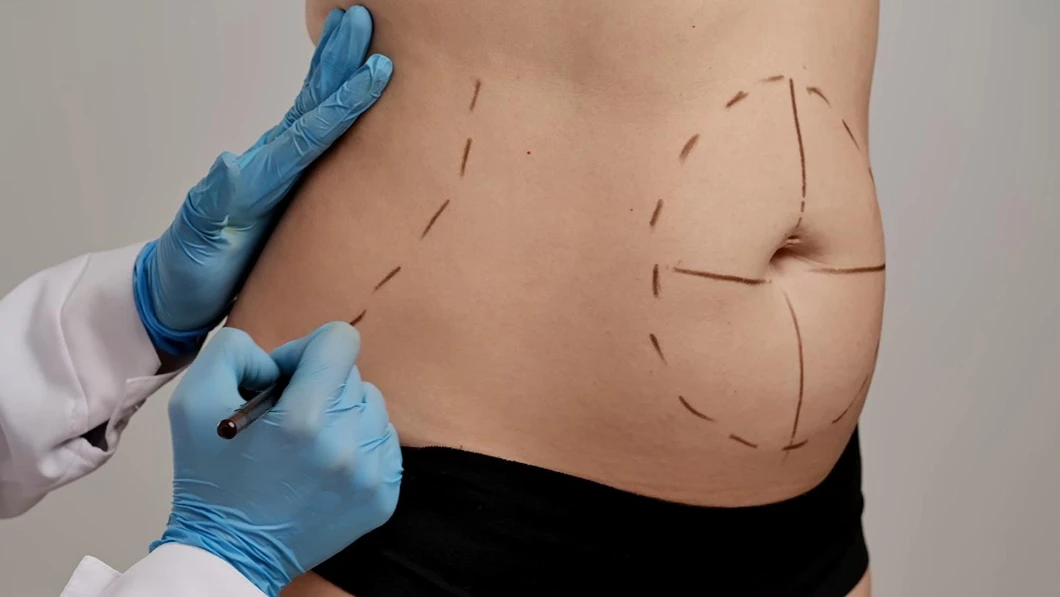
Every mummy makeover begins with a consultation to understand the patient’s concerns, assess their anatomy and determine which procedures can safely achieve their desired results.
During the assessment, Dr Pearlie Tan will evaluate several factors, including:
- Breast position and volume — The degree of sagging, existing breast tissue and whether volume restoration is needed.
- Abdominal skin and muscle condition — The extent of skin laxity, excess tissue and any separation of the abdominal muscles.
- Body proportions and fat distribution — Areas of localised fat and changes in waistline definition.
- Overall health and medical history — Previous surgeries, existing medical conditions and other factors that could affect surgical safety or healing.
- Lifestyle and recovery needs — Childcare responsibilities, available support at home and the time needed away from work or strenuous activities.
Based on these findings, Dr Pearlie will recommend a personalised surgical plan. Some patients can undergo multiple procedures during a single operation, while others may benefit from staging their surgeries to reduce operative risks and allow sufficient recovery between procedures.
The consultation also provides an opportunity to discuss expected outcomes, potential complications, scarring and recovery requirements before deciding whether to proceed.
What to expect from a Mummy Makeover
A mummy makeover involves several stages, from the initial consultation to surgery and recovery. As each treatment plan combines different procedures, the surgical process and recovery timeline will vary depending on the extent of correction required.
Before Surgery
Once the surgical plan is confirmed, patients undergo a preoperative assessment to ensure they are fit for surgery. This may include blood tests, a review of current medications and additional investigations where necessary.
Dr Pearlie will also explain the planned procedures, incision placement, expected results and potential risks. Patients will receive instructions on preparing for surgery, including any necessary medication adjustments, fasting requirements and arrangements for postoperative care.
During Surgery
A mummy makeover is typically performed under general anaesthesia. Depending on the treatment plan, surgery may involve a combination of breast reshaping, removal of excess abdominal skin, abdominal muscle repair or liposuction.
The sequence and duration of surgery depend on the procedures involved. More extensive corrections may require separate operations rather than combining everything into one session.
After Surgery
Following surgery, patients are monitored as they recover from anaesthesia. Depending on the procedures performed and the extent of surgery, an overnight hospital stay or longer observation period may be necessary.
Swelling, bruising, tightness and discomfort are common during the initial recovery period. Patients will receive instructions on wound care, activity restrictions, compression garments and follow-up appointments.
Recovery progresses over several weeks, although swelling can take months to fully resolve and surgical scars continue to mature over time.
Post-treatment care and recovery
Recovery after a mummy makeover depends on the procedures performed and whether multiple surgeries were combined. Patients who undergo both breast and abdominal surgery generally require more recovery time than those having a single procedure.
During the initial healing period, patients should follow their surgeon’s postoperative instructions, which may include:
- Wearing compression garments — Surgical bras or abdominal compression garments may be recommended to provide support and help manage swelling.
- Starting Manual Lymphatic Drainage Massage
- Caring for surgical wounds — Keeping incision sites clean and following wound care instructions helps reduce the risk of complications.
- Avoiding strenuous activities — Heavy lifting, vigorous exercise and movements that strain the surgical areas should be avoided until cleared by the surgeon.
- Arranging help at home — Patients with young children may need assistance with childcare, particularly activities involving lifting or carrying.
- Attending follow-up appointments — Regular reviews allow the surgeon to monitor healing, assess surgical wounds and identify potential complications.
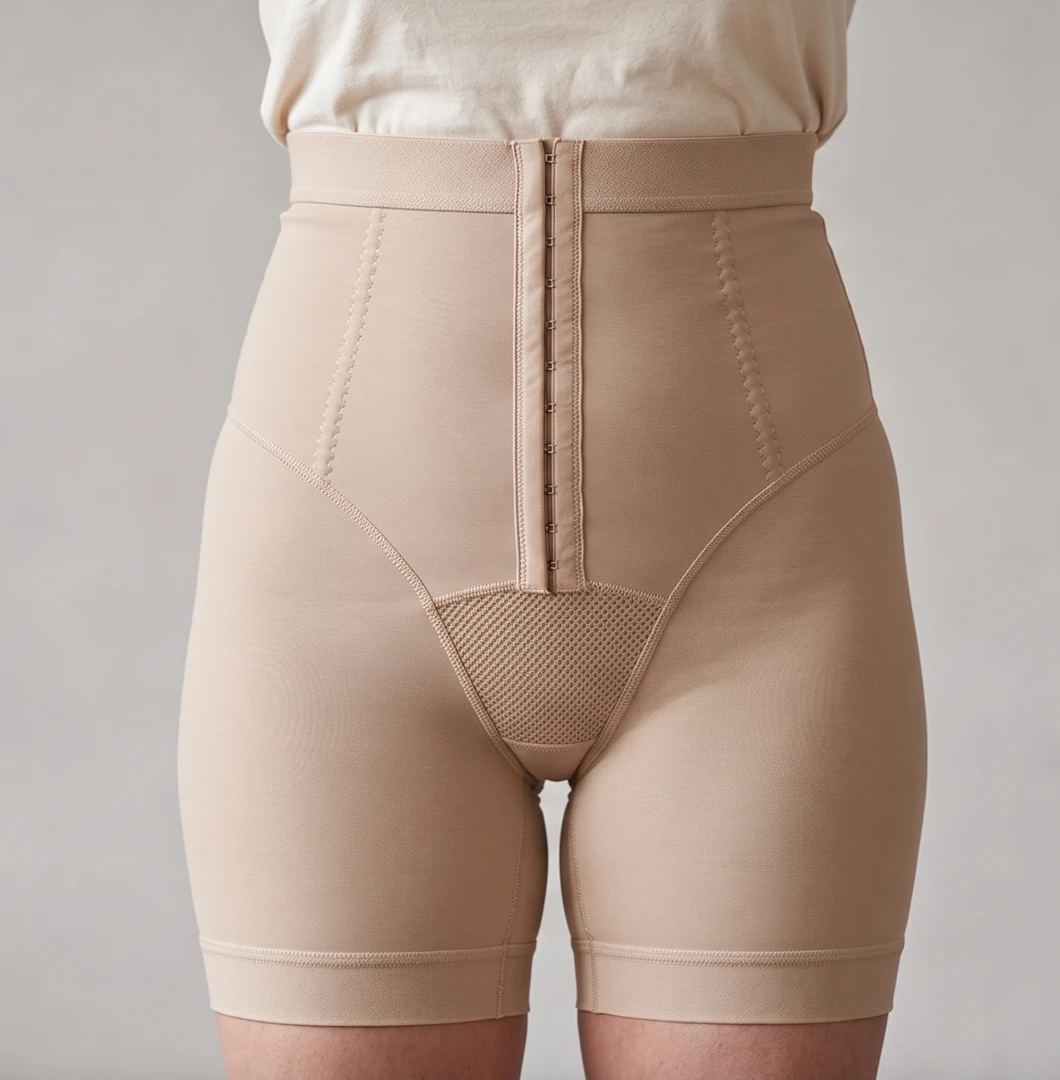
Mummy Makeover recovery timeline
Although recovery varies, the following provides a general guide to what patients can expect.
Recovery Period | What to Expect |
First 1–2 weeks | Swelling, bruising and discomfort are common. Rest and gentle walking are encouraged, while strenuous activities and heavy lifting should be avoided. Under instructions by Dr Pearlie, a therapist will commence Manual Lymphatic Drainage Massage early |
Weeks 3–4 | Swelling and discomfort generally begin to improve. Some patients can resume light daily activities or desk-based work, depending on their recovery. |
Weeks 4–6 | Patients may gradually increase their activity levels with their surgeon’s approval. Heavy lifting and strenuous exercise may still be restricted. |
Weeks 6–8 | Many patients can progressively return to more demanding activities, provided healing is satisfactory and their surgeon has cleared them. |
3–6 months and beyond | Residual swelling continues to settle, and body contours become more apparent. Surgical scars can take 12–18 months or longer to mature. |
Is a Mummy Makeover MediSave or insurance claimable in Singapore?
Mummy makeover procedures are generally considered elective cosmetic surgeries and are therefore not typically covered by health insurance or MediSave in Singapore.
However, certain procedures performed for medical rather than cosmetic reasons may qualify for insurance coverage or MediSave claims, subject to the specific procedure, medical indication and applicable eligibility criteria.
Patients should check with their insurer and surgical team before proceeding to understand which expenses, if any, may be claimable.
Book a personalised consultation
Every woman’s body changes differently after pregnancy, and there is no single approach to a mummy makeover. The most suitable combination of procedures depends on your concerns, anatomy, overall health and desired results.
At Pearl Plastic Surgery, Dr Pearlie Tan will assess your breast and body contours, discuss the available surgical options and explain what each procedure can realistically achieve. This includes whether combining procedures or staging them separately would be more appropriate for your needs.
Schedule a consultation to explore your options and develop a surgical plan tailored to you.
Frequently Asked Questions
When is the best time to consider a mummy makeover?
It is generally advisable to wait until your body has recovered from childbirth, you have completed breastfeeding and your weight has stabilised. For many women, this means waiting at least 6–12 months after delivery, although the appropriate timing depends on individual recovery and the procedures being considered.
Ideally, patients should also have completed their family, as future pregnancies can affect surgical results, particularly after a tummy tuck or abdominal muscle repair.
Can a mummy makeover be performed in one surgery?
Yes, certain procedures, such as a breast lift, tummy tuck and liposuction, can be combined into a single operation when medically appropriate. This allows patients to undergo one anaesthetic and a consolidated recovery period.
However, combining procedures also increases operating time and can increase surgical risks. The surgeon will assess whether a combined or staged approach is safer based on your health, the complexity of the procedures and the anticipated duration of surgery.
Can mummy makeover procedures be performed separately?
Yes. A mummy makeover does not necessarily require all procedures to be performed at once. Some patients choose to undergo breast surgery first, followed by abdominal or body contouring procedures at a later date.
Staging surgery may be recommended when multiple extensive corrections are needed or when a patient would benefit from shorter operations and separate recovery periods.
How long does it take to recover from a mummy makeover?
Most patients require several weeks for initial recovery, although the timeline depends on the procedures performed. Some patients can return to desk-based work within 2–4 weeks, while strenuous exercise and heavy lifting generally require a longer recovery period.
Swelling can take several months to resolve, and surgical scars continue to mature over 12–18 months or longer.
Will a mummy makeover leave scars?
Yes. Procedures such as breast lifts and tummy tucks require surgical incisions, which leave permanent scars. Their location and extent depend on the techniques used.
Surgeons generally plan incisions to make scars less conspicuous where possible. Although scars typically fade and soften over time, they do not disappear completely.
Can I get pregnant again after a mummy makeover?
Yes, a mummy makeover generally does not prevent future pregnancies. However, pregnancy can stretch the abdominal skin and muscles again and change breast volume or shape, potentially affecting the results of previous surgery.
For this reason, surgeons generally recommend completing childbearing before undergoing procedures such as a tummy tuck or abdominal muscle repair.
How much does a mummy makeover cost in Singapore?
The cost of a mummy makeover varies depending on the combination of procedures, surgical complexity, anaesthesia requirements and hospital or surgical facility fees.
Because each treatment plan is personalised, there is no single fixed price. A consultation allows the surgeon to assess the procedures required and provide a cost estimate based on the proposed surgical plan.